
























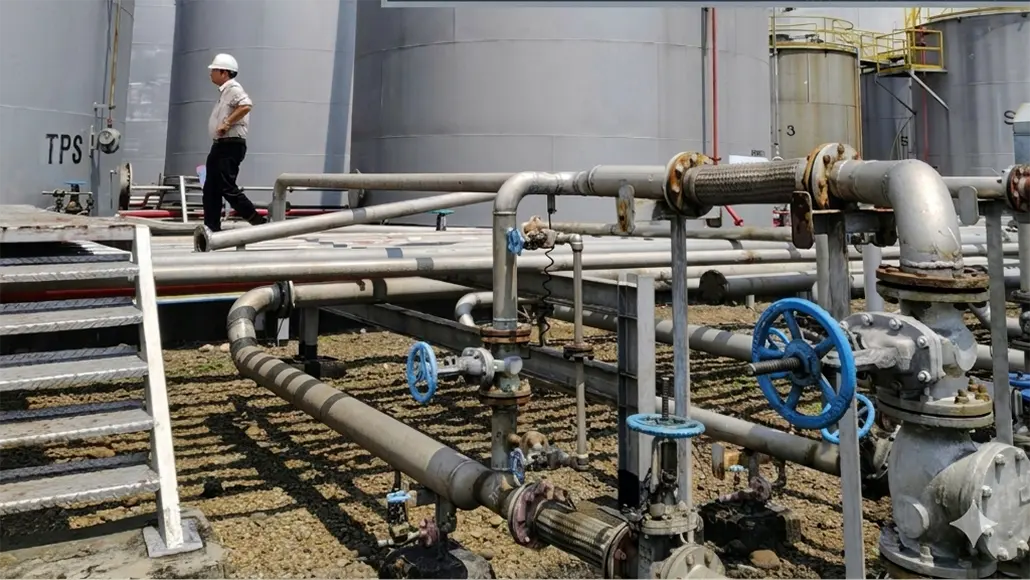

In the high-risk and high-pressure environment of the oil and gas industry, safety is not optional it is engineered into every system. One of the most critical components ensuring operational safety is the relief valve. These devices act as the final line of defense against overpressure, preventing catastrophic failures such as explosions, equipment damage, and environmental hazards.
Companies like Canbarco Industries, kunkle safety valve, and apollo relief valve play a vital role in supplying high-performance relief valves tailored for demanding industrial applications. This blog explores how relief valves function, their applications in oil and gas, relevant standards, and best practices for selection and maintenance.
What Are Relief Valves and Why Are They Critical?
A relief valve (also known as a pressure relief valve or safety valve) is designed to control system pressure by releasing excess fluid when pressure exceeds a preset limit. This ensures that pipelines, pressure vessels, and processing equipment remain within safe operating limits.
In oil and gas operations where systems frequently operate under extreme pressure and temperature conditions these valves are indispensable. Whether handling crude oil, natural gas, steam, or chemicals, relief valves prevent system failure by acting as a controlled escape route for excess pressure.
Key Applications in Oil & Gas
Relief valves are used across upstream, midstream, and downstream operations. Their applications vary depending on the process, fluid type, and pressure conditions.
1. Upstream (Exploration & Production)
In drilling rigs and wellheads, pressure fluctuations are common due to unpredictable reservoir conditions. Relief valves protect:
- Blowout preventers (BOPs)
- Wellhead equipment
- Drilling mud systems
2. Midstream (Transportation & Storage)
Pipelines and storage tanks transporting oil and gas across long distances require continuous pressure regulation. Relief valves help:
- Prevent pipeline rupture
- Manage thermal expansion in storage tanks
- Protect compressor stations
3. Downstream (Refining & Processing)
Refineries and petrochemical plants involve complex processes with high heat and pressure. Relief valves are critical in:
- Distillation columns
- Heat exchangers
- Reactors and separators
Manufacturers like kunkle safety valve offer valves suitable for steam, gas, air, and liquid applications, including extreme environments such as cryogenic and high-temperature systems.
Types of Relief Valves Used
Different applications require different valve designs. The most common types include:
Spring-Loaded Relief Valves
These are the most widely used valves in oil and gas. A spring mechanism determines the set pressure, and the valve opens when system pressure exceeds this threshold.
Pilot-Operated Relief Valves
Used in high-pressure systems, these valves provide more precise control and are ideal for large-scale industrial operations.
Balanced Bellows Valves
Designed for systems with backpressure, ensuring consistent operation regardless of downstream pressure variations.
Thermal Relief Valves
Used to handle pressure increases due to thermal expansion in trapped liquids.
Products from the Apollo relief valve include multi-purpose safety relief valves designed for steam, gas, and liquid systems with high reliability and durability.
Industry Standards and Compliance
Relief valves in oil and gas must comply with strict international standards to ensure safety and reliability. The most important standards include:
ASME (American Society of Mechanical Engineers)
- Section I: Power boilers
- Section VIII: Pressure vessels These standards define design, manufacturing, and testing requirements.
API (American Petroleum Institute)
- API 520: Sizing and selection
- API 521: Pressure-relieving systems
- API 526: Valve dimensions
ISO Standards
- ISO 4126: General requirements for safety valves
Compliance with these standards is mandatory in most countries and ensures that valves perform reliably under critical conditions.
Leading manufacturers like kunkle safety valves provide valves certified under ASME and other global standards, ensuring compatibility with international oil and gas projects.
Role of Canbarco Industries in Relief Valve Supply
Canbarco Industries is known for supplying high-quality industrial valves, including relief valves used in oil and gas applications. By offering trusted brands such as Kunkle and Apollo, Canbarco ensures:
- Reliable product sourcing
- Compliance with global standards
- Technical support for valve selection
Their portfolio supports industries requiring precision-engineered pressure control solutions.
Key Selection Criteria for Relief Valves
Choosing the right relief valve is critical for system safety and efficiency. Engineers must consider several factors:
1. Set Pressure
The valve must open at a pressure slightly above the system’s operating pressure but below the maximum allowable pressure.
2. Flow Capacity
The valve should be capable of releasing sufficient fluid to reduce pressure quickly and safely.
3. Fluid Type
Different materials and designs are required for gases, liquids, or corrosive fluids.
4. Temperature Range
Valves must withstand extreme temperatures, especially in refining and petrochemical processes.
5. Backpressure Conditions
In systems with backpressure, specialized designs such as bellows valves are required.
Relief valves from apollo relief valve and kunkle safety valve are engineered to handle a wide range of pressures and temperatures, making them suitable for diverse industrial environments.
Best Practices for Installation and Maintenance
Even the best relief valve will fail if not installed or maintained properly. Following best practices ensures long-term reliability.
Proper Installation
- Install valves vertically unless specified otherwise
- Ensure correct orientation and flow direction
- Avoid excessive piping stress
Regular Testing
- Periodic pressure testing ensures correct set pressure
- Leak testing helps detect early wear or damage
Preventive Maintenance
- Clean internal components regularly
- Replace worn seals and springs
- Inspect for corrosion or fouling
Documentation and Compliance
- Maintain records of inspections and certifications
- Ensure compliance with regulatory standards
Manufacturers like kunkle safety valve test and certify valves before delivery to ensure performance accuracy and reliability.
Common Challenges in Oil & Gas Applications
Despite their reliability, relief valves can face challenges in harsh environments:
- Valve chatter due to unstable flow conditions
- Corrosion from aggressive chemicals
- Fouling caused by deposits or debris
- Improper sizing leading to inefficient pressure relief
Addressing these challenges requires proper design, correct valve selection, and regular maintenance.
Future Trends in Relief Valve Technology
The oil and gas industry is evolving, and so are relief valve technologies. Key trends include:
- Smart valves with real-time monitoring
- Improved materials for corrosion resistance
- Enhanced designs to reduce emissions and leakage
- Integration with digital asset management systems
These innovations aim to improve safety, efficiency, and environmental compliance.
Conclusion
Relief valves are a cornerstone of safety in the oil and gas industry. From upstream drilling to downstream refining, they protect critical infrastructure and ensure smooth operations. Selecting the right valve, adhering to international standards, and following best practices are essential for maximizing performance and safety.
With trusted suppliers like Canbarco Industries and leading manufacturers such as knuckle safety valve and apollo relief valve, industries can rely on high-quality solutions designed to meet the toughest operational demands.
In a sector where safety is paramount, investing in the right relief valve system is not just a technical decision it’s a critical commitment to operational excellence and risk prevention.