
















Key Takeaways
- QR codes, NFC tags, and next-generation barcodes transform packaging into digital access points for content, services, and transparency.
- Augmented reality experiences overlay interactive content on physical packs, creating immersive storytelling and gamification.
- Variable data and digital print enable mass personalization, allowing each pack to carry unique messages, names, or artwork.
- Connected packaging provides brands with first-party data on consumer interactions, supporting more targeted marketing and product development.
- Successful interactive experiences deliver genuine value such as tutorials, authenticity verification, or rewards rather than novelty alone.
Packaging has long been a visual medium, but it is now evolving into a dynamic digital interface between brands and consumers. Through interactive connected packaging engagement strategies, brands are turning printed surfaces into portals for experiences, information, and services that extend far beyond the shelf or doorstep. This shift is fueled by advances in mobile technology, digital printing, and cloud connectivity, which together enable each pack to act as a personalized, measurable marketing channel.
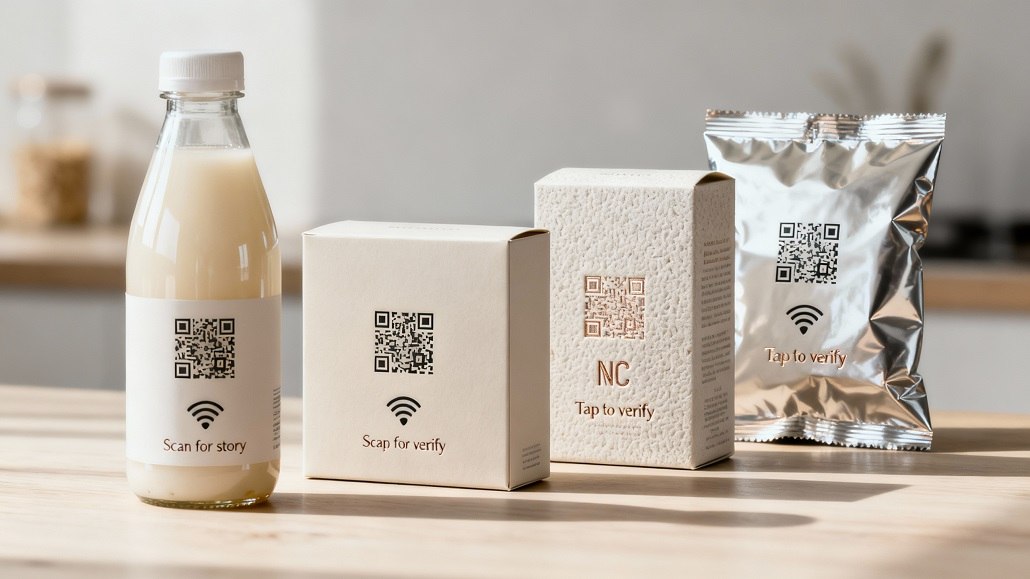
At the core of most connected packaging initiatives are scannable codes, particularly QR codes and their next‑generation 2D barcode counterparts. When consumers point their smartphone cameras at these codes, they are taken directly to landing pages, videos, promotions, or apps without needing to type a URL or download additional software. Brands use this capability to provide ingredient transparency, usage instructions, sustainability information, or exclusive content. For example, scanning a beverage label might reveal sourcing details, nutrition breakdowns, and recycling guidance, reinforcing trust and responsible positioning.
NFC tags and other short-range communication technologies add another layer of interactivity. Embedded discreetly under labels or within closures, these tags can trigger interactions simply by bringing a phone close to the pack, without needing visible codes. This can be particularly appealing for premium products where overt QR codes might be seen as visually intrusive. NFC-enabled packaging can support functions such as product authentication, loyalty enrollment, or access to member-only experiences, all while maintaining a clean visual design.
Augmented reality (AR) elevates connected packaging from simple information delivery to immersive experiences. When consumers scan a pack with an AR-enabled app or web-based AR experience, 3D animations, virtual objects, or overlays appear on their screen aligned with the physical pack. This can turn a cereal box into a 3D game interface, a cosmetics pack into a virtual try‑on experience, or a spirits bottle into an animated storytelling canvas showing brand heritage and cocktail tutorials. These experiences capture attention longer than static graphics, creating memorable interactions that can be shared on social media.
Digital print plays a critical enabling role by allowing each pack to be uniquely identifiable and visually adapted for interactive use. Variable data printing can apply different QR codes, images, or call‑to‑action messages on every pack in a run, supporting localized campaigns, A/B testing of creative elements, and individualized experiences. For instance, code sets may link to different experiences depending on region, retailer, or promotional period, all managed through back‑end content platforms. Personalization extends to printing customer names, serialized artwork, or limited-edition designs, making the pack itself feel like a bespoke object.
Beyond entertainment, connected packaging is increasingly used for transparency and trust-building. Consumers can scan codes to access certificates, test results, or detailed supply chain information that demonstrates product authenticity and compliance. In sectors like food, beverages, and pharmaceuticals, this is particularly valuable: QR-linked traceability systems can show origin, batch details, and handling conditions, reassuring customers and differentiating brands that invest in visibility. Anti-counterfeiting measures also benefit, as serialized codes or NFC interactions can confirm whether a product has previously been scanned or if it appears in unexpected locations.
Gamification and rewards are frequently layered on top of connected packaging experiences. Brands create campaigns where scanning a pack unlocks loyalty points, entry into contests, or collectible digital assets. This turns everyday interactions into engagement opportunities, encouraging repeat purchases and continued participation. By tracking which packs are scanned, where, and when, brands gather first-party data on consumption patterns and engagement intensity without relying solely on third-party platforms. This data, in turn, can inform product development, merchandising tactics, and future campaign design.
To be effective, interactive connected packaging engagement must offer tangible value rather than superficial novelty. Consumers quickly lose interest in codes that lead to generic homepages or one-off gimmicks. Leading implementations focus on solving real problems or enhancing utility for example, offering dosage calculators for healthcare products, step‑by‑step recipes for food items, or configuration guides for electronics. Other high-value experiences include refill reminders, subscription management portals, and how‑to content that helps customers get more from their purchases.
Design integration is crucial. Codes and interaction cues need to be visible enough to invite scanning without overwhelming or cluttering the design. Clear calls to action such as “Scan for recipe ideas” or “Tap to verify authenticity” help consumers understand what they will gain from engaging. In some cases, designers incorporate codes into illustrations or patterns in a way that feels organic to the brand, further enhancing visual appeal. Testing different messaging and code placement through digital printing enables rapid optimization based on real-world engagement data.
From an operational standpoint, connected packaging requires coordination between packaging teams, marketing, IT, and data privacy functions. Content management platforms must be able to serve localized, device‑appropriate experiences and adapt over time without requiring reprinting of codes. Data privacy compliance, including clear communication of what data is collected and how it is used, is non‑negotiable, particularly in regions with strict regulations. Security considerations also come into play, such as protecting codes from being hijacked or cloned in ways that redirect consumers to malicious content.
As technologies evolve, the spectrum of interactive features will expand. Digital watermarks patterns invisible to the naked eye but recognizable by cameras can enable interaction without overt codes, keeping designs clean. Integration with IoT sensors can support context-aware interactions, such as different messages after the pack has been opened or once a product approaches its best‑before date. Voice assistants may also come into play, with packaging interactions triggering audio instructions or voice-guided experiences.
Ultimately, interactive and connected packaging is about extending the brand relationship into the everyday lives of consumers. When designed thoughtfully, each interaction reinforces brand values, provides useful information or entertainment, and creates a feedback loop of data and insight. In a marketing landscape where attention is fragmented and traditional channels face saturation, connected packaging offers a rare opportunity: a direct, owned touchpoint that reaches consumers at the precise moment they use the product. Brands that learn to harness this medium effectively will build deeper, more resilient engagement in an increasingly digital marketplace.