






















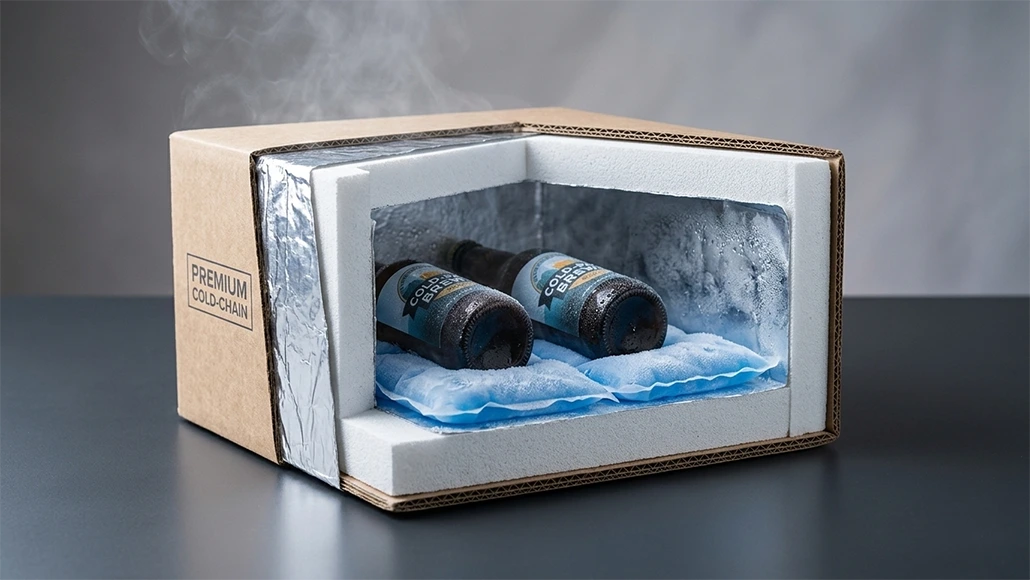

For many of the world’s most popular beverages, from premium craft beers and cold-brew coffees to unpasteurized juices and probiotic drinks, temperature is the ultimate arbiter of quality. The maintenance of a consistent thermal environment is not just a matter of taste; it is a critical safety requirement. Cold chain packaging solutions for drinks have evolved into a sophisticated discipline that combines advanced material science, real-time data tracking, and strategic logistics. As global trade routes expand and consumer demand for “fresh-chilled” products surges, the ability to manage the cold chain with precision and efficiency has become a defining characteristic of successful beverage brands.
Engineering Thermal Stability in a Dynamic Environment
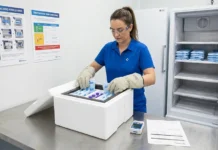
The primary objective of cold chain packaging solutions for drinks is to create a “micro-climate” that remains stable regardless of the external conditions. This requires a multi-layered approach to insulation and thermal management. Modern solutions utilize high-performance materials like vacuum-insulated panels (VIPs), expanded polystyrene (EPS), and specialized reflective films that minimize heat transfer through conduction, convection, and radiation. These materials are designed to be lightweight and durable, ensuring that they can withstand the rigors of international shipping while providing a high “R-value” (thermal resistance).
In addition to insulation, the use of Phase Change Materials (PCMs) is a significant advancement. Unlike traditional ice packs, which melt and lose their effectiveness, PCMs are designed to absorb and release thermal energy at specific temperatures. This allows for much longer and more precise temperature control, ensuring that a beverage remains within its “sweet spot” (often between 2°C and 8°C) for several days. By tailoring the PCM to the specific needs of the product, manufacturers can optimize their cold chain packaging solutions for drinks for different climates and shipping durations, reducing the risk of temperature excursions.
Sustainability and the Future of Insulated Materials
One of the greatest challenges in cold chain logistics is the environmental impact of traditional insulation materials. EPS, for instance, is notoriously difficult to recycle and often ends up as long-term waste. To address this, the industry is moving toward sustainable cold chain packaging solutions for drinks. This includes the development of compostable insulation made from agricultural byproducts like mushrooms, wool, or recycled paper. These bio-based alternatives provide comparable thermal performance to plastic foams while being fully biodegradable at the end of their life.
Furthermore, the rise of reusable “smart” shippers is transforming the economic and ecological landscape of the cold chain. These durable, high-tech containers are designed to be used hundreds of times, with a “closed-loop” logistics system that ensures they are returned, cleaned, and refilled. This move away from single-use packaging reduces waste and lowers the long-term cost per shipment. Sustainable cold chain packaging solutions for drinks are thus not just an environmental choice; they are a strategic investment in a more efficient and responsible future for the beverage industry.
The Integration of IoT and Real-Time Monitoring
A cold chain is only as strong as its weakest link, and in the past, identifying that link was often impossible until the product reached the consumer. Today, cold chain packaging solutions for drinks are increasingly “connected.” By embedding IoT sensors and data loggers directly into the packaging, brands can monitor the temperature, humidity, and even the vibration and orientation of their products in real-time. This data is transmitted to the cloud, providing an “unbroken” record of the product’s journey from the factory to the shelf.
This level of transparency is transformative for quality assurance and compliance. If a temperature excursion occurs during transport, the system can automatically flag the affected batch, allowing for immediate corrective action. This prevents the distribution of compromised products and protects the brand from potential health risks and reputational damage. Furthermore, the data gathered over thousands of shipments can be analyzed to identify recurring bottlenecks or high-risk routes, allowing logistics managers to optimize their cold chain packaging solutions for drinks for maximum reliability and efficiency.
Global Logistics and the Challenge of the “Last Mile”
As beverage brands look to serve a truly global audience, the challenges of international cold chain logistics become more complex. Different regions have different infrastructure capabilities, and the “last mile” of delivery from the warehouse to the consumer’s doorstep is often where the greatest risks occur. Cold chain packaging solutions for drinks are now being designed with this “urban logistics” challenge in mind. This includes the use of smaller, more portable insulated bags and “smart lockers” that maintain a chilled environment until the customer is ready to collect their purchase.
The rise of e-commerce and direct-to-consumer (DTC) models has further accelerated this trend. When a consumer orders a high-end wine or a specialty juice online, they expect it to arrive in pristine condition. Advanced cold chain packaging solutions for drinks ensure that this expectation is met, even in the absence of a traditional refrigerated delivery truck. By providing a self-contained chilled environment, these solutions enable a level of convenience and accessibility that is driving the growth of the premium beverage sector.
The Strategic Value of an Unbroken Cold Chain
Finally, the maintenance of an unbroken cold chain is a powerful statement of brand quality. In many categories, “chilled” is synonymous with “fresh” and “healthy.” By investing in the best cold chain packaging solutions for drinks, brands are reinforcing their commitment to the consumer and their pride in their product. This trust is the most valuable asset a company can have, and it is built one perfectly-chilled bottle at a time.
In conclusion, the evolution of cold chain packaging is a testament to the industry’s ability to solve complex problems through innovation and collaboration. By combining the latest in material science, digital technology, and logistics strategy, cold chain packaging solutions for drinks are ensuring that the world’s most delicate and delicious beverages can be enjoyed by everyone, everywhere. As we look to a future of more sustainable and connected distribution, the “cool” factor in beverage packaging will only continue to grow in importance.