
















Key Takeaways
- Digital printing eliminates the need for expensive plates and screens, enabling true short-run production capabilities
- Advanced printhead technology and inkjet systems deliver superior precision and print quality across various substrate types
- Workflow automation reduces production setup time and minimizes human error throughout the printing process
- Variable data printing enables unprecedented levels of personalization for food, beverage, and e-commerce applications
- Water-based inks and eco-friendly materials align digital printing with sustainability objectives
- High-speed digital presses now compete with conventional methods on cost-per-unit for medium-volume runs
The packaging industry stands at an inflection point where digital printing innovations are transitioning from specialized niche applications to mainstream production technology. Over the past decade, digital printing has emerged as the fastest-growing segment within the broader printing sector, with market analysts projecting continued double-digit annual growth through 2030. This remarkable expansion reflects a fundamental shift in how manufacturers approach packaging production, driven by technological breakthroughs in inkjet systems, printhead precision, and workflow automation.
Unlike traditional flexographic, offset, and rotogravure printing methods that require expensive plates, screens, and lengthy setup procedures, digital press technology eliminates these barriers to entry. This architectural difference fundamentally changes the economics of packaging production, particularly for brands seeking flexibility, speed, and customization. The implications extend far beyond simple cost reduction they represent a comprehensive restructuring of production workflows, supply chain operations, and business models across food and beverage, e-commerce, FMCG, and pharmaceutical packaging sectors.
Understanding Advanced Inkjet Systems and Printhead Technology
At the heart of digital printing innovation lies sophisticated inkjet technology that has evolved dramatically from its early consumer applications. Contemporary industrial inkjet printheads incorporate piezoelectric actuators, advanced flow-channel designs, and ceramic components that deliver reliability sufficient for demanding production environments. Modern printheads can achieve firing frequencies exceeding 30,000 droplets per second per nozzle, with arrays containing thousands of individual nozzles operating in perfect synchronization.
The precision demanded in printhead design reflects the exacting standards of packaging applications. Each nozzle must deposit ink with consistency measured in microliters, ensuring color accuracy and image fidelity across millions of production cycles. Manufacturers like Kyocera, Fujifilm Dimatix, and Konica Minolta have invested heavily in developing thermal piezo and thin-film piezo technologies that balance speed, resolution, and reliability. These advancements enable printing speeds that approach or match conventional technologies while maintaining superior image quality and flexibility.
Printhead precision encompasses not merely the accuracy of individual droplets but also the geometric alignment of multi-color printhead arrays. Modern digital printing systems employ sophisticated calibration protocols and real-time monitoring to maintain color registration within fractions of a millimeter across production runs. This precision directly translates to superior brand consistency and visual impact on finished packaging, critical factors for retail shelf presence and consumer perception.
Workflow Automation and Production Efficiency
Workflow automation in digital printing extends beyond the printing operation itself to encompass prepress processing, color management, and finishing operations. Cloud-based platforms now orchestrate entire production workflows, automatically optimizing print parameters based on substrate characteristics, ink formulations, and desired output specifications. These systems dramatically reduce the manual intervention historically required in conventional printing environments.
The integration of digital workflow systems with production equipment enables just-in-time manufacturing principles. Designers can finalize packaging graphics mere hours before production, eliminating the inventory waste and obsolescence risks inherent in traditional long-run production models. For food and beverage companies operating in rapidly evolving markets with seasonal promotions and limited-edition releases, this capability represents a competitive advantage with measurable business impact.
Prepress automation particularly benefits from recent advances in artificial intelligence and machine learning. Modern systems can automatically prepare print files, optimize halftone patterns, profile colors across substrate variations, and predict print quality outcomes before production begins. This predictive capability reduces waste and setup time while ensuring consistent results across diverse substrate types and material specifications.
Variable Data Printing and Personalization Opportunities
Variable data printing capabilities enabled by digital technology unlock entirely new packaging possibilities for progressive brands. Each printed unit can carry unique data whether individual customer names, serialized tracking numbers, personalized QR codes, or location-specific messaging. This functionality transforms packaging from static communication vehicles into dynamic engagement platforms that enhance customer connection and support supply chain transparency.
E-commerce platforms particularly benefit from variable data capabilities. Each shipment can include personalized thank-you messages, customized product recommendations, or region-specific promotional content. This level of individualization, once impossible at scale, now represents standard practice among leading direct-to-consumer brands. The manufacturing flexibility enables rapid iteration and testing of messaging variants without incurring the plate costs or production delays associated with conventional printing.
Personalized packaging solutions extend to complex applications including pharmaceutical serialization, cosmetic brand differentiation, and food product traceability. Digital printing enables manufacturers to apply unique identifiers, batch numbers, expiry dates, and supply chain information to individual packages with complete accuracy. This functionality addresses regulatory requirements while simultaneously enabling anti-counterfeiting measures and enhanced product authentication capabilities.
Substrate Compatibility and Material Innovation
Modern digital press technology accommodates an expanding range of substrate types and material specifications. Advanced printhead designs function reliably across uncoated papers, coated stocks, films, laminates, and specialized materials. Ink formulations have evolved to address the absorption characteristics, porosity, and surface properties of each substrate category, enabling high-quality output across diverse material selections.
This substrate flexibility drives innovation in packaging material selection. Manufacturers now evaluate digital printing compatibility as a design criterion rather than an afterthought. Bio-based plastics, recycled content papers, and compostable films can be optimized specifically for digital printing performance. The resulting material-process combinations often deliver superior environmental profiles compared to conventional printing approaches requiring aggressive drying or curing chemistry.
Production Economics and Cost Structure
The economics of digital printing packaging have shifted dramatically as equipment manufacturers have invested in higher-speed systems and manufacturers have scaled production volumes. Current generation digital presses achieve production speeds ranging from 50 to 200 meters per minute depending on resolution requirements and technology platform. For many packaging applications, these speeds now approach or match conventional technologies while providing superior flexibility and dramatically lower setup costs.
The cost-per-unit economics vary significantly based on production volume, substrate selection, and complexity requirements. Digital printing typically demonstrates advantageous economics for short-to-medium runs ranging from 500 to 50,000 units. At these volumes, the elimination of plate and screen costs, rapid setup, and minimal waste create compelling financial advantages. For higher volumes, hybrid approaches combining digital customization with conventional base production offer balanced cost optimization and flexibility benefits.
Supply chain optimization represents an underappreciated advantage of digital printing adoption. Manufacturers can reduce inventory complexity by holding stock of plain substrates rather than pre-printed materials. This approach minimizes obsolescence risk, improves cash flow, and accommodates rapid design changes or market adjustments. For global brands operating across multiple markets, this capability enables localized packaging production with region-specific languages, regulatory information, and marketing messaging without maintaining separate inventory across distribution networks.
Sector-Specific Applications and Growth Drivers
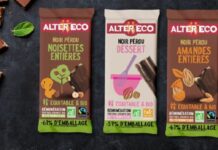
The food and beverage industry leads digital printing adoption, particularly among premium and specialty brands. Digital printing enables rapid packaging updates reflecting seasonal ingredients, limited-edition releases, and market-responsive promotions. More than seventy percent of new beverage and snack businesses employ digital printing packaging to bring products to market quickly while minimizing inventory risk and production commitments.
E-commerce packaging represents the fastest-growing digital printing application segment. The heterogeneous nature of online orders with individual shipments often containing different products makes conventional printing economics unfavorable. Digital printing’s ability to customize each box with recipient names, personalized messaging, and thank-you content enhances unboxing experiences while supporting brand differentiation in crowded digital marketplaces. The ability to rapidly produce limited quantities of premium packaging for special promotions or gift offerings provides competitive advantages that resonate with value-conscious consumers.
FMCG companies leverage short-run packaging customization to respond to competitive pressures and consumer trends with unprecedented agility. Product launches, regional marketing campaigns, and retail-specific packaging variations can be implemented within days rather than months. This operational flexibility enables brands to test new concepts, validate market response, and scale successful initiatives with minimal financial risk or inventory burden.
Integration with Finishing and Embellishment Capabilities
Contemporary digital printing systems increasingly incorporate finishing and embellishment technologies that expand creative possibilities and brand impact. In-line lamination, embossing, die-cutting, and varnishing capabilities transform basic printed output into premium, tactilely distinctive packaging solutions. These integrated capabilities reduce handling, eliminate intermediate storage, and improve production efficiency compared to sequential manual operations.
Specialty finishing techniques—including spot UV coating, metallic foil overlay, textured printing, and raised ink effects create visual and tactile brand differentiation. These enhancements enable premium positioning and justify price premiums for specialty products. The integration of finishing processes within unified production workflows minimizes complexity, reduces time-to-market for new products, and improves consistency compared to manual application methods.
Environmental Advantages and Sustainability Alignment
Digital printing’s inherent sustainability advantages increasingly influence purchasing decisions and competitive positioning. The absence of plates and screens eliminates associated waste streams and chemical processing. The precision of digital deposition means minimal overproduction, with manufacturers producing exactly the quantities required without surplus inventory destined for disposal.
Water-based and eco-friendly ink formulations deliver environmental performance superior to traditional petroleum-based inks. Reduced volatile organic compound emissions protect worker health, improve workplace air quality, and minimize regulatory compliance complexity. Manufacturers can now employ inks derived from renewable resources soy, vegetable oils, and plant-based resins without sacrificing color vibrancy or print durability.
The flexibility to accommodate diverse substrate materials enables environmental optimization across entire packaging systems. Recyclable substrates, compostable films, and high-recycled-content papers can be selected without conventional printing plate constraints. This material selection flexibility aligns packaging production with corporate sustainability commitments and evolving regulatory requirements governing packaging composition and end-of-life recyclability.
Future Outlook and Continued Innovation
The digital printing packaging market continues accelerating innovation across multiple technology dimensions. Artificial intelligence integration enables real-time quality optimization, predictive maintenance scheduling, and proactive defect prevention. Machine learning algorithms analyze production data to continuously improve color accuracy, register precision, and substrate handling characteristics.
Three-dimensional printing capabilities remain emerging frontiers, enabling structural complexity and tactile effects impossible with conventional approaches. These advanced capabilities address premium packaging segments where visual and tactile differentiation drives purchasing behavior and brand loyalty. As three-dimensional printing technology matures and achieves production-scale viability, entirely new market opportunities will emerge for differentiated packaging solutions.
The convergence of digital printing with connected systems and IoT integration enables unprecedented production visibility and optimization. Real-time monitoring of equipment performance, substrate consumption, and quality metrics provides data-driven insights for continuous improvement. Predictive analytics anticipate maintenance requirements, preventing equipment failures and production disruptions.
Conclusion
Digital printing represents far more than incremental technological advancement it embodies a fundamental reconceptualization of packaging production economics, supply chain organization, and brand engagement possibilities. As technological capabilities continue expanding while costs decline, digital printing will transition from an alternative approach to a dominant production methodology across numerous packaging applications and market segments. Manufacturers who embrace these digital printing innovations today position themselves advantageously for the rapidly evolving packaging landscape where agility, customization, and sustainability increasingly determine competitive success.