










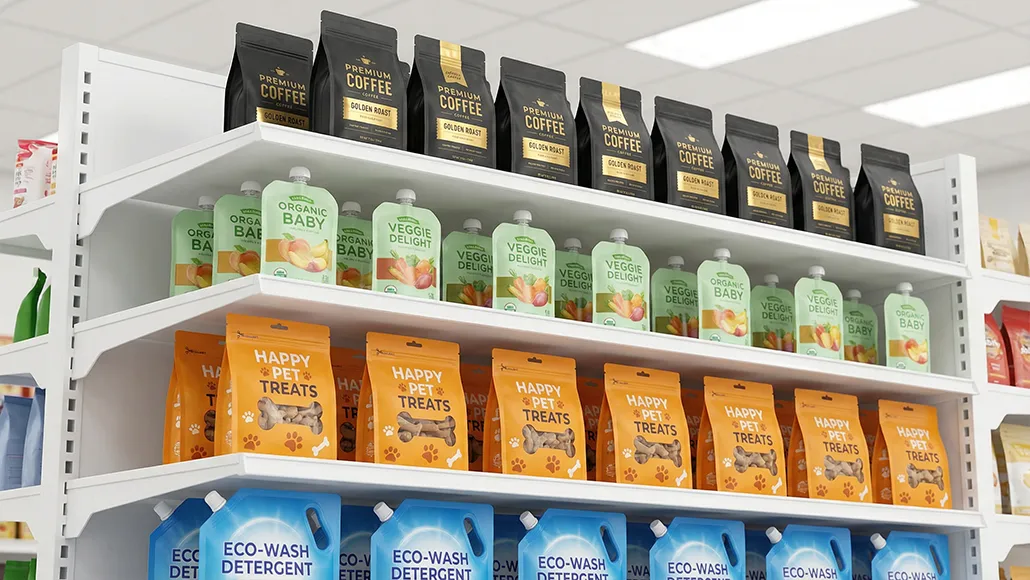

Key Takeaways:
- Flexible packaging solutions are fundamentally altering the retail landscape by replacing traditional rigid containers with lightweight and durable alternatives that significantly reduce transportation costs. This transition to flexible formats, such as pouches and films, allows brands to maximize shelf space and reduce their overall carbon footprint, making sustainable flexible packaging a cornerstone of modern consumer goods strategies.
- The focus on packaging innovation within the flexible sector is driving the development of advanced barrier materials that provide superior protection against moisture, oxygen, and light. These high-performance flexible packaging solutions not only extend the shelf life of perishable goods but also offer enhanced consumer convenience through features like resealable zippers and easy-pour spouts, ensuring that products remain fresh and accessible for longer.
The global marketplace for consumer goods is undergoing a profound structural shift, and at the heart of this change is the way products are contained and delivered. For decades, the industry was dominated by rigid formats glass jars, metal cans, and thick plastic bottles. However, a new era has arrived, marked by the rise of flexible packaging solutions. These innovative formats, which include pouches, bags, liners, and wraps, are made from versatile materials that can easily change shape. This transition is not just a matter of aesthetics; it is a calculated response to the urgent need for greater efficiency, improved sustainability, and enhanced consumer convenience in an increasingly mobile and environmentally conscious world.
The Strategic Shift Toward Lightweight Packaging
One of the most compelling reasons for the rapid adoption of flexible packaging solutions is the dramatic reduction in material weight. Lightweight packaging is a fundamental principle of modern logistics. A traditional glass jar or metal can often weighs significantly more than the product it contains. In contrast, a flexible pouch might represent only a small fraction of the total weight of the finished item. This difference has a cascading effect throughout the entire supply chain. By reducing the mass of the package, companies can fit more products into a single shipping container, leading to a substantial decrease in fuel consumption and transportation costs.
Improving Space Efficiency and Retail Density
Beyond the weight savings, flexible packaging solutions offer remarkable space efficiency. Rigid containers, even when empty, occupy a fixed volume. Flexible formats, however, can be shipped flat or on rolls to the manufacturer, saving vast amounts of warehouse space. On the retail shelf, pouches and bags can be “right-sized” to the product, allowing for a higher density of goods in a smaller footprint. This “shelf-space optimization” is a vital part of consumer goods packaging innovation, as it allows retailers to offer a wider variety of products to their customers while reducing the overall cost of inventory management and display.
Durability Without the Bulk: The New Standard
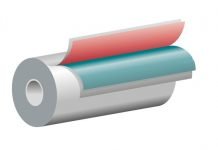
A common misconception is that lightweight packaging is fragile. On the contrary, modern flexible packaging solutions are engineered to be incredibly tough. Through the use of advanced multi-layer films, manufacturers can create durable packaging that is resistant to punctures, tears, and bursts. These films are often thinner than a human hair but possess a tensile strength that rivals much thicker rigid plastics. This durability is essential for the rigors of e-commerce and global shipping, ensuring that the product reaches the consumer in perfect condition without the need for excessive secondary protective packaging.
The Environmental Imperative: Sustainable Flexible Packaging
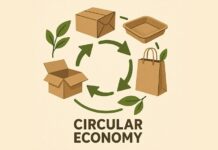
As the global community grapples with the plastic waste crisis, the demand for sustainable flexible packaging has become a primary driver of innovation. While flexible formats have historically been criticized for being difficult to recycle due to their multi-material construction, the industry is making massive strides in solving these challenges. We are now seeing the move toward mono-material pouches made from a single type of polymer that are fully compatible with existing recycling streams. This transition is a critical step in creating a circular economy for consumer goods packaging.
Reducing Carbon Footprint Through Resource Efficiency
Sustainability in packaging is not just about what happens at the end of a product’s life; it is also about the resources consumed during production. Flexible packaging solutions require significantly less energy and water to manufacture than glass or metal. Furthermore, the reduction in transportation emissions due to lightweighting is a major win for the environment. By choosing sustainable flexible packaging, brands can drastically lower their overall carbon footprint, a fact that is increasingly being communicated to consumers through transparent carbon-labeling schemes.
Biodegradable and Bio-Based Innovations
The next frontier for the industry is the development of fully compostable and bio-based flexible packaging solutions. These materials, derived from renewable resources like wood pulp, seaweed, or agricultural waste, are designed to break down naturally in industrial or home composting environments. This packaging innovation ensures that even if a package escapes the recycling loop, it will not persist in the environment for centuries. While still a developing segment, these eco-friendly options are gaining traction among premium and health-focused brands, setting a new standard for what it means to be a responsible consumer goods company.
Enhancing Product Protection and Shelf Life
The primary function of any package is to protect its contents, and in this regard, flexible packaging solutions are excelling. Modern flexible materials are “high-barrier” films, meticulously engineered to provide a shield against the three main enemies of freshness: moisture, oxygen, and UV light. By tailoring the barrier properties of the film to the specific needs of the product whether it’s coffee, snack foods, or medical devices manufacturers can ensure that the items remain in peak condition for significantly longer than in traditional containers.
Active and Intelligent Flexible Systems
Packaging innovation is taking protection a step further with the introduction of “active” flexible packaging solutions. These systems incorporate elements like oxygen scavengers or moisture absorbers directly into the film layers, actively working to maintain the internal environment of the pouch. Some intelligent systems even feature indicators that change color if the product has been exposed to improper temperatures or if the seal has been compromised. This level of technology-driven protection is a hallmark of the modern consumer goods industry, providing consumers with a visible guarantee of safety and quality.
Resealability and Consumer Convenience
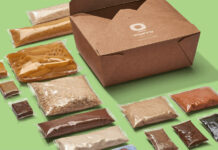
In addition to protection, flexible packaging solutions are designed with the end-user in mind. Features like “press-to-close” zippers, sliders, and “easy-tear” notches have become standard, allowing consumers to open the package without tools and reseal it to maintain freshness. This convenience is a major factor in brand loyalty, particularly in the food and household goods sectors. For the on-the-go consumer, lightweight and flexible formats are much easier to carry, store, and dispose of, making them the preferred choice for a modern, fast-paced lifestyle.
The Aesthetic and Marketing Potential of Flexible Formats
The visual appeal of flexible packaging solutions is another area where they outshine rigid alternatives. Modern printing technologies, such as high-definition flexography and digital printing, allow for stunning, edge-to-edge graphics on pouches and films. The entire surface of the package becomes a canvas for brand storytelling, with vibrant colors and intricate details that capture the consumer’s eye. This 360-degree branding capability is a vital tool for differentiation in a crowded market, allowing products to project a premium and modern image.
Versatility in Shape and Design
Flexible materials allow for a level of structural creativity that is impossible with rigid containers. We are seeing the rise of “stand-up pouches” with unique gussets and “shaped pouches” that mimic the silhouette of the product inside. This packaging innovation adds an element of “theater” to the retail experience, making the product more engaging for the consumer. Whether it’s a spout-equipped pouch for liquid detergent or a vacuum-sealed bag for artisan coffee, the versatility of flexible packaging solutions ensures that the format is perfectly aligned with both the product’s function and the brand’s identity.
Transparency and Consumer Engagement
Many flexible packaging solutions now incorporate “windows” or transparent sections that allow the consumer to see the actual product inside. This transparency builds trust, as the buyer can verify the quality and appearance of the item before making a purchase. Furthermore, the integration of digital tools like QR codes on flexible formats allows brands to connect with their customers through recipe suggestions, loyalty programs, and sustainability data. By merging the physical package with digital content, flexible packaging solutions are turning a simple container into a platform for ongoing consumer engagement.
Conclusion: The Flexible Future of Global Commerce
The rise of flexible packaging solutions is more than just a trend; it is a fundamental reimagining of how we package the world’s goods. By prioritizing lightweight packaging, resource efficiency, and advanced protection, the industry is addressing the most pressing challenges of our time. As material science continues to advance, we can expect to see even more sophisticated, sustainable, and consumer-friendly formats emerge. The rigid containers of the past are gradually making way for a future that is light, durable, and infinitely adaptable. For brands, the message is clear: the path to success in the modern era is paved with the innovation and flexibility that only these advanced packaging solutions can provide.