























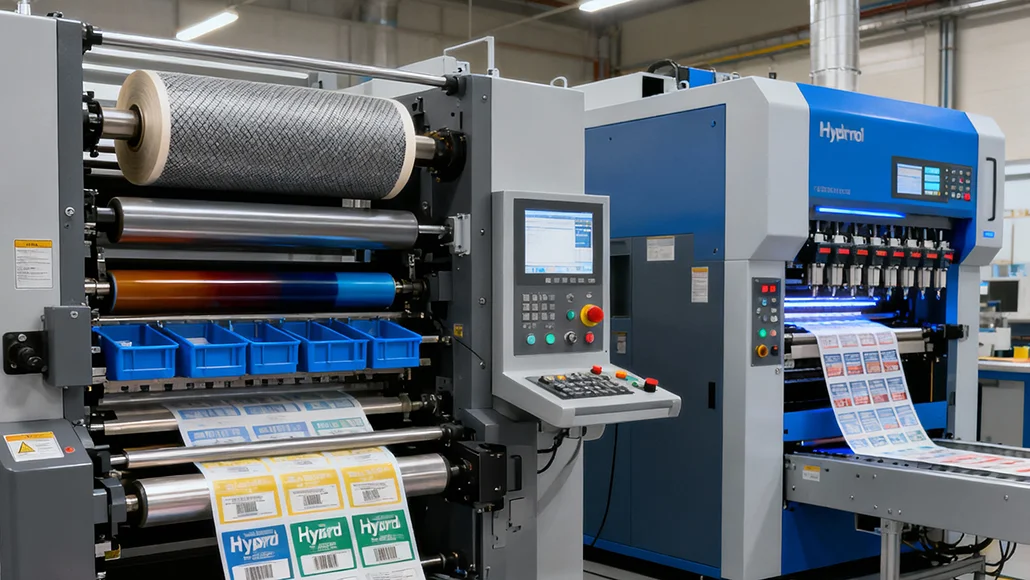

The convergence of flexographic and digital printing technologies has created unprecedented opportunities for label converters to deliver enhanced flexibility, superior quality, and cost-effective solutions across diverse market segments. Hybrid printing solutions represent the evolution of label production capabilities, combining the strengths of both printing methodologies while mitigating their individual limitations.
Understanding Hybrid Printing Technology
Hybrid printing systems integrate flexographic and digital printing units within a single production platform, enabling converters to leverage the unique advantages of each technology throughout the production process. This integration allows for the simultaneous application of different printing methods, creating possibilities that neither technology could achieve independently.
The fundamental principle behind hybrid printing solutions involves strategic allocation of different printing tasks to the most appropriate technology. Flexographic stations excel at solid color coverage, spot colors, and specialty finishes, while digital printing units provide exceptional capabilities for variable data, short runs, and complex graphics with multiple color variations. This complementary approach optimizes production efficiency while expanding creative possibilities for label designers and brand managers.
Modern hybrid systems incorporate sophisticated workflow management software that automatically determines the optimal allocation of printing tasks based on design requirements, quantity specifications, and quality parameters. These intelligent systems analyze job characteristics and automatically configure the printing sequence to minimize setup time, reduce material waste, and maximize production throughput.
Technical Integration and Equipment Design
The engineering challenges associated with integrating flexographic and digital printing technologies within a single platform require innovative solutions for substrate handling, color management, and quality control. Advanced hybrid systems feature precision tension control mechanisms that ensure consistent substrate behavior across both printing technologies, preventing registration issues and maintaining print quality standards.
Web handling systems in hybrid configurations must accommodate the different requirements of flexographic and digital printing processes. Flexographic printing typically operates at higher web tensions and speeds, while digital printing requires more controlled substrate movement and environmental conditions. Successful hybrid systems incorporate adaptive tension control and environmental management capabilities that optimize conditions for each printing technology.
Color management represents another critical aspect of hybrid printing solutions implementation. The integration of different printing technologies requires sophisticated color matching algorithms that ensure consistency between flexographic and digital printed elements. Advanced spectrophotometric monitoring systems continuously evaluate color accuracy and automatically adjust both printing processes to maintain consistent color reproduction throughout production runs.
Production Flexibility and Market Advantages
Hybrid printing solutions provide unprecedented flexibility in production planning and market responsiveness. Converters can efficiently produce short-run customized labels alongside longer runs of standard products without the typical setup penalties associated with traditional printing methods. This capability enables rapid response to market demands while maintaining cost-effective production across varying volume requirements.
The ability to incorporate variable data printing within traditional label formats creates new opportunities for brand differentiation and consumer engagement. Products can feature unique serial numbers, promotional codes, or personalized messaging while maintaining consistent brand elements produced through flexographic printing. This combination appeals to brands seeking enhanced traceability and consumer interaction capabilities.
Hybrid systems excel in applications requiring multiple embellishments and finishing techniques. Flexographic stations can apply specialty inks, foils, and varnishes while digital units handle variable graphics and text elements. The integration of these capabilities within a single pass reduces handling requirements and minimizes the potential for damage or contamination during production.
Economic Considerations and Return on Investment
The economic benefits of hybrid printing solutions extend beyond simple production cost reductions to encompass broader operational and strategic advantages. Initial capital investments in hybrid systems are typically higher than single-technology solutions, but the expanded capabilities and improved efficiency often generate attractive returns on investment within reasonable timeframes.
Hybrid systems reduce the need for multiple specialized pieces of equipment, consolidating production capabilities and reducing floor space requirements. This consolidation simplifies workflow management, reduces material handling complexity, and minimizes the potential for errors associated with multi-step production processes. The operational simplification often results in reduced labor requirements and improved overall equipment effectiveness.
The ability to produce both short and long runs efficiently expands market opportunities and enables converters to serve diverse customer segments with varying volume requirements. This market expansion capability often generates revenue growth that exceeds the additional costs associated with hybrid technology implementation.
Material utilization improvements represent another significant economic advantage of hybrid printing solutions. The precision of digital printing reduces ink consumption for complex graphics, while flexographic capabilities optimize coverage for solid colors and large areas. This optimized material usage contributes to improved profit margins and reduced environmental impact.
Quality Control and Process Management
Advanced quality control systems in hybrid printing configurations incorporate multiple inspection technologies to ensure consistent output quality across both printing processes. Machine vision systems evaluate registration accuracy, color consistency, and print defects in real-time, automatically adjusting process parameters or rejecting substandard products as necessary.
Process management in hybrid systems requires sophisticated coordination between different printing technologies to maintain synchronization and optimize overall performance. Advanced control systems monitor web tension, temperature, humidity, and other critical parameters across all printing stations, making automatic adjustments to maintain optimal conditions for both flexographic and digital printing processes.
Predictive maintenance capabilities in hybrid systems utilize data from both printing technologies to optimize maintenance scheduling and prevent unexpected downtime. These systems analyze performance trends, consumption patterns, and environmental factors to predict maintenance requirements and schedule interventions during planned downtime periods.
Applications and Market Segments
Hybrid printing solutions find particular success in market segments requiring combination of high-quality graphics with specialty finishes or variable elements. Food and beverage labeling represents a significant application area where brands demand consistent color reproduction, regulatory compliance information, and enhanced shelf appeal through specialty finishes.
Pharmaceutical and healthcare labeling benefits significantly from hybrid capabilities, combining secure printing of variable information such as lot numbers and expiration dates with high-quality graphics and tamper-evident features. The precision and traceability capabilities of hybrid systems support compliance with stringent regulatory requirements while enabling efficient production of diverse product lines.
Personal care and cosmetic applications leverage hybrid printing capabilities to create premium label appearances with metallic finishes, textural effects, and variable promotional elements. These applications often require short to medium production runs with frequent design changes, making hybrid systems particularly well-suited for market requirements.
Future Developments and Technology Trends
The evolution of hybrid printing solutions continues toward greater integration of artificial intelligence and machine learning capabilities. Future systems will incorporate predictive analytics that optimize printing process allocation based on historical performance data, material characteristics, and quality requirements. These intelligent systems will automatically configure printing parameters to achieve optimal results while minimizing resource consumption.
Enhanced connectivity and data integration capabilities will enable hybrid systems to participate more effectively in Industry 4.0 manufacturing environments. Real-time data exchange with enterprise resource planning systems, quality management platforms, and supply chain management tools will provide comprehensive visibility into production performance and enable more sophisticated optimization strategies.
Sustainability considerations drive continued development of hybrid printing technologies toward reduced environmental impact. Future systems will incorporate more efficient energy management, reduced solvent emissions, and enhanced material utilization capabilities. These environmental improvements align with increasing regulatory requirements and customer expectations for sustainable manufacturing practices.
The continued advancement of hybrid printing solutions positions this technology as a cornerstone of modern label converting operations, enabling converters to meet evolving market demands while maintaining competitive advantages through enhanced flexibility, quality, and efficiency. Organizations investing in hybrid printing capabilities position themselves for sustained success in an increasingly dynamic and demanding marketplace.