


















The global challenge of food waste represents one of the most pressing sustainability issues of our time, with approximately one-third of all food produced worldwide being lost or wasted annually. This staggering inefficiency not only represents a tremendous economic loss but also contributes significantly to environmental degradation through unnecessary greenhouse gas emissions, water consumption, and land use. Innovative packaging solutions emerge as a critical intervention point, offering sophisticated approaches to extend shelf life, maintain product quality, and reduce waste throughout the food supply chain.
Modern packaging technologies have evolved far beyond simple containment and protection functions to encompass active participation in food preservation and quality maintenance. These advanced systems interact dynamically with food products and their environment, creating optimized conditions that significantly extend usable life while maintaining nutritional value, flavor, and safety characteristics. The strategic implementation of these technologies represents a paradigm shift from reactive waste management to proactive waste prevention.
The economic implications of food waste reduction through innovative packaging extend throughout the entire supply chain, from producers and manufacturers to retailers and consumers. Studies demonstrate that preventing food waste through improved packaging generates six times more greenhouse gas emission savings than composting, seven times more than anaerobic digestion, and three times more than food redistribution programs[59]. This multiplier effect makes packaging innovation one of the most impactful strategies available for addressing food waste at scale.
Innovative Packaging Solutions Transforming Food Preservation
The development of sophisticated packaging technologies has created unprecedented opportunities to extend food shelf life while maintaining quality, safety, and nutritional value. These innovations encompass materials science advances, intelligent design approaches, and active intervention systems that work together to optimize food preservation throughout the supply chain.
Barrier enhancement technologies represent fundamental advances in packaging materials that dramatically improve protection against environmental factors that cause food degradation. Enhanced barrier polypropylene systems can provide up to 90% improvement in oxygen transmission rates and 90% improvement in moisture vapor transmission rates compared to traditional packaging materials. These improvements directly translate to extended shelf life for packaged foods across refrigerated, moderate shelf-life, and shelf-stable applications.
Modified atmosphere packaging systems optimize the gas composition within food packages to slow degradation processes and extend product life. These systems adjust oxygen, carbon dioxide, and nitrogen levels to create optimal conditions for specific food products, reducing bacterial growth and oxidation that cause spoilage. Fresh produce, meat products, and prepared foods benefit significantly from these controlled atmosphere technologies.
Antimicrobial packaging systems incorporate active agents that prevent or slow microbial growth on food surfaces, extending shelf life while maintaining food safety. These systems can include silver nanoparticles, essential oil compounds, or other natural antimicrobial agents that provide continuous protection throughout the product’s shelf life. Unlike traditional preservation methods, antimicrobial packaging acts continuously without affecting food taste or nutritional content.
Moisture management systems control humidity levels within packages to prevent both dehydration and excess moisture that can lead to spoilage. These systems include moisture absorbers, humidity regulators, and vapor-permeable materials that maintain optimal moisture conditions for different food types. Proper moisture management proves particularly critical for fresh produce, baked goods, and processed foods sensitive to humidity changes.
Oxygen scavenging technologies actively remove oxygen from sealed packages, preventing oxidation reactions that cause rancidity, color changes, and nutritional degradation. These systems can extend shelf life significantly for products sensitive to oxygen exposure while maintaining product quality throughout extended storage periods. The technology proves especially valuable for processed foods, snack products, and prepared meals.
Extending Shelf Life Through Advanced Packaging Technologies
The systematic application of advanced packaging technologies creates substantial improvements in food shelf life, reducing waste while providing economic benefits throughout the food supply chain. These technologies work synergistically to address multiple degradation mechanisms simultaneously, achieving shelf life extensions that exceed what individual technologies can provide.
Temperature-responsive packaging systems adapt their barrier properties based on storage conditions, providing enhanced protection when products experience temperature fluctuations during distribution and storage. These intelligent materials can adjust their permeability characteristics to maintain optimal conditions for food products regardless of external temperature variations. This adaptability proves particularly valuable for products that experience varied storage conditions throughout their distribution journey.
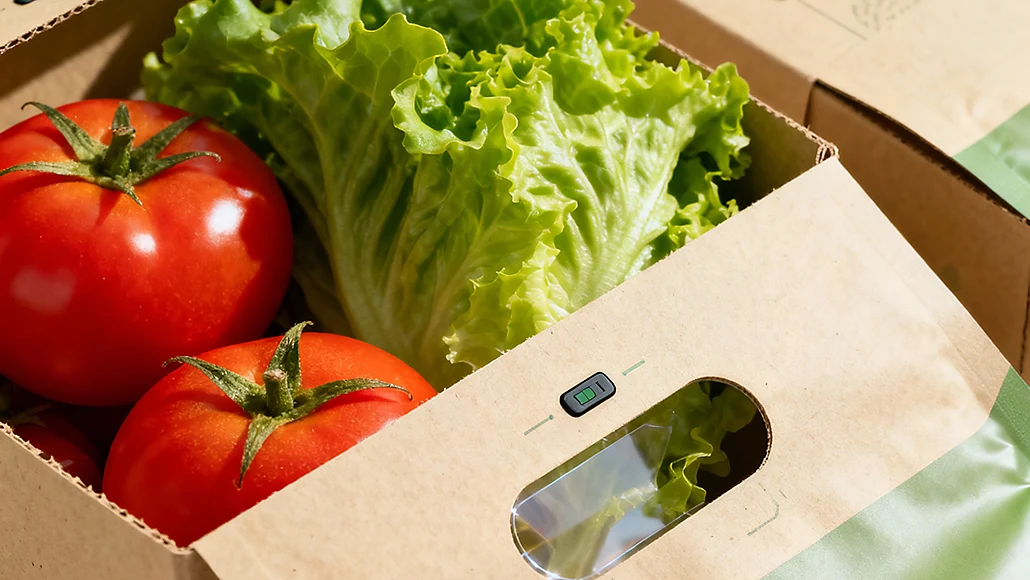
Time-temperature indicators provide visual feedback about product exposure to adverse temperature conditions, enabling better inventory management and reducing premature disposal of products that remain safe for consumption. These indicators change color or appearance based on cumulative temperature exposure, providing clear information about product quality and remaining shelf life. Integration with inventory management systems enables automated rotation and markdown strategies that minimize waste.
Ethylene management systems control the ripening process in fresh produce by absorbing or regulating ethylene gas concentrations within packages. These systems can significantly extend the shelf life of fruits and vegetables by controlling natural ripening processes, maintaining quality while preventing premature deterioration. Active ethylene absorbers and permeable packaging materials work together to create optimal conditions for produce storage and distribution.
pH regulation systems maintain optimal acidity levels within packages to prevent bacterial growth and maintain product quality. These systems can include pH indicators that signal when products approach unsafe conditions, enabling proactive quality management throughout the supply chain. Maintaining proper pH levels proves critical for dairy products, prepared foods, and processed items sensitive to acidity changes.
Vitamin and nutrient protection systems prevent degradation of nutritional components during storage, maintaining food’s nutritional value throughout extended shelf life periods. Light-blocking materials, antioxidant systems, and protective atmospheres work together to preserve vitamins, minerals, and other beneficial compounds that contribute to food’s nutritional profile.
Active and Intelligent Packaging Applications
The integration of active and intelligent technologies creates packaging systems that participate actively in food preservation while providing real-time information about product quality and safety. These sophisticated systems represent the cutting edge of packaging innovation, offering capabilities that transform food distribution and consumption patterns.
Smart sensors embedded within packaging monitor critical quality parameters such as temperature, humidity, pH, and gas concentrations, providing continuous feedback about product condition. These sensors can communicate with smartphones or other devices to provide consumers and supply chain partners with real-time information about product quality and optimal consumption timing.
Freshness indicators provide clear visual signals about product quality, changing color or appearance as products approach the end of their optimal consumption period[61]. These indicators help consumers make informed decisions about food safety and quality while reducing premature disposal of products that remain safe for consumption. Advanced indicators can account for cumulative exposure effects, providing more accurate assessments than simple expiration dates.
Antimicrobial release systems provide continuous protection against bacterial contamination throughout the product’s shelf life. These systems release antimicrobial compounds in controlled amounts, maintaining effective protection levels without affecting food taste or safety. Natural antimicrobial compounds derived from essential oils, plant extracts, or other organic sources provide consumer-friendly preservation options.
Traceability integration enables comprehensive tracking of products throughout the supply chain, providing valuable information for quality management and waste reduction programs. Digital tracking systems combined with intelligent packaging create detailed histories of product handling, storage conditions, and quality status. This information enables targeted interventions to prevent waste while ensuring food safety.
Quality prediction algorithms analyze sensor data to forecast remaining shelf life and optimal consumption timing, enabling proactive inventory management and consumer guidance. Machine learning systems can learn from historical data to improve prediction accuracy while accounting for variable storage conditions and product characteristics. These predictions enable more effective inventory rotation and markdown strategies.
Case Studies and Future Trends
Real-world implementations of innovative packaging solutions demonstrate significant achievements in food waste reduction while providing insights into future development directions. These examples showcase the practical benefits achievable through systematic application of advanced packaging technologies across different food categories and supply chain contexts.
Fresh produce applications have achieved shelf life extensions of 25-50% through modified atmosphere packaging combined with ethylene management systems. Produce distributors report substantial reductions in product loss during distribution while maintaining quality standards that meet consumer expectations. These improvements translate directly into reduced waste and improved profitability throughout the supply chain.
Meat and poultry packaging innovations utilizing antimicrobial systems and enhanced barrier materials have extended shelf life by 30-40% while maintaining food safety standards. These improvements prove particularly valuable for fresh meat products where small extensions in shelf life generate substantial economic benefits for producers, retailers, and consumers.
Dairy product packaging incorporating intelligent sensors and pH management systems provide early warning of quality degradation while extending usable life beyond traditional expiration dates. These systems enable more accurate assessment of product quality based on actual conditions rather than conservative date estimates.
Future developments in biodegradable active packaging promise to combine waste reduction benefits with enhanced sustainability through packaging materials that decompose naturally while providing active protection during product life. Research into plant-based antimicrobial systems and compostable barrier materials creates opportunities for packaging that reduces both food waste and packaging waste simultaneously.
Artificial intelligence integration will enable predictive packaging systems that optimize their performance based on real-time conditions and historical data. These systems will automatically adjust their protective characteristics based on environmental conditions, product type, and distribution requirements, maximizing waste reduction benefits while minimizing packaging costs.
Blockchain integration with intelligent packaging will create transparent supply chain tracking that enables precise waste reduction targeting and accountability throughout food distribution networks. These systems will identify specific points where waste occurs most frequently, enabling targeted interventions that maximize waste reduction impact.