























Label Trends in Food and Beverage Safety, Traceability, and Branding
The convergence of consumer demands for transparency, regulatory requirements for enhanced food safety, and competitive pressures for distinctive branding has transformed the landscape of food and beverage labeling. These evolving label trends in food and beverage packaging reflect a complex interplay of functional requirements, aesthetic considerations, and technological innovations that collectively reshape how brands communicate with consumers while ensuring compliance and safety.
Enhanced Traceability and Supply Chain Transparency
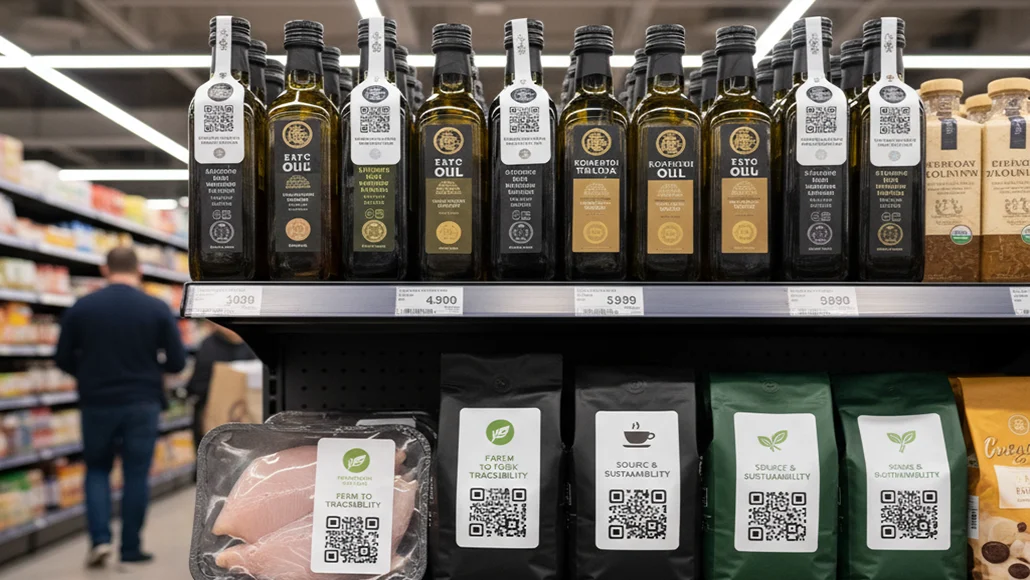
Modern food and beverage labels serve as critical information portals that provide unprecedented visibility into product origins, processing methods, and supply chain journey. Advanced traceability systems integrate quick response codes, blockchain technology, and digital watermarks that enable consumers to access comprehensive product histories with simple smartphone scans. These technologies support farm-to-fork visibility that builds consumer confidence while enabling rapid response to quality issues or contamination events.
Regulatory compliance requirements continue to evolve toward more stringent traceability standards that mandate detailed record-keeping and rapid information access capabilities. The Food Safety Modernization Act Rule 204 requires enhanced traceability records for specific high-risk foods, driving label innovations that incorporate serialization, batch coding, and digital connectivity features. These requirements create opportunities for labels that seamlessly integrate compliance information with consumer-facing content.
Supply chain transparency initiatives driven by consumer demands for ethical sourcing and sustainable practices require labels that communicate complex information about ingredient origins, processing methods, and environmental impact. Modern labels incorporate sustainability certifications, carbon footprint indicators, and ethical sourcing claims that require robust verification and traceability systems to maintain credibility and regulatory compliance.
Digital integration capabilities enable labels to serve as gateways to comprehensive product information that extends far beyond the physical constraints of label real estate. Interactive elements provide access to detailed nutritional information, allergen warnings, preparation instructions, and sustainability credentials while maintaining clean, uncluttered physical label designs that appeal to contemporary aesthetic preferences.
Food Safety Communication and Regulatory Compliance
The critical role of labels in communicating food safety information has intensified through increased awareness of foodborne illnesses, allergen sensitivities, and dietary restrictions that require precise and prominent disclosure. Clear labeling requirements for major allergens continue to expand globally, with some jurisdictions adding new allergens to mandatory disclosure lists while others enhance clarity and prominence requirements for existing allergen information.
Nutritional labeling requirements have evolved significantly with enhanced serving size definitions, added sugar disclosure requirements, and clearer formatting specifications that improve consumer comprehension. These regulatory changes require label designs that balance comprehensive nutritional information with space constraints while maintaining readability and aesthetic appeal.
Organic and natural product claims face increasing scrutiny and regulatory oversight that requires precise substantiation and clear communication of certification standards. Labels must accurately convey the scope and limitations of organic certifications while avoiding misleading implications about products that contain both organic and conventional ingredients.
Clean label trends driven by consumer preferences for recognizable ingredients and minimal processing require transparent communication about product composition and manufacturing methods. These trends influence both ingredient selection and labeling strategies as brands seek to eliminate artificial additives and communicate natural positioning effectively.
Advanced Anti-Counterfeiting and Authentication Technologies
The growing prevalence of food fraud and counterfeit products has driven significant innovations in label-based authentication technologies that protect brand integrity while ensuring consumer safety. Sophisticated anti-counterfeiting features incorporate multiple layers of security including overt elements visible to consumers, covert features detectable by retailers and inspectors, and forensic elements that enable detailed authentication by regulatory authorities.
Holographic elements and security inks provide immediate visual indicators of product authenticity while creating distinctive brand elements that enhance shelf appeal. These technologies balance security effectiveness with cost considerations while maintaining compatibility with standard printing and application processes.
Digital authentication systems enable real-time verification of product authenticity through smartphone applications or specialized scanning devices. These systems create unique digital fingerprints for individual products or production batches that can be verified instantly throughout the supply chain. The integration of authentication features with existing quick response codes optimizes label real estate while providing multiple functional capabilities.
Tamper-evident label technologies provide immediate visual indication of package compromise while maintaining ease of legitimate access by consumers. Advanced tamper-evident features incorporate multiple indication mechanisms and resist sophisticated tampering attempts while maintaining cost-effectiveness for high-volume applications.
Sustainable Materials and Circular Economy Integration
Environmental sustainability considerations significantly influence material selection and design decisions for food and beverage labels as brands seek to align packaging strategies with corporate sustainability commitments and consumer environmental expectations. Recyclable label materials and adhesives enable improved separation during recycling processes while maintaining performance characteristics required for food contact applications.
Bio-based label materials derived from renewable resources offer reduced environmental impact while providing comparable performance to conventional petroleum-based materials. These materials support closed-loop sustainability strategies while appealing to environmentally conscious consumers who increasingly consider packaging sustainability in purchase decisions.
Compostable labeling solutions address the growing market for compostable food packaging by providing label materials and adhesives that biodegrade under commercial composting conditions without compromising compost quality. These solutions require careful material selection and adhesive formulation to ensure compatibility with composting processes.
Reduced material usage strategies optimize label designs to minimize environmental impact while maintaining functional performance and aesthetic appeal. These approaches may incorporate thinner substrates, reduced adhesive coating weights, or linerless application systems that eliminate release liner waste while maintaining application efficiency.
Brand Differentiation and Premium Positioning Strategies
The intensely competitive food and beverage marketplace drives continuous innovation in label design and functionality that creates distinctive brand positioning while supporting premium pricing strategies. Textural effects and specialty finishes create tactile experiences that convey quality perceptions and brand personality while differentiating products from competitors.
Metallic effects and holographic elements provide premium appearance characteristics that justify higher price points while creating strong shelf presence that attracts consumer attention. These decorative elements must balance visual impact with functional requirements including readability, durability, and application compatibility.
Interactive labeling elements such as augmented reality features and gamification components create engaging consumer experiences that build brand loyalty while providing platforms for marketing communications. These technologies enable brands to extend consumer engagement beyond the initial purchase while collecting valuable consumer behavior data.
Personalization capabilities enable brands to create unique consumer experiences through variable data printing, seasonal designs, or limited edition graphics that create collectibility and social media engagement opportunities. These personalization strategies require flexible production capabilities and sophisticated inventory management to maintain cost effectiveness.
Technology Integration and Smart Packaging Features
Smart packaging technologies integrated into food and beverage labels provide enhanced functionality that addresses consumer convenience, safety, and information needs while creating competitive differentiation opportunities. Time-temperature indicators provide visual indication of cold-chain compliance while helping consumers assess product quality and safety.
Freshness indicators integrated into label systems provide real-time information about product condition and optimal consumption timing while reducing food waste through improved consumer awareness. These technologies require careful integration with label designs to maintain aesthetic appeal while providing clear, actionable information.
Near-field communication capabilities embedded in labels enable sophisticated consumer interactions including recipe suggestions, promotional offers, and loyalty program integration while providing brands with valuable consumer engagement data. These technologies create opportunities for ongoing consumer relationships that extend beyond initial purchase transactions.
Internet of Things integration enables labels to participate in connected packaging networks that provide supply chain visibility, inventory management support, and consumer engagement capabilities. These advanced technologies require careful cost-benefit analysis to ensure economic viability while providing meaningful value to consumers and supply chain partners.
Future Developments and Market Evolution
The continued evolution of label trends in food and beverage packaging points toward even greater integration of digital technologies, enhanced sustainability features, and personalized consumer experiences. Artificial intelligence integration may enable dynamic label content that adapts to individual consumer preferences or environmental conditions while maintaining regulatory compliance and brand consistency.
Nanotechnology applications may provide enhanced barrier properties, antimicrobial effects, and interactive capabilities while maintaining food safety standards and regulatory approval. These advanced materials could enable new functional benefits while supporting sustainability goals through reduced packaging requirements.
Advanced authentication technologies may incorporate biometric elements or molecular tagging that provides unprecedented security against counterfeiting while maintaining practical usability for legitimate consumers and supply chain partners.
The increasing emphasis on circular economy principles will drive continued development of sustainable labeling solutions that minimize environmental impact while maintaining the functional performance and aesthetic appeal required for competitive success in the dynamic food and beverage marketplace.