


















Reusable Packaging Systems as Pathways to Circularity
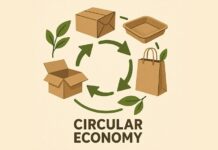
The transition from linear take-make-dispose economic models to circular systems represents one of the most significant paradigm shifts in modern business and environmental stewardship. Reusable packaging systems stand at the forefront of this transformation, offering tangible pathways to circularity that reduce waste generation, conserve natural resources, and create sustainable value propositions for businesses and consumers alike. These innovative solutions challenge traditional assumptions about packaging lifecycles by demonstrating that containers and materials can maintain functionality and value through multiple use cycles.
The global reusable packaging market, valued at approximately $135.8 billion in 2024 and projected to reach $190.1 billion by 2030, reflects growing recognition that circular business models provide competitive advantages while addressing environmental challenges. Reusable packaging systems encompass diverse solutions ranging from returnable transport packaging and refillable consumer containers to modular designs that adapt to changing product requirements. These systems create closed-loop material flows that keep resources in productive use while minimizing environmental impact and operational costs.
Understanding Circular Economy Principles in Packaging
The Three Pillars of Circular Design
Circular economy principles fundamentally reshape how we conceptualize packaging design, manufacturing, and end-of-life management. The first pillar focuses on designing out waste and pollution through intelligent material selection, optimized dimensions, and elimination of unnecessary components. Reusable packaging systems exemplify this principle by incorporating durable materials, standardized interfaces, and modular architectures that extend functional lifecycles while reducing resource consumption per use cycle.
The second pillar emphasizes keeping products and materials in use at their highest value for extended periods. Reusable packaging systems achieve this objective through robust construction that withstands multiple handling cycles, cleaning processes, and transportation stresses. Advanced materials science enables creation of packaging that maintains structural integrity, barrier properties, and aesthetic appeal throughout numerous reuse cycles while meeting stringent food safety, pharmaceutical, and industrial standards.
The third pillar involves regenerating natural systems through material choices and business practices that support environmental restoration rather than degradation. Reusable packaging systems contribute to regeneration by reducing demand for virgin materials, minimizing waste generation, and supporting sustainable forestry or agricultural practices through bio-based material selection. This regenerative approach creates positive environmental feedback loops that enhance ecosystem health while supporting business objectives.
Lifecycle Assessment and Environmental Impact
Comprehensive lifecycle assessment methodologies reveal the environmental advantages of reusable packaging systems compared to single-use alternatives. These assessments evaluate resource consumption, energy usage, emissions generation, and waste production across complete product lifecycles, from raw material extraction through manufacturing, distribution, use, and end-of-life management. Results consistently demonstrate that reusable systems achieve lower environmental impact per use cycle when utilized beyond sustainability breakeven points.
The sustainability breakeven point represents the minimum number of reuse cycles required for environmental benefits to outweigh the additional resources invested in durable construction. Research indicates that reusable containers typically achieve environmental advantages after 5-20 use cycles, depending on material composition, transportation distances, and cleaning requirements. Advanced materials and optimized logistics systems continue to reduce breakeven points while extending total lifecycle capabilities.
Water consumption analysis reveals significant advantages for reusable systems in applications where cleaning requirements are manageable through efficient processes. Modern cleaning technologies utilize minimal water and energy while achieving stringent hygiene standards, particularly important for food service and healthcare applications. The water footprint per use cycle typically decreases dramatically as reuse frequency increases, creating environmental benefits that compound over time.
Business Models and Economic Advantages
Return and Refill System Economics
Successful reusable packaging systems require innovative business models that align economic incentives among manufacturers, distributors, retailers, and consumers. Return and refill systems create shared value propositions where all participants benefit from reduced packaging costs, improved customer loyalty, and enhanced sustainability credentials. These models often incorporate deposit systems that incentivize container returns while providing working capital for system operation and expansion.
The economic advantages of reusable systems become particularly pronounced in applications with high packaging costs, frequent shipments, or premium product positioning. Industries such as beverages, cosmetics, and specialty chemicals demonstrate strong business cases for reusable packaging through reduced material costs, improved inventory management, and enhanced brand differentiation. Return rates exceeding 85% are common in well-designed systems, creating reliable material flows that support operational planning and cost optimization.
Circular business models transform packaging from a cost center into a value-generating asset through extended utility and improved customer relationships. Companies implementing reusable systems report increased customer engagement, higher repurchase rates, and improved brand loyalty compared to traditional packaging approaches. These benefits often justify initial investment requirements while creating sustainable competitive advantages in increasingly environmentally conscious markets.
Cost-Benefit Analysis and ROI Calculations
Comprehensive cost-benefit analysis of reusable packaging systems must account for both direct financial impacts and indirect benefits such as brand enhancement, regulatory compliance, and risk mitigation. Direct benefits include reduced packaging material costs, lower waste disposal fees, and decreased transportation volumes per unit delivered. Indirect benefits encompass improved customer satisfaction, enhanced sustainability reporting metrics, and reduced exposure to volatile raw material pricing.
The return on investment timeline varies significantly based on application characteristics, system design, and operational efficiency. High-frequency applications such as local food delivery or business-to-business shipments typically achieve positive returns within 12-24 months, while consumer applications may require 24-48 months depending on return rates and cleaning costs. Advanced analytics platforms enable continuous optimization of system parameters to maximize economic performance while maintaining environmental benefits.
Risk assessment considerations include consumer behavior uncertainty, cleaning infrastructure requirements, and potential contamination liabilities. Successful implementations incorporate robust risk mitigation strategies including insurance coverage, quality assurance programs, and contingency planning for system disruptions. These risk management approaches provide confidence for stakeholders while ensuring sustainable long-term operation.
Technology Integration and Smart Systems
Internet of Things and Tracking Technologies
Modern reusable packaging systems leverage Internet of Things technologies to create intelligent networks that optimize utilization, predict maintenance requirements, and enhance customer experiences. RFID tags, NFC chips, and QR codes enable automated tracking of container movements, usage patterns, and condition monitoring throughout multiple lifecycles. These technologies provide real-time visibility into system performance while generating data that supports continuous improvement initiatives.
Predictive analytics platforms process tracking data to identify optimization opportunities, predict container availability, and schedule maintenance activities before performance degradation occurs. Machine learning algorithms analyze usage patterns to optimize inventory levels, distribution strategies, and cleaning schedules while minimizing operational costs. These intelligent systems enable automated decision-making that improves efficiency while reducing manual management requirements.
Blockchain integration creates tamper-proof records of container history, usage verification, and quality maintenance that build trust among system participants. Smart contracts automate deposit management, usage fees, and performance incentives based on predetermined criteria and verified data. This technological infrastructure reduces transaction costs while ensuring transparent, reliable system operation that encourages participation and sustained engagement.
Digital Platforms and User Experience
Consumer-facing digital platforms play crucial roles in reusable packaging system success by providing convenient interfaces for container returns, status tracking, and reward management. Mobile applications enable users to locate return points, scan container codes, and access sustainability impact metrics that demonstrate personal environmental contributions. Gamification elements encourage continued participation while building emotional connections to sustainability objectives.
The user experience design must balance convenience with environmental education to create lasting behavioral change that supports system viability. Successful platforms provide clear value propositions, minimal friction interactions, and meaningful feedback about environmental impact and cost savings. Social sharing features enable users to demonstrate sustainability commitment while encouraging network effects that drive system expansion.
Integration with existing customer touchpoints including e-commerce platforms, loyalty programs, and customer service systems creates seamless experiences that reduce adoption barriers while maximizing convenience. These integrated approaches treat reusable packaging as component of comprehensive customer relationship management rather than standalone initiative, ensuring sustained engagement and satisfaction.
Industry Applications and Success Stories
Food and Beverage Sector Innovation
The food and beverage industry demonstrates particularly compelling applications for reusable packaging systems due to high packaging volumes, frequent consumer touchpoints, and growing sustainability expectations. Successful implementations range from returnable glass bottles for premium beverages to reusable containers for food delivery services that eliminate single-use waste while maintaining food safety standards.
Coffee shop chains have pioneered reusable cup programs that reduce waste while building customer loyalty through discount incentives and convenience features. These programs typically achieve 20-40% participation rates among regular customers, demonstrating that convenience and economic incentives can drive sustainable behavior change. Advanced systems incorporate mobile ordering integration and automated cleaning processes that maintain hygiene standards while minimizing operational complexity.
Restaurant and food service applications showcase the potential for reusable packaging in business-to-business contexts where container standardization and return logistics can be optimally managed. Commercial kitchens utilize reusable transport containers that reduce packaging costs while improving food presentation and temperature retention. These systems often achieve 95%+ return rates due to controlled distribution channels and strong economic incentives.
Industrial and Logistics Applications
Industrial applications of reusable packaging systems focus on durability, standardization, and operational efficiency rather than consumer engagement factors. Returnable transport packaging including pallets, crates, and bulk containers creates significant cost savings while reducing environmental impact across supply chains. These systems benefit from controlled distribution networks, professional handling practices, and strong economic incentives that ensure high return rates.
Automotive industry implementations demonstrate the scalability and economic advantages of reusable packaging systems in complex manufacturing environments. Standardized containers move components between suppliers and assembly plants through closed-loop systems that eliminate packaging waste while reducing handling costs. Advanced tracking systems optimize container utilization while providing visibility into supply chain performance and potential disruption risks.
Chemical and pharmaceutical industries utilize specialized reusable packaging that meets strict safety and contamination prevention requirements while achieving environmental and economic benefits. These applications require sophisticated cleaning and verification processes that ensure product integrity while enabling multiple use cycles. Regulatory compliance frameworks support these systems by recognizing their safety advantages when properly implemented and maintained.
Challenges and Implementation Strategies
Infrastructure Development Requirements
Successful reusable packaging system implementation requires significant infrastructure development including collection networks, cleaning facilities, and redistribution capabilities. These infrastructure requirements represent substantial upfront investments that must be carefully planned and phased to ensure economic viability while meeting service level requirements. Geographic concentration of users and strategic location of facilities optimize operational efficiency while minimizing transportation costs.
Cleaning infrastructure development must balance hygiene requirements with environmental impact and operational costs. Modern cleaning systems utilize automated processes, closed-loop water recycling, and energy-efficient technologies that minimize resource consumption while achieving stringent cleanliness standards. Centralized cleaning facilities achieve economies of scale while distributed systems reduce transportation requirements and improve service responsiveness.
Collection network design significantly impacts system convenience and participation rates, particularly for consumer applications. Successful networks integrate with existing infrastructure including retail locations, transportation hubs, and residential collection systems to maximize accessibility while minimizing costs. Partnership strategies with established logistics providers and retail networks accelerate deployment while reducing capital requirements.
Consumer Behavior and Market Adoption
Consumer behavior change represents one of the most significant challenges for reusable packaging system success, requiring comprehensive education, incentive alignment, and convenience optimization. Research indicates that environmental motivation alone insufficient to drive sustained participation without accompanying economic benefits and convenience features. Successful systems combine multiple value propositions including cost savings, quality improvements, and social recognition to create compelling participation incentives.
Market adoption strategies must address consumer concerns about hygiene, convenience, and product quality while demonstrating clear benefits that justify behavior change. Pilot programs enable market testing and refinement of system features before full-scale deployment, reducing risks while building consumer confidence and operational expertise. These controlled implementations provide valuable data about consumer preferences and usage patterns that inform broader rollout strategies.
Communication strategies should emphasize tangible benefits including cost savings, convenience features, and environmental impact while addressing potential concerns through transparent information and third-party verification. Success stories from early adopters and peer testimonials provide credible evidence that encourages broader participation while building community around sustainability objectives.
Regulatory Framework and Policy Support
Government Initiatives and Incentives
Government policies increasingly support reusable packaging systems through regulatory frameworks, financial incentives, and public procurement requirements that create favorable operating environments. Extended Producer Responsibility legislation shifts end-of-life costs to manufacturers, making reusable systems more economically attractive compared to single-use alternatives. Tax incentives and grants support infrastructure development while reducing financial barriers to system implementation.
The European Union’s Packaging and Packaging Waste Regulation includes specific provisions for reuse that require companies to demonstrate progress toward circular economy objectives. These regulatory requirements create market opportunities for reusable packaging systems while establishing clear compliance frameworks that support business planning and investment decisions. Similar regulations in other jurisdictions create global momentum that supports technology development and standardization efforts.
Public procurement policies that prioritize reusable packaging systems create significant market opportunities while demonstrating government commitment to sustainability objectives. These policies often include performance requirements, cost-benefit analysis frameworks, and implementation timelines that provide clear guidance for system development and deployment. Government leadership in adopting reusable systems creates market confidence while demonstrating practical feasibility.
Standards Development and Certification
Industry standards development plays crucial roles in reusable packaging system success by establishing interoperability requirements, performance specifications, and safety protocols that enable widespread adoption. International standards organizations develop consensus-based specifications that support global trade while ensuring consistent quality and performance across different markets and applications.
Certification programs provide third-party verification of system performance, environmental benefits, and safety compliance that builds stakeholder confidence while supporting marketing claims. These programs typically evaluate lifecycle environmental impact, durability performance, hygiene maintenance capabilities, and operational efficiency metrics. Certification marks enable consumers and businesses to identify verified sustainable packaging solutions while supporting purchasing decisions.
Harmonized standards facilitate international trade and system interoperability while reducing compliance costs and technical barriers. Industry collaboration through standards development organizations ensures that specifications reflect practical requirements while supporting innovation and continuous improvement. These collaborative approaches create shared technical foundations that support market development while ensuring safety and performance.
Environmental Impact and Sustainability Metrics
Resource Conservation and Waste Reduction
Quantifying the environmental benefits of reusable packaging systems requires comprehensive analysis of resource conservation, waste reduction, and emissions avoidance across complete lifecycles. Studies consistently demonstrate significant reductions in material consumption, with reusable systems typically requiring 60-80% less packaging material per unit delivered compared to single-use alternatives when utilized beyond breakeven points.
Waste reduction benefits extend beyond packaging materials to include secondary impacts such as reduced transportation packaging, lower inventory waste, and decreased disposal costs. Reusable systems create closed-loop material flows that eliminate waste generation while supporting local economic development through cleaning and logistics services. These circular flows contrast sharply with linear systems that continuously consume virgin resources while generating persistent waste streams.
Energy analysis reveals complex tradeoffs between manufacturing intensity, transportation requirements, and end-of-life processing that vary significantly based on system design and operational parameters. Reusable systems typically require higher initial energy investment for durable construction but achieve lower energy consumption per use cycle through extended lifecycles. Optimization strategies focus on minimizing transportation distances, improving cleaning efficiency, and utilizing renewable energy sources for manufacturing and operations.
Carbon Footprint Analysis and Climate Impact
Carbon footprint analysis provides critical insights into climate impact differences between reusable and single-use packaging systems across various applications and operational scenarios. Reusable systems typically achieve significant carbon emission reductions per use cycle after reaching sustainability breakeven points, with benefits increasing as utilization rates improve. Transportation optimization plays crucial roles in maximizing carbon benefits while maintaining operational efficiency.
Lifecycle carbon assessment must account for temporal factors including manufacturing timing, energy grid carbon intensity changes, and end-of-life treatment variations over extended system lifecycles. Advanced modeling techniques incorporate these dynamic factors while providing sensitivity analysis that identifies key optimization opportunities and risk factors. Results inform system design decisions and operational strategies that maximize climate benefits.
Climate impact extends beyond direct carbon emissions to include broader environmental benefits such as reduced resource extraction, habitat preservation, and pollution prevention. Reusable packaging systems support climate adaptation strategies by reducing dependence on resource-intensive single-use alternatives while building resilient local economies through service-based business models. These multiple benefits create compounding positive impacts that extend beyond simple carbon accounting.
Future Developments and Innovation Opportunities
Emerging Technologies and Smart Materials
Advanced materials science continues to expand possibilities for reusable packaging systems through development of smart materials that adapt to different products, self-indicate condition status, and optimize performance throughout multiple lifecycles. Shape-memory polymers enable packaging that adapts to different product dimensions while maintaining protective properties. Self-healing materials extend lifecycle duration by automatically repairing minor damage that would otherwise require replacement.
Nanotechnology applications include antimicrobial surfaces that maintain hygiene without chemical treatments, barrier coatings that prevent contamination while enabling cleaning, and sensors embedded within packaging materials that monitor condition and usage patterns. These technological advances reduce operational costs while improving system performance and reliability.
Biodegradable and compostable materials are being developed for reusable applications that combine extended lifecycle capabilities with end-of-life biodegradation when replacement becomes necessary. These hybrid approaches address concerns about persistent waste while maintaining circular economy benefits throughout active lifecycles. Advanced processing techniques enable creation of materials that degrade only under specific conditions after predetermined usage periods.
Integration with Digital Economy and Platform Business Models
Digital platform integration creates new opportunities for reusable packaging systems through network effects, data monetization, and service enhancement that extend beyond traditional packaging functions. Platforms can connect multiple stakeholders including producers, distributors, retailers, and consumers through integrated experiences that optimize utilization while creating new value streams.
Artificial intelligence and machine learning enable predictive optimization of system performance including demand forecasting, inventory management, and maintenance scheduling. These capabilities reduce operational costs while improving service quality and reliability. Advanced analytics provide insights into consumer behavior patterns that inform product development and marketing strategies.
Blockchain technology supports trustless systems that automatically manage deposits, usage verification, and performance incentives without centralized control structures. Smart contracts enable complex multi-party agreements that align incentives while reducing transaction costs and administrative overhead. These decentralized approaches support system scalability while maintaining transparency and accountability.
The transition toward reusable packaging systems represents a fundamental shift in how society approaches resource utilization, waste management, and economic value creation. These systems demonstrate that circular economy principles can create sustainable competitive advantages while addressing environmental challenges and consumer preferences for sustainable solutions. Success requires coordinated efforts among manufacturers, policymakers, technology providers, and consumers to create supportive ecosystems that enable widespread adoption and continuous improvement.
The continued evolution of reusable packaging systems will be driven by technological innovation, regulatory support, and growing consumer awareness of environmental issues. Organizations that invest in developing these capabilities today will be well-positioned to capitalize on the transition toward circular economy business models while contributing to global sustainability objectives. The integration of advanced technologies, optimized logistics, and consumer-centric design creates opportunities for reusable packaging systems to become the preferred choice across diverse applications and markets.