
















Trends in Short-Run Finishing for Custom and On-Demand Labels
The transformation of the packaging industry toward personalization, rapid market response, and cost-effective customization has positioned short-run finishing as a critical capability for modern label converters. These short run finishing trends represent a fundamental shift in production methodologies, enabling unprecedented flexibility while maintaining professional quality standards across diverse application requirements.
Evolution of Short-Run Finishing Technologies
Traditional finishing operations were designed primarily for long production runs where setup costs could be amortized across large quantities, making short-run applications economically challenging. Contemporary short-run finishing technologies have revolutionized this paradigm through digital integration, modular equipment design, and automated setup procedures that dramatically reduce changeover times and eliminate many traditional barriers to small-batch production.
Digital finishing systems have emerged as game-changing technologies that enable complex embellishments without the traditional tooling requirements associated with conventional finishing processes. These systems utilize digital control mechanisms to apply foils, embossing effects, spot varnishes, and specialty coatings with precision that matches or exceeds conventional methods while eliminating setup delays and tooling costs.
Laser finishing technologies represent another breakthrough in short-run capabilities, providing precise cutting, perforating, and surface modification without physical dies or cutting tools. These systems offer infinite design flexibility and can switch between different finishing patterns instantaneously, making them ideal for custom applications and prototype development. The precision and repeatability of laser systems ensure consistent quality across all production volumes.
Modular finishing equipment designs enable rapid reconfiguration for different applications and product requirements. These systems incorporate interchangeable components that can be quickly swapped or adjusted to accommodate varying substrate types, finishing requirements, and design specifications. The modular approach reduces equipment investment requirements while maximizing operational flexibility.
Digital Integration and Workflow Optimization
The integration of digital technologies throughout short-run finishing operations has created seamless workflows that minimize manual intervention and reduce the potential for errors. Digital workflow management systems coordinate finishing operations with printing processes, ensuring optimal timing and material flow throughout production. These systems automatically optimize job sequencing to minimize setup changes and maximize equipment utilization.
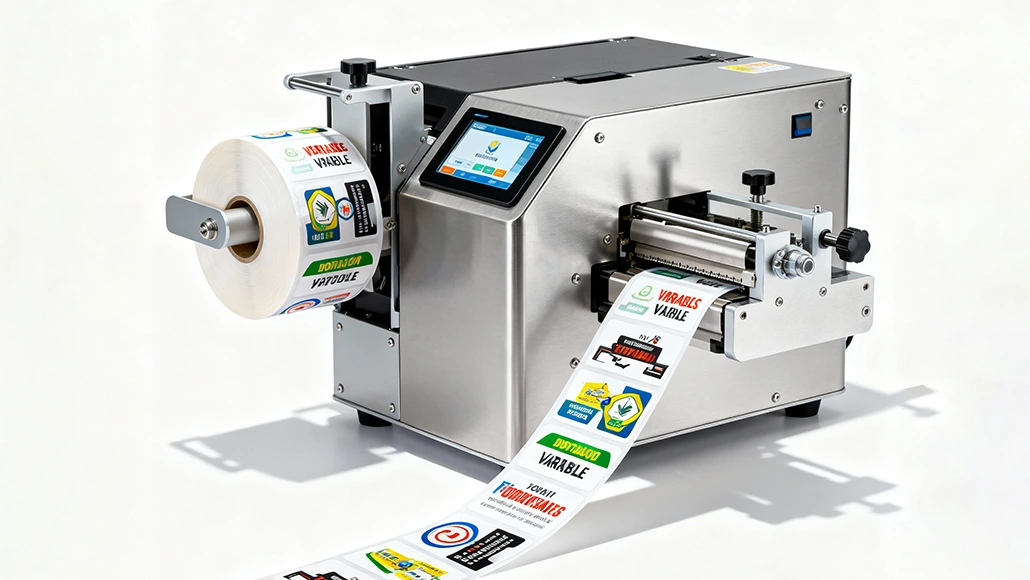
Variable data finishing capabilities enable different finishing effects within the same production run, creating unique products for individual customers or market segments. This capability supports mass customization strategies where base label designs incorporate customer-specific elements or regional variations. The ability to vary finishing effects label-by-label opens new possibilities for personalization and market differentiation.
Cloud-based finishing management platforms provide remote access to production control and monitoring capabilities, enabling real-time oversight and optimization from multiple locations. These platforms facilitate collaboration between design teams, production personnel, and customers throughout the finishing process. The centralized data management capabilities support quality control initiatives and enable comprehensive production reporting.
Automated quality inspection systems integrated with finishing equipment provide real-time feedback on finishing quality and automatically adjust process parameters to maintain consistency. These systems utilize machine vision and advanced analytics to detect variations in coating thickness, registration accuracy, and finishing uniformity. The immediate feedback enables rapid correction of process deviations before they impact significant quantities of product.
Economic Advantages and Market Opportunities
Short-run finishing capabilities create significant economic advantages for label converters by enabling them to serve market segments that were previously uneconomical. The elimination of setup costs and tooling requirements makes small-quantity orders financially viable while providing attractive profit margins. This capability enables converters to work with smaller brands, startup companies, and specialized applications that require limited quantities.
The ability to offer rapid turnaround times for finished products creates competitive advantages in markets where speed-to-market is critical. Short-run finishing systems can produce completed labels within hours of receiving artwork approval, enabling last-minute product launches, promotional campaigns, and seasonal applications. This responsiveness commands premium pricing and strengthens customer relationships.
Inventory reduction represents another significant economic benefit of short-run finishing capabilities. Brands can order labels as needed rather than maintaining large inventories of pre-finished products. This approach reduces working capital requirements, eliminates obsolescence risks, and enables more frequent design updates and product variations.
The testing and prototyping opportunities provided by short-run finishing enable brands to evaluate new designs and market concepts with minimal investment. This capability supports innovation and reduces the risks associated with new product development. The ability to quickly produce market-ready samples facilitates decision-making and accelerates product development timelines.
Technology Applications and Creative Possibilities
Specialty coating applications in short-run environments have expanded significantly through the development of digital coating systems that can apply multiple coating types within a single pass. These systems enable selective application of anti-microbial coatings, barrier coatings, tactile effects, and color-changing materials with precision that creates unique sensory experiences and functional benefits.
Foil stamping without dies has become possible through digital foil application technologies that use heat and pressure to selectively transfer metallic and holographic foils based on digital artwork files. These systems produce results comparable to traditional hot stamping while eliminating lead times and tooling costs associated with die-based processes. The instant changeover capability enables multiple foil effects within a single production run.
Embossing and debossing effects can now be achieved through digital methods that create tactile surfaces without mechanical embossing dies. These technologies use controlled heating and pressure application to create raised or recessed patterns that enhance perceived value and create distinctive tactile experiences. The digital control enables precise registration and consistent depth across varying substrate materials.
Selective UV coating applications provide spot gloss effects, tactile variations, and protective benefits where traditional UV coating would require masking or additional processing steps. Digital UV coating systems apply variable coating patterns with precise edge definition and consistent thickness control. These capabilities enable creative effects that combine matte and gloss finishes within complex design patterns.
Material Innovations and Substrate Compatibility
The development of specialized materials optimized for short-run finishing has expanded the range of effects and applications possible in small-batch production. These materials are designed to respond optimally to digital finishing processes while maintaining compatibility with various printing technologies and adhesive systems.
Barrier films specifically formulated for digital finishing applications provide enhanced chemical resistance, moisture protection, and oxygen barrier properties while maintaining flexibility and printability. These materials enable short-run production of labels for challenging applications including food packaging, chemical containers, and outdoor exposure conditions.
Smart materials that change properties in response to environmental conditions create opportunities for interactive labeling effects in short-run applications. These materials may change color with temperature variations, reveal hidden graphics when exposed to moisture, or provide time-temperature indication capabilities. The specialty nature of these materials makes them particularly suitable for short-run applications where premium pricing justifies the material costs.
Sustainable finishing materials formulated for digital processing support environmental initiatives while maintaining performance characteristics. These materials may incorporate bio-based components, enhanced recyclability, or biodegradable properties that align with sustainability goals. The ability to produce small quantities enables brands to test sustainable options before committing to large-scale conversions.
Market Applications and Industry Adoption
Craft beverage and artisanal food producers represent significant markets for short-run finishing capabilities, as these companies typically require smaller quantities with frequent design changes. The premium positioning of these products justifies enhanced finishing effects while the smaller volumes make short-run capabilities essential. These applications often require seasonal variations, limited editions, and rapid response to market opportunities.
Pharmaceutical and nutraceutical applications benefit significantly from short-run finishing capabilities that enable lot-specific serialization, regulatory compliance marking, and tamper-evident features. The ability to vary finishing elements based on product characteristics or regulatory requirements provides flexibility that supports complex product portfolios and changing regulatory environments.
Cosmetic and personal care products utilize short-run finishing for premium brand positioning, seasonal promotions, and market testing of new products. The ability to create luxurious tactile effects and premium appearance characteristics supports brand differentiation strategies. The flexibility to vary finishing effects enables testing of consumer preferences and market response before committing to large-scale production.
Future Developments and Emerging Technologies
The continued evolution of short run finishing trends points toward even greater integration of artificial intelligence and machine learning capabilities that optimize finishing parameters automatically based on substrate characteristics, environmental conditions, and desired outcomes. These intelligent systems will enable consistent results across varying conditions while minimizing material waste and energy consumption.
Nanotechnology integration may enable new finishing effects and capabilities that are currently impossible with conventional technologies. Nano-scale coatings and treatments could provide enhanced barrier properties, antimicrobial effects, and interactive capabilities while maintaining compatibility with existing production equipment and processes.
Three-dimensional finishing effects may become possible through advanced digital systems that create textured surfaces with unprecedented precision and complexity. These capabilities could enable tactile effects that simulate natural materials or create completely novel sensory experiences.
The increasing emphasis on sustainability will drive development of finishing technologies that minimize environmental impact while maintaining performance characteristics. These developments may include waterless processing methods, bio-based finishing materials, and energy-efficient application technologies that reduce the overall environmental footprint of short-run finishing operations.

