



















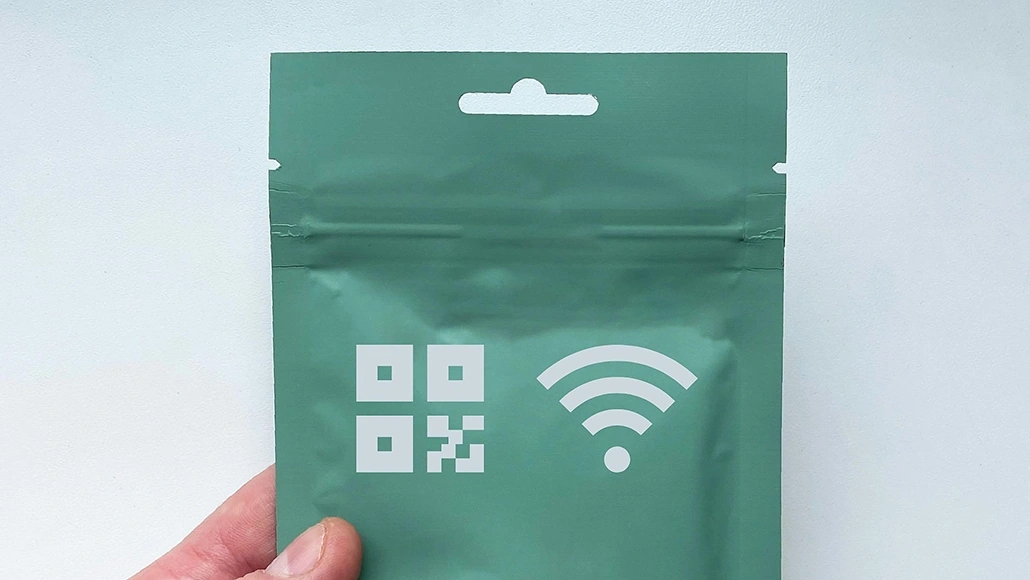

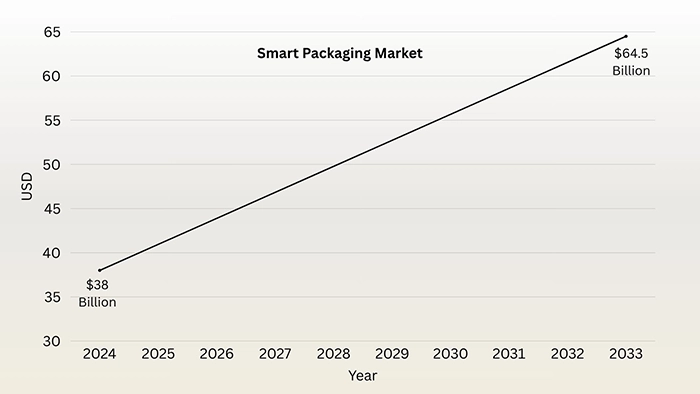
The smart packaging market is undergoing a profound transformation, redefining the role of packaging beyond protection and aesthetics to a platform for intelligence, engagement, and operational efficiency. Valued at USD 38.0 billion in 2024, the market is projected to reach USD 64.5 billion by 2033, growing at a compound annual growth rate (CAGR) of 5.75% during 2025–2033. This growth reflects the increasing adoption of innovative technologies, the rising need for supply chain transparency, and growing consumer expectations for enhanced interaction with products.
Smart packaging integrates technologies such as the Internet of Things (IoT), artificial intelligence (AI), radio-frequency identification (RFID), near-field communication (NFC), and blockchain to transform packaging into an interactive and data-driven interface. These advancements enable products to communicate real-time information on authenticity, freshness, and environmental conditions. Industries like food and beverages, pharmaceuticals, and personal care are at the forefront of adoption, where quality assurance and traceability are critical.
Drivers of Market Growth
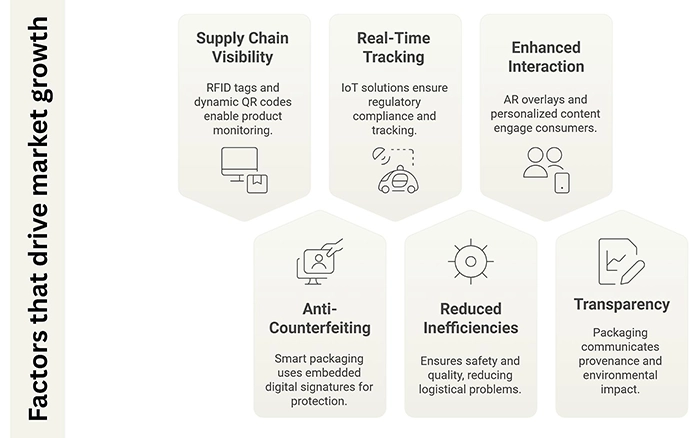
The adoption of smart packaging is being propelled primarily by the increasing demand for supply chain visibility and anti-counterfeiting measures. IoT-enabled solutions, including passive RFID tags and dynamic QR codes, allow for monitoring products at the unit level rather than simply at pallets. This capability is particularly crucial for temperature-sensitive goods, enabling real-time tracking and compliance with regulatory standards. Counterfeiting remains a significant concern, causing billions in losses annually, and smart packaging offers a technological solution through embedded digital signatures, ensuring product integrity and safeguarding brand reputation.
Additionally, the COVID-19 pandemic highlighted vulnerabilities in global supply chains, accelerating interest in intelligent packaging solutions that enhance operational resilience. Companies have recognized that smart packaging not only ensures the safety and quality of goods but also reduces logistical inefficiencies, strengthens inventory management, and provides critical analytics for decision-making.
Beyond operational benefits, smart packaging is revolutionizing consumer interaction. Modern consumers, particularly digitally savvy millennials and Gen Z, expect a deeper connection with the products they purchase. Interactive packaging technologies, such as augmented reality (AR) overlays, personalized content via QR codes, and video storytelling, allow brands to engage consumers beyond traditional marketing channels. This engagement fosters brand loyalty, drives repeat purchases and generates valuable first-party data that informs product development, marketing strategy, and inventory planning.
Furthermore, the emphasis on transparency and product authenticity aligns with consumer demand for sustainable and ethical sourcing. Packaging that communicates provenance, production methods, and environmental impact is increasingly appreciated, giving brands a competitive advantage in the marketplace.
Technological Advancements and Functionalities
Technologically, the smart packaging market is diverse and continuously evolving. Modified atmosphere packaging (MAP) remains a dominant solution, extending the shelf life of perishable foods by controlling internal atmospheric conditions. Active packaging technologies, including gas scavengers, antimicrobial coatings, moisture regulators, and corrosion inhibitors, are gaining traction as they ensure product quality and durability. Meanwhile, intelligent packaging solutions that incorporate indicators, sensors, and tracking devices provide actionable real-time feedback, crucial for high-value, sensitive, or regulated products.
The integration of biosensors, time-temperature indicators (TTIs), and volatile organic compound (VOC) sensors is enhancing monitoring capabilities. These tools provide dynamic insights into product freshness, surpassing static expiry dates. Retailers and consumers can better manage inventory, reduce waste, and ensure that products are consumed at peak quality, aligning with sustainability goals.
Industry Adoption
The food and beverage sector continues to be the primary adopter of smart packaging, leveraging technologies to maintain freshness, prevent spoilage, and ensure compliance with safety regulations. Pharmaceuticals follow closely, where integrity and traceability of drugs are non-negotiable due to regulatory requirements and the high cost of product recalls. Other sectors, such as personal care, automotive, and electronics, are increasingly integrating smart packaging to enhance brand differentiation, combat counterfeiting, and improve operational efficiency.
Geographically, North America dominates the market due to advanced technological infrastructure, strong e-commerce growth, and substantial investment in research and development. Europe and Asia-Pacific are expanding rapidly as consumer awareness rises, regulations support sustainable solutions, and industries modernize supply chains. Emerging markets in Latin America and the Middle East & Africa present additional growth opportunities, particularly where industrial modernization and supply chain digitization are accelerating.
Future Outlook
Looking ahead, the smart packaging market is expected to continue its upward trajectory, driven by advances in sensor technologies, AI-enabled analytics, and blockchain-based authentication systems. Sustainability will play a pivotal role, with increasing consumer demand for eco-friendly packaging solutions that incorporate intelligent features. The convergence of interactive, secure, and sustainable packaging will redefine product experience and operational efficiency across industries.
As brands seek to differentiate themselves in a highly competitive landscape, smart packaging will evolve from a novel innovation to a critical business strategy. Companies that successfully integrate intelligent packaging into their operations will benefit from enhanced supply chain resilience, improved consumer trust, and measurable environmental impact reduction.
In summary, the smart packaging market stands at the intersection of technology, consumer engagement, and sustainability. With projected growth from USD 38.0 billion in 2024 to USD 64.5 billion by 2033, the sector offers substantial opportunities for manufacturers, retailers, and technology providers. Intelligent packaging ensures product integrity, optimizes supply chains, reduces waste, and elevates consumer experiences, establishing itself as an essential component of modern commerce. The continued integration of advanced technologies and the focus on sustainability will further consolidate its role as a cornerstone of industry innovation and operational excellence.