





















How Smart Serialization Builds Trust in Supply Chains
The modern global marketplace demands unprecedented levels of transparency and accountability throughout supply chains. As counterfeit products proliferate and consumer trust erodes, manufacturers and brands are turning to smart serialization in packaging as a foundational technology for rebuilding confidence and ensuring product authenticity. This revolutionary approach transforms traditional packaging into intelligent information carriers, creating an immutable digital trail that follows products from manufacturing facilities to consumers’ hands.
Smart serialization represents a paradigm shift from static packaging to dynamic, data-rich solutions that enable real-time visibility across complex supply networks. Through the integration of unique digital codes, advanced tracking technologies, and blockchain-enabled verification systems, smart serialization creates an interconnected ecosystem where every product movement is documented, verified, and made accessible to stakeholders throughout the value chain. This technological evolution addresses critical challenges including counterfeiting, product recalls, regulatory compliance, and consumer engagement while establishing new standards for supply chain transparency.
The Foundation of Smart Serialization Technology
Digital Identity Creation and Management
Smart serialization in packaging begins with the assignment of unique digital identities to individual products or batches. These identities, typically expressed as alphanumeric codes, QR codes, or RFID tags, serve as digital fingerprints that distinguish each item from millions of others in global circulation. Unlike traditional batch tracking, which provides general information about product groups, smart serialization creates granular visibility at the unit level, enabling precise tracking and authentication capabilities.
The digital identity creation process involves sophisticated algorithms that generate randomized, non-sequential codes to prevent counterfeiting attempts. These codes are cryptographically secured and linked to comprehensive databases containing product information, manufacturing details, quality parameters, and chain-of-custody records. Advanced systems integrate with Enterprise Resource Planning platforms, Warehouse Management Systems, and Manufacturing Execution Systems to ensure seamless data flow and real-time updates throughout production and distribution processes.
Modern serialization systems employ flexible numbering schemes that accommodate various product types, regulatory requirements, and business needs. Pharmaceutical companies, for instance, implement Drug Supply Chain Security Act compliant serialization that includes National Drug Code identifiers, expiration dates, lot numbers, and unique serial numbers. Consumer goods manufacturers adopt Global Trade Item Numbers integrated with custom serialization protocols that support brand protection initiatives and consumer engagement programs.
Integration with Supply Chain Infrastructure
The effectiveness of smart serialization depends heavily on its integration with existing supply chain infrastructure and emerging digital technologies. Contemporary implementations leverage Internet of Things sensors, edge computing capabilities, and cloud-based analytics platforms to create comprehensive tracking ecosystems. These integrated systems capture data at every touchpoint, from manufacturing lines through distribution centers to retail locations, creating detailed audit trails that support compliance, quality assurance, and operational optimization initiatives.
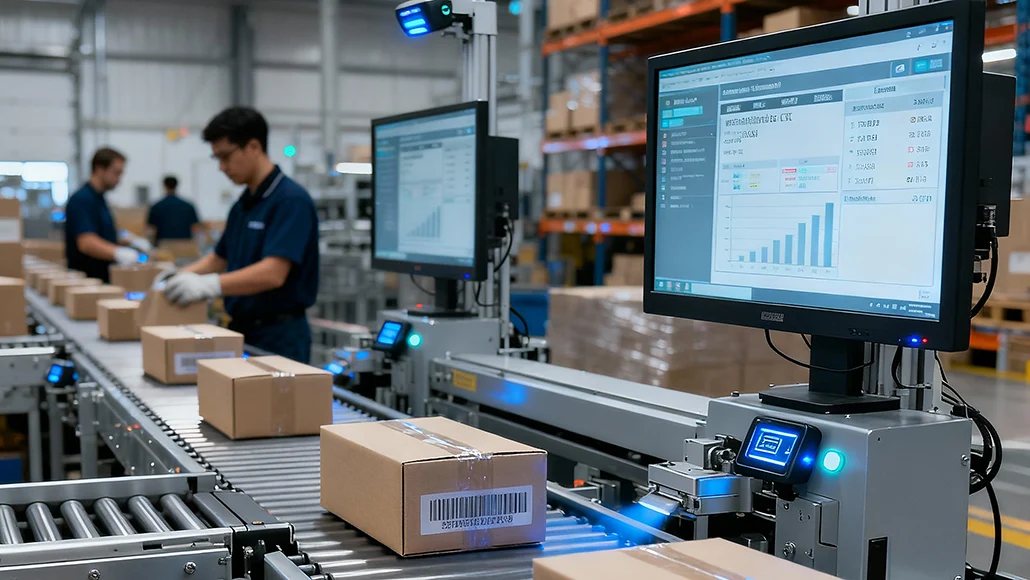
Supply chain partners utilize handheld scanners, fixed readers, and mobile applications to interact with serialized products throughout their journey. Warehouse operations benefit from automated scanning systems that update inventory records in real-time, reducing manual data entry errors and improving stock accuracy. Transportation providers employ GPS-enabled tracking devices that correlate location data with serialization information, creating time-stamped movement records that enhance security and enable precise delivery predictions.
The integration extends to retail environments where point-of-sale systems automatically capture serialization data during transactions, linking products to specific customers and enabling targeted recall communications if quality issues arise. This comprehensive integration transforms traditional supply chains into intelligent networks capable of autonomous decision-making and proactive issue resolution.
Enhancing Supply Chain Transparency Through Data Visibility
Real-Time Information Sharing Mechanisms
Smart serialization enables unprecedented levels of real-time information sharing across supply chain networks through secure, permission-based access systems. Stakeholders throughout the value chain can access relevant product information instantly, creating collaborative environments where transparency drives improved performance and accountability. Cloud-based platforms aggregate serialization data from multiple sources, presenting unified views of product status, location, and condition to authorized parties.
The information sharing mechanisms incorporate role-based access controls that ensure sensitive business information remains protected while enabling appropriate transparency. Manufacturers can share quality certifications and compliance documentation with regulatory agencies, while retailers access inventory status and authentication data to prevent counterfeit infiltration. Consumers receive access to product provenance information, usage instructions, and safety notifications through mobile applications and interactive packaging features.
Advanced analytics capabilities transform raw serialization data into actionable insights that drive continuous improvement initiatives. Machine learning algorithms identify patterns in product movement, detect anomalies that may indicate security breaches or quality issues, and predict potential disruptions before they impact operations. These predictive capabilities enable proactive management strategies that minimize risks and optimize performance across complex supply networks.
Building Consumer Trust Through Verification
Consumer trust represents the ultimate objective of smart serialization initiatives, and achieving this goal requires sophisticated verification systems that are both secure and user-friendly. Contemporary solutions employ blockchain technology to create immutable records of product authenticity that cannot be altered or falsified by malicious actors. Consumers can verify product genuineness by scanning codes with smartphone applications that instantly access blockchain-secured authentication databases.
The verification process extends beyond simple authenticity confirmation to include comprehensive product information that enhances consumer confidence and engagement. Smart packaging enables access to detailed provenance data, including ingredient sourcing, manufacturing location, quality test results, and sustainability certifications. This transparency allows consumers to make informed purchasing decisions based on their personal values and preferences while building emotional connections with brands that demonstrate commitment to openness and accountability.
Consumer verification systems incorporate gamification elements and loyalty program integration that incentivize engagement while gathering valuable market research data. Brands can track consumer interaction patterns, identify popular products and features, and develop targeted marketing campaigns based on real-world usage data. This two-way communication channel transforms packaging from a protective barrier into an interactive marketing platform that drives brand loyalty and customer retention.
Combating Counterfeiting and Fraud Prevention
Advanced Authentication Technologies
The fight against counterfeit products requires sophisticated authentication technologies that can detect and prevent fraud attempts while remaining practical for legitimate supply chain operations. Smart serialization employs multiple layers of security including cryptographic signatures, holographic elements, and covert markings that are extremely difficult to replicate. These multi-factor authentication systems create formidable barriers for counterfeiters while providing reliable verification methods for authorized parties.
Blockchain-enabled serialization represents a particularly powerful anti-counterfeiting tool because it creates decentralized verification networks that cannot be compromised through single points of failure. Each product’s authenticity record is distributed across multiple nodes in the blockchain network, making it virtually impossible for counterfeiters to create false authentication credentials. Smart contracts automatically verify product legitimacy by comparing presented codes against immutable blockchain records, eliminating the need for centralized authentication servers that could be targeted by malicious actors.
Machine learning algorithms continuously analyze serialization patterns to identify potential fraud attempts and emerging counterfeiting techniques. These systems detect anomalies in code generation patterns, unusual scanning behaviors, and geographical inconsistencies that may indicate counterfeit activities. Automated alert systems notify brand protection teams of suspicious activities, enabling rapid response to emerging threats before they can cause significant damage to brand reputation or consumer safety.
Supply Chain Security Enhancement
Smart serialization strengthens supply chain security by creating comprehensive visibility into product movements and identifying unauthorized access points where counterfeit infiltration may occur. Track and trace capabilities enable security teams to monitor product flows in real-time, comparing actual movements against planned routes and schedules to detect deviations that may indicate theft, diversion, or tampering attempts.
The security enhancement extends to distribution partner verification, where serialization data helps brands confirm that products are flowing through authorized channels and reaching legitimate retailers. Unauthorized resellers and grey market operators find it increasingly difficult to obtain genuine products because their activities become visible through serialization tracking systems. This channel control helps brands protect pricing strategies, maintain quality standards, and ensure consumers receive authentic products with proper warranty coverage.
Environmental sensors integrated with serialization systems provide additional security layers by monitoring temperature, humidity, light exposure, and shock conditions throughout the supply chain. These sensors help detect tampering attempts, ensure product integrity maintenance, and provide evidence for insurance claims when damage occurs during transportation or storage. The combination of digital tracking and physical monitoring creates comprehensive security ecosystems that protect both brands and consumers from various threat vectors.
Regulatory Compliance and Risk Management
Meeting Global Compliance Standards
Smart serialization has become essential for meeting increasingly stringent global compliance standards that require detailed tracking and documentation of product movements. The European Union’s Falsified Medicines Directive mandates unique identifiers and anti-tampering devices for prescription medications, while the United States Drug Supply Chain Security Act requires comprehensive track-and-trace capabilities for pharmaceutical products. These regulations establish serialization as a legal requirement rather than a competitive advantage, driving widespread adoption across affected industries.
Compliance management systems integrate serialization data with regulatory reporting requirements, automatically generating necessary documentation and submission files that reduce administrative burdens while ensuring accuracy. These systems maintain detailed audit trails that demonstrate compliance with specific regulations, supporting regulatory inspections and reducing the risk of penalties or sanctions. Real-time monitoring capabilities enable immediate detection of compliance violations, allowing corrective actions before regulatory agencies identify problems.
The global nature of modern supply chains requires serialization systems that can accommodate multiple regulatory frameworks simultaneously while maintaining operational efficiency. Advanced platforms support region-specific code formats, reporting requirements, and verification protocols without requiring separate systems for different markets. This unified approach reduces complexity and costs while ensuring consistent compliance across international operations.
Proactive Risk Identification and Mitigation
Smart serialization transforms risk management from reactive to proactive by providing early warning systems that detect potential issues before they escalate into major problems. Advanced analytics platforms continuously monitor serialization data to identify patterns that may indicate emerging risks such as supply disruptions, quality issues, or security threats. These predictive capabilities enable preventive actions that minimize impact and protect brand reputation.
The risk identification extends to supplier performance monitoring, where serialization data provides objective metrics for evaluating partner reliability, delivery performance, and quality consistency. Brands can identify underperforming suppliers, shipping routes with higher risk profiles, and seasonal patterns that may affect product availability or quality. This intelligence supports strategic decision-making regarding supplier selection, inventory management, and contingency planning.
Recall management represents a critical risk mitigation capability enabled by smart serialization systems. When quality issues are identified, serialization data allows precise identification of affected products, minimizing the scope and cost of recalls while protecting consumer safety. Automated notification systems can reach consumers directly through mobile applications or email alerts, ensuring rapid communication during emergency situations. The combination of precise targeting and direct communication reduces recall costs while demonstrating brand commitment to consumer safety.
Technology Implementation and Integration Strategies
Platform Selection and Deployment Considerations
Successful smart serialization implementation requires careful platform selection that balances functionality, scalability, cost, and integration capabilities with existing systems. Organizations must evaluate cloud-based versus on-premises solutions, considering factors such as data sovereignty requirements, security policies, and existing IT infrastructure. Cloud platforms offer advantages in terms of scalability, automatic updates, and reduced capital expenditure, while on-premises solutions provide greater control over sensitive data and customization options.
The deployment strategy should account for phased implementation that allows gradual system integration and user training while minimizing operational disruptions. Pilot programs enable organizations to validate platform performance, identify integration challenges, and develop best practices before full-scale deployment. These controlled implementations provide valuable learning opportunities that inform broader rollout strategies and help avoid common pitfalls that can derail serialization initiatives.
Vendor selection requires evaluation of not only technical capabilities but also long-term viability, support quality, and industry expertise. Organizations should assess vendor track records in similar implementations, available support resources, and roadmap alignment with business objectives. The chosen platform should demonstrate proven scalability to accommodate future growth and technological evolution while maintaining backward compatibility with existing serialization infrastructure.
Change Management and Organizational Adaptation
Smart serialization implementation involves significant organizational change that extends beyond technology deployment to include process redesign, role redefinition, and cultural adaptation. Successful implementations require comprehensive change management programs that address stakeholder concerns, provide adequate training, and establish clear accountability for system adoption and ongoing operation.
Training programs must address different user groups ranging from production line operators who interact with serialization systems daily to executive teams who rely on serialization data for strategic decision-making. Technical training covers system operation, troubleshooting procedures, and data interpretation, while business training focuses on how serialization capabilities support organizational objectives and competitive positioning.
The organizational adaptation includes establishing new governance structures that oversee serialization operations, data quality management, and compliance monitoring. Cross-functional teams bring together representatives from manufacturing, quality assurance, IT, regulatory affairs, and supply chain management to ensure coordinated implementation and ongoing optimization. These governance structures provide accountability frameworks that drive continuous improvement and ensure sustained value delivery from serialization investments.
Measuring Success and Continuous Improvement
Performance Metrics and Key Indicators
Effective smart serialization programs require comprehensive measurement frameworks that track both operational performance and business impact across multiple dimensions. Technical metrics include system uptime, scanning accuracy, data quality scores, and processing speed, while business metrics encompass counterfeiting reduction, recall efficiency, compliance scores, and consumer engagement levels. These measurement systems provide objective evidence of serialization value and identify opportunities for further improvement.
Consumer trust metrics represent particularly important indicators of serialization success, measured through survey data, brand perception studies, and behavioral analysis of verification system usage. Increased consumer verification activity, positive sentiment scores, and reduced customer complaints about authenticity concerns indicate successful trust-building initiatives. Social media monitoring and online review analysis provide additional insights into consumer perception of brand transparency and authenticity efforts.
Supply chain performance improvements can be quantified through reduced inventory losses, improved demand forecasting accuracy, faster product launches, and enhanced partner collaboration metrics. These operational benefits often provide the greatest return on serialization investments by improving efficiency and reducing costs across multiple business processes.
The future of smart serialization will be shaped by emerging technologies including artificial intelligence, advanced sensors, and next-generation blockchain platforms that promise even greater capabilities for building supply chain trust. Artificial intelligence will enable more sophisticated pattern recognition, automated decision-making, and predictive analytics that anticipate problems before they occur. Advanced sensors will provide richer data about product conditions, environmental exposure, and handling practices throughout the supply chain.
Consumer expectations continue to evolve toward greater transparency and sustainability, driving demand for more comprehensive product information and verification capabilities. Future serialization systems will likely integrate with personal digital assistants, smart home devices, and augmented reality applications to provide seamless, context-aware product information that enhances user experiences while building brand loyalty.
The convergence of smart serialization with circular economy initiatives will create new opportunities for tracking product lifecycles, supporting recycling programs, and enabling sustainable business models. These integrated systems will help brands demonstrate environmental responsibility while creating new value streams from product lifecycle data and consumer engagement insights.
Smart serialization in packaging represents a transformational technology that addresses critical supply chain challenges while creating new opportunities for consumer engagement and business value creation. Through the integration of digital identities, real-time tracking, and verification systems, organizations can build unprecedented levels of trust with consumers while achieving operational excellence and regulatory compliance. The continued evolution of serialization technologies promises even greater capabilities for ensuring product authenticity, preventing counterfeiting, and creating transparent supply chains that serve the needs of all stakeholders in an increasingly connected world.