






















Key Takeaways:
- Matte, gloss, soft-touch, and metallic coatings allow brands to differentiate visually while controlling light reflection, texture, and perceived quality.
- Anti-scuff and abrasion-resistant coatings protect printed graphics during transport and handling, reducing damage and returns.
- Moisture-barrier and heat-resistant coatings extend package performance in cold chain, high-humidity, and elevated temperature environments.
- Antimicrobial coatings add a hygiene-oriented value layer by reducing microbial growth on packaging surfaces in sensitive applications.
- Coating selection must consider substrate type, printing process, and downstream converting steps to avoid cracking, delamination, or adhesion issues.
In crowded retail aisles and demanding logistics chains, packaging is expected to do far more than simply contain and protect products. It must attract attention, convey brand cues, withstand scuffing and moisture, and sometimes contribute to hygiene or technical performance. Specialty coatings for packaging have therefore moved from niche embellishments to mainstream engineering tools for converters and brand owners. By layering carefully engineered coating formulations over printed graphics, manufacturers can fine‑tune both aesthetics and durability without redesigning the core structure of the pack.
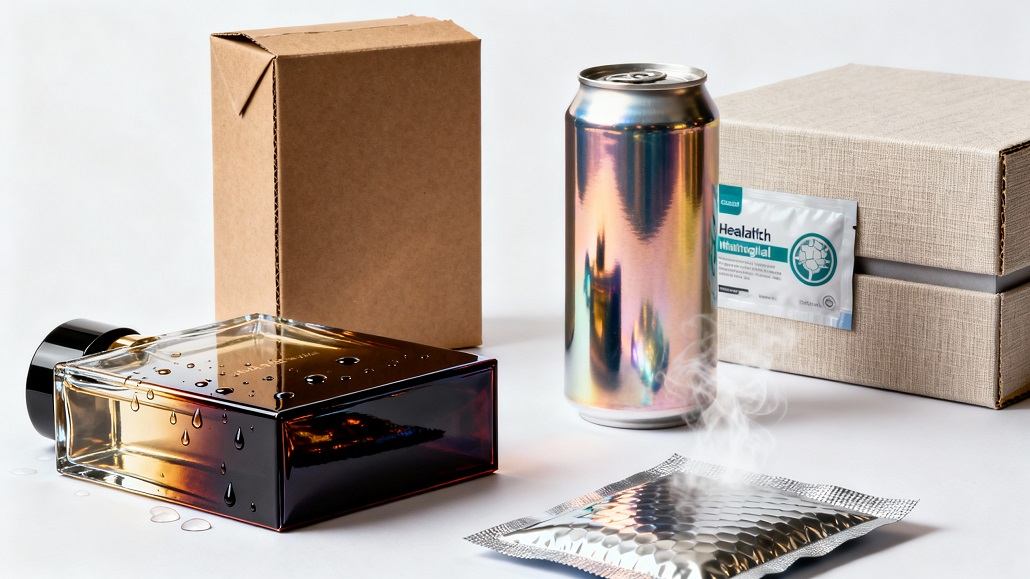
On the aesthetic side, matte and gloss coatings remain the most widely deployed. High-gloss overprint varnishes create mirror-like surfaces that intensify color density and highlight photographic imagery. They are particularly effective for cosmetic, premium beverage, and personal care applications where high sheen is associated with luxury. In contrast, ultra‑matte coatings scatter light to reduce reflection, creating a refined, velvety appearance that aligns with minimalist and natural brand identities. Converters often combine spot gloss on a matte background, selectively highlighting logos or hero visuals to create dimensional contrast on shelf.
Tactile and soft‑touch coatings take visual enhancement a step further by engaging the sense of touch. These formulations create surfaces that feel like rubber, velvet, or paper‑smooth textures, reinforcing premium positioning when consumers pick up the pack. Soft‑touch coatings are especially popular in cosmetics, high-end electronics, and specialty food categories, where the tactile impression strongly influences perceived product value. Sand, linen, or leather-like textures can be introduced through micro‑embossing combined with coatings, giving even paperboard substrates a tactile richness normally associated with more expensive materials.
Metallic coatings and effect varnishes enable brands to achieve shimmering, reflective highlights without always resorting to metallic foils or metallized films. Metallic effect coatings use fine metallic pigments or mica-based particles suspended in a transparent or tinted medium, creating localized sparkle or overall metallic sheens on logos, typography, or decorative borders. These effects enhance shelf appeal while maintaining recyclability when used carefully on paper-based substrates. By applying metallic finishes selectively, converters can reduce material costs and environmental impact compared to full-surface foil blocking, while still delivering a premium feel.
Beyond aesthetics, functional coatings play a central role in protecting printed surfaces and packaged products. Anti‑scuff and abrasion-resistant coatings are designed to minimize visible damage during production, packing, and distribution, particularly for darker or highly saturated designs where scratches show easily. These formulations improve slip characteristics and surface hardness, preventing minor abrasions that can dull graphics before products reach shelves. Such coatings are especially important for e‑commerce packaging, large-format displays, and multi-touch retail packs that pass through complex handling processes.
Moisture‑barrier coatings address environments where humidity or condensation can degrade packaging integrity or graphics. These coatings add a hydrophobic surface layer that reduces water absorption into paper and corrugated substrates, preserving stiffness, print quality, and legibility. In chilled food and beverage applications, moisture-resistant coatings prevent swelling, warping, or ink bleeding caused by condensation. For flexible packaging, specialized over-lacquers further enhance barrier properties alongside the underlying films, helping sensitive products maintain shelf life and appearance under challenging climatic conditions.
Heat‑resistant coatings support applications where packaging is exposed to elevated temperatures, such as microwaveable trays, oven‑ready formats, or hot‑fill processes. These formulations maintain adhesion, color stability, and mechanical integrity under heat, preventing blistering or discoloration that could otherwise occur. In practice, heat-resistant coatings expand design freedom for brands that want premium print quality on packs that must withstand heating, allowing them to compete on both functionality and presentation.
In the context of hygiene and safety, antimicrobial coatings have gained attention, particularly in healthcare, foodservice, and high-contact packaging. These coatings incorporate active agents that inhibit the growth of bacteria on the packaging surface, reducing bioburden between production and end use. While they do not replace proper sanitation or food safety practices, they offer an additional layer of reassurance for consumers and stakeholders. Implementing antimicrobial coatings requires careful regulatory review, as active substances must comply with regional biocidal and food-contact regulations.
From a technical perspective, the performance of specialty coatings for packaging heavily depends on the interaction between formulation, substrate, and printing process. Coatings developed for coated paperboard may behave differently on uncoated kraft or recycled corrugated, affecting gloss level, adhesion, or cure performance. Similarly, UV-curable coatings behave differently from water-based systems in terms of slip, flexibility, and resistance, especially when downstream die‑cutting, creasing, or folding is involved. Converters need to validate that coatings will not crack at fold lines, delaminate during forming, or interfere with hot‑melt adhesives and sealing systems.
Coating application methods also influence results. Inline coating units on offset, flexo, or digital presses allow for wet‑on‑wet or wet‑on‑dry application, changing gloss and texture outcomes. Off-line coaters offer more flexibility for multiple passes or thicker applications when deeper textures or higher resistance levels are required. In all cases, process parameters such as coat weight, temperature, and curing intensity must be optimized to achieve the desired finish without causing defects like orange peel, streaking, or uneven sheen.
Sustainability has become a critical lens through which coating choices are evaluated. Water-based formulations with low volatile organic compound (VOC) emissions are increasingly preferred to solvent-based alternatives, especially in jurisdictions with strict emissions regulations. Coatings that maintain recyclability or repulpability of paper-based substrates are favored over those that create hydrophobic barriers difficult for paper mills to process. Brands and converters are working closely with coating suppliers to develop solutions that balance aesthetics, protection, and responsible end-of-life performance.
For brand owners, the strategic value of specialty coatings lies in their ability to differentiate without fundamental structural changes. A standard folding carton can be transformed into a premium pack simply by adding soft‑touch and spot gloss accents. Similarly, a paper-based e‑commerce shipper can gain extra durability and moisture resistance with appropriate functional topcoats. This incremental approach allows companies to test and iterate on visual and performance enhancements without fully redesigning packaging architectures.
Ultimately, specialty coatings give packaging teams a nuanced toolkit for tuning how packs look, feel, and perform in the real world. The most successful implementations come when design, production, and technical teams collaborate early, aligning creative ambitions with substrate capabilities and manufacturing realities. When that alignment is achieved, coatings not only boost shelf impact but also extend functional lifespan, improve consumer experience, and support robust, resilient packaging systems across supply chains.