





















Key Takeaways:
- The transition toward a circular economy is being accelerated by the integration of recyclable materials and regenerative design principles, ensuring that packaging remains within the value chain rather than ending up in landfills. This shift is not merely a compliance measure but a strategic move by global brands to align with the growing consumer demand for transparent and eco-friendly packaging solutions.
- Packaging innovation is now focusing on the elimination of single-use plastics in favor of biodegradable polymers and fiber-based alternatives. By prioritizing green packaging, industries are significantly reducing their carbon footprints while simultaneously enhancing brand loyalty among environmentally conscious demographics who view sustainable choices as a non-negotiable standard for modern commerce and ethical consumption.
The global landscape of product distribution is currently witnessing a profound metamorphosis. For decades, the primary objective of packaging was utility and cost-efficiency, often at the expense of environmental health. However, a new era has dawned where the intersection of environmental stewardship and industrial pragmatism is giving birth to sustainable packaging trends that are fundamentally altering how goods are encased, transported, and perceived by the end-user. This evolution is driven by a combination of rigorous legislative mandates, a surge in corporate social responsibility, and a vocal consumer base that demands more than just a quality product they demand a clean conscience.
The Rise of the Circular Economy and Recyclable Materials
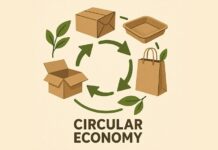
At the heart of this transformation lies the concept of the circular economy. Traditional linear models of “take-make-dispose” are being replaced by systems designed to recover and regenerate products and materials. The adoption of recyclable materials is no longer a niche preference; it is the cornerstone of modern packaging innovation. Companies are investing heavily in mono-material structures that simplify the recycling process, moving away from complex multi-layered plastics that have historically proven impossible to sort or reprocess. This shift ensures that the lifecycle of a package does not end at the trash bin but serves as the feedstock for future production cycles.
Transitioning Beyond Single-Use Plastics
The movement away from petroleum-based plastics is perhaps the most visible aspect of these sustainable packaging trends. We are seeing a remarkable influx of bio-based polymers derived from corn starch, sugarcane, and even seaweed. These eco-friendly packaging options provide the durability required for shipping while ensuring that the environmental impact is minimized.
The Advent of Mycelium and Seaweed-Based Alternatives
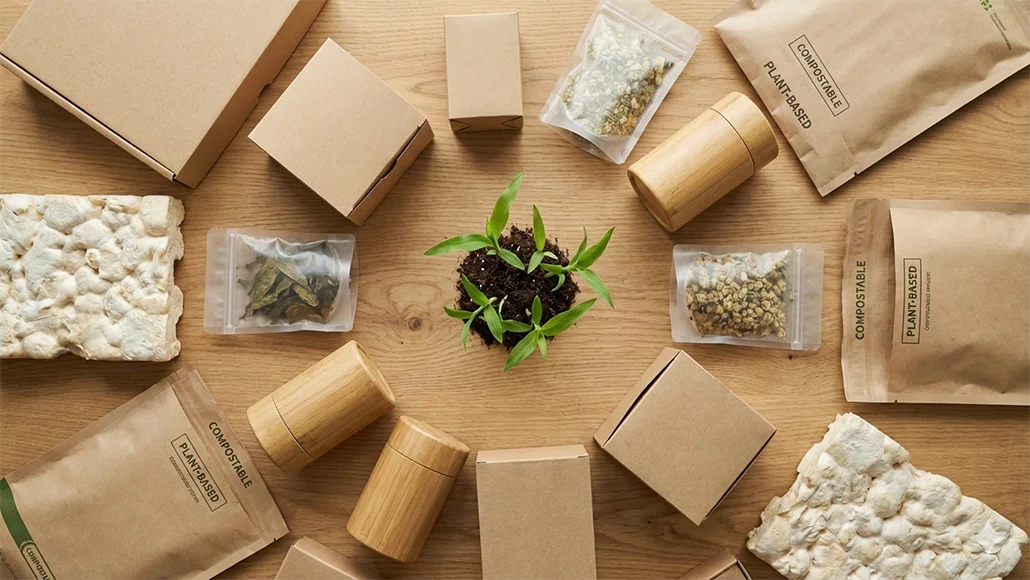
In the quest for true sustainability, scientists are looking toward nature’s own engineers. Mycelium packaging grown from the root structure of mushrooms is emerging as a powerful alternative to expanded polystyrene (Styrofoam). This material is not only biodegradable but home-compostable, meaning it breaks down into nutrient-rich soil within weeks. Similarly, seaweed-based films are providing a solution for sachets and thin-film wraps. These materials are edible and dissolve in water, representing a pinnacle of sustainable solutions that leave zero trace behind.
The Impact of Minimalist Design and Material Reduction
Reduction is the most effective form of sustainability. The industry is gravitating toward “lightweighting,” a process where the volume of material used in a container is reduced without compromising its protective qualities. By utilizing sophisticated green packaging techniques, designers are able to create structures that are both incredibly thin and remarkably strong.
Engineering Strength Through Geometric Innovation
The secret to material reduction often lies in the geometry of the package. By utilizing honeycombed structures or arched architectural principles, packaging innovation allows for thinner walls in plastic bottles or less fiber in cardboard boxes without risking collapse during stacking. This reduction in weight has a cascading effect on the entire supply chain, leading to lower fuel consumption during transport and a significant decrease in the overall carbon footprint of the product. It represents a synergy where economic efficiency meets environmental preservation.
Consumer Perception as a Catalyst for Green Packaging
The modern consumer is more informed and more critical than ever before. There is a palpable shift in brand loyalty, where shoppers are increasingly likely to abandon a preferred brand if its packaging is perceived as wasteful or harmful. Sustainable solutions have therefore become a vital component of brand identity. When a consumer sees a “compostable” or “100% recycled” label, it establishes an immediate emotional connection and a sense of shared values. This psychological alignment is a powerful driver for sustainable packaging trends, as it creates a competitive advantage for companies that take the lead in environmental innovation.
The Role of Transparency and Honest Labeling
As consumers become savvier, the risk of “greenwashing” has increased. Authentic sustainable packaging trends are characterized by radical transparency. This involves providing clear data on the carbon footprint of the packaging and explicit instructions on how to dispose of it.
Navigating the Complexities of Global Recycling Symbols
One of the greatest challenges in recyclable materials is the lack of standardized labeling. Forward-thinking brands are now adopting “How2Recycle” labels that provide specific, localized instructions. By demystifying the recycling process, brands empower consumers to participate in the circular economy, ensuring that the packaging innovation actually achieves its environmental goals rather than ending up in a landfill due to consumer confusion.
Corporate Responsibility and Global Compliance
Beyond the consumer’s influence, international regulatory bodies are tightening the noose on plastic waste. From the European Union’s Plastic Pact to various state-level bans in the United States, the legal framework is mandating a shift toward sustainable packaging trends. Corporations are no longer viewing these regulations as hurdles but as frameworks for future-proofing their operations.
Investing in Future-Proof Packaging Innovation
Innovation is the engine of this transition. Research and development teams are exploring “smart” sustainable materials that can change color when a product is no longer fresh, reducing food waste alongside packaging waste. Others are looking into “edible packaging” for small-scale consumer goods, effectively eliminating waste entirely.
The Economics of the Sustainable Transition
While the initial investment in green packaging can be higher, the long-term ROI is becoming undeniable. Sustainable solutions reduce the risk of future plastic taxes, lower shipping costs through lightweighting, and significantly enhance brand equity. In a market where ESG (Environmental, Social, and Governance) scores influence investor behavior, having a robust strategy for sustainable packaging trends is a prerequisite for financial stability.
Technological Advancements in Material Science
The future of packaging is being written in the laboratory. Advanced chemical recycling is one such breakthrough that is transforming the industry. Unlike mechanical recycling, which degrades the quality of plastic over time, chemical recycling breaks plastics down to their molecular level.
Molecular Recycling and the Infinite Loop
This technology allows for the creation of “virgin-quality” plastic from post-consumer waste that was previously unrecyclable. By integrating these recyclable materials back into the production line, companies can maintain the performance standards of traditional plastics while drastically reducing their reliance on fossil fuels. This is a critical component of the sustainable packaging trends that will dominate the next decade, providing a bridge between high-performance needs and environmental imperatives.
Carbon Capture and Packaging Production
Perhaps the most futuristic trend is the development of packaging made from captured carbon emissions. By utilizing microbes that “eat” carbon dioxide and convert it into biopolymers, manufacturers can create eco-friendly packaging that is actually carbon-negative. This turns a greenhouse gas into a physical resource, effectively utilizing the atmosphere as a feedstock for the next generation of green packaging.
The Human Element: Changing Habits and Mindsets
Ultimately, the success of these sustainable packaging trends relies on a shift in human behavior. It is not enough to simply change the material; we must also change how we interact with the things we buy.
Refillable and Reusable Models
We are seeing a resurgence of the “milkman” model, where durable packaging is returned to the manufacturer, cleaned, and refilled. This represents the ultimate form of sustainable solutions, as it eliminates the need for waste production entirely. Brands in the personal care and home cleaning sectors are leading this charge, offering stylish, permanent containers that consumers take pride in owning.
Designing for Longevity and Purpose
Designers are now tasked with creating objects that people don’t want to throw away. When a package is beautiful, functional, and durable, its perceived value changes. It is no longer “trash”; it is a tool. This philosophical shift is at the heart of packaging innovation, moving us away from a culture of convenience toward a culture of stewardship.
A Holistic Vision for the Future
As we look toward the 2030 sustainability goals set by many global corporations, the path is clear. The integration of sustainable packaging trends is not a choice but a necessity for survival. The transition requires collaboration across the entire value chain from material scientists and designers to logistics experts and consumers.
By prioritizing recyclable materials, embracing green packaging, and investing in continuous packaging innovation, we are doing more than just protecting products; we are protecting the future of our planet. The sustainable solutions of today are laying the groundwork for a world where commerce and nature exist in a balanced, regenerative harmony, ensuring that the legacy of our industrial age is one of wisdom rather than waste.