


















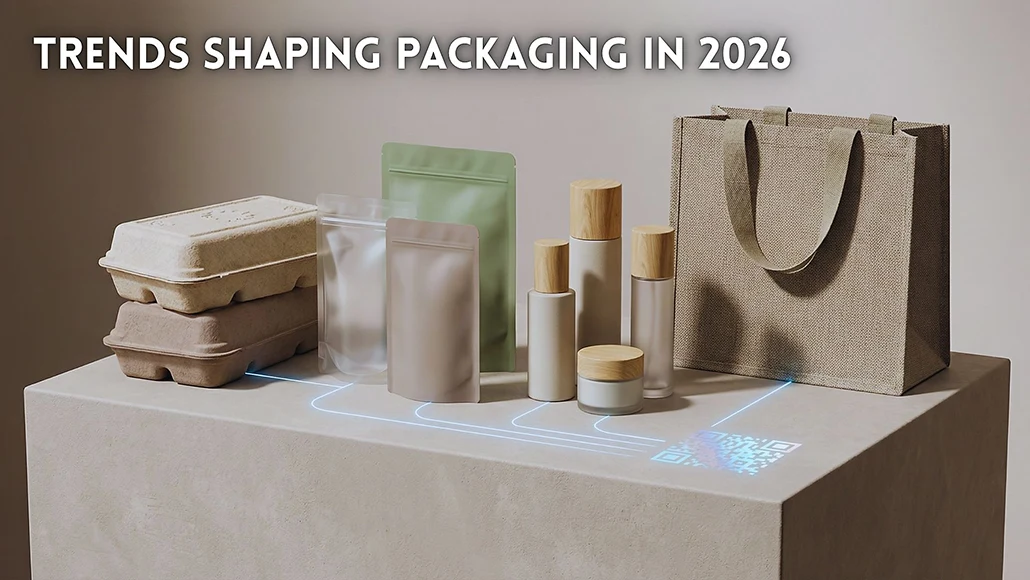

The packaging sector enters 2026 at a turning point. New regulations, shifting consumer expectations, updated brand strategies and rapid advances in technology are coming together to change what “good packaging” needs to achieve. As these pressures combine, packaging is no longer just a cost , it is a strategic priority. Companies that understand these shifts now will be better positioned to stay compliant, protect their brand and meet demand across food, cosmetics, industrial goods and e-commerce.
Sustainable packaging, smart packaging, evolving packaging design, and new labelling requirements together form the core strategic agenda. These areas are now tightly interlinked with regulatory frameworks such as the EU’s Packaging and Packaging Waste Regulation (PPWR) and accelerating corporate commitments to climate and circularity. At the same time,circular Packaging models are reshaping investment priorities and supply-chain partnerships. Against this backdrop, the most competitive players are treating packaging as a strategic interface between brand, consumer, and regulator, rather than a cost to be managed at the end of the value chain.
1. Sustainability: From Intent to Implementation
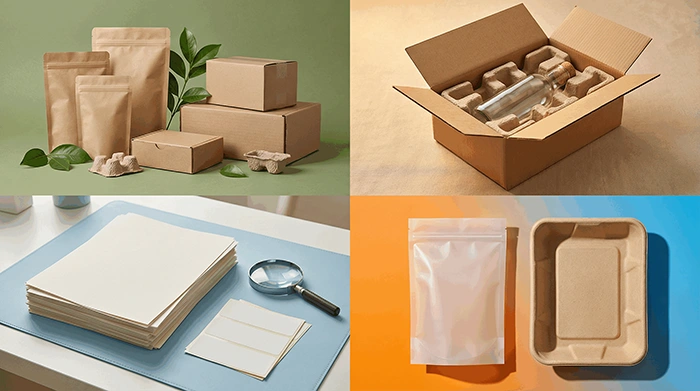
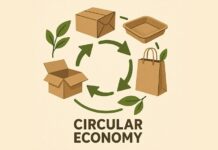
Sustainability is the dominant driver among packaging trends in 2026, but its meaning has become far more concrete. The focus has shifted from generic “green” claims to demonstrable improvements in material selection, design for recycling, and alignment with fast-tightening regulations. Fibre-based solutions, mono-material structures, and circular design frameworks are now central to how leading players shape future packaging demand.
Fibre-Based Packaging Gains Strategic Momentum
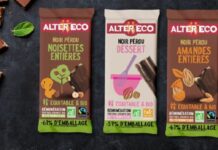
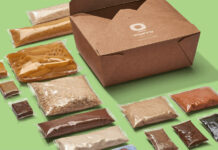
One of the clearest signals is the rise of fibre-based packaging for e‑commerce and retail, designed to protect glass bottles in online distribution while eliminating plastic and optimizing recyclability across established paper recovery streams. This development reflects how paper packaging is being positioned as a credible alternative to plastic packaging in many applications, especially where corrugated and molded fibre can combine performance, branding, and circular recovery. Such examples validate the strategic role of fibre-based Packaging Materials in the transition to eco-friendly packaging formats across beverages, consumer goods, and subscription models.
Regulation Pushes Industry Toward True Circularity
Regulation is amplifying these shifts. The EU’s PPWR for food packaging, entering into force and becoming fully binding across member states, is a central reference point for packaging trends in 2026. It mandates recyclability, harmonised labelling, and progressive restrictions on hazardous substances such as PFAS and BPA in Food Packaging, alongside recycled content targets and reuse obligations. For global brands, this regulation is not limited to Europe; it effectively sets a de facto global benchmark that influences specifications in North America, Asia-Pacific, and beyond. Concurrently, the European Council’s postponement of certain chemical packaging and labelling provisions under the updated CLP framework to a later date gives industry more time to adapt, but does not dilute the direction of travel toward stricter material disclosure, hazard communication, and labelling consistency. Together, these rules are forcing companies to prioritise truly recyclable packaging and to treat compliance as a strategic design input from the outset.
Mono-Material Systems Emerge as the Most Scalable Solution
Mono-material packaging has emerged as one of the most pragmatic responses to this landscape. The industry has progressed from early trade-offs to highly engineered mono-material systems that deliver barrier performance, sealability, and line efficiency without the complexity of multi-material laminates. By designing within a single polymer family and using orientation, surface treatments, and advanced formulations, converters can deliver flexible Packaging formats, such as stand-up pouches, flow wraps, and lids, that are compatible with mainstream recycling while maintaining product protection. This move towards mono-material structures is a defining feature of packaging trends in 2026, particularly for brand owners seeking to future‑proof portfolios against recyclability criteria, eco‑modulated fees, and Extended Producer Responsibility (EPR) schemes.
2. Smart Packaging: Intelligence, Interactivity, and Traceability at Scale
Smart Packaging has moved from pilot projects to mainstream strategic investment. As documented in the smart packaging market overview, the sector is evolving into a platform for intelligence, engagement, and operational efficiency, reflecting key packaging trends in 2026. The integration of IoT, edge sensors, QR codes, NFC, and cloud analytics is turning packaging into a data-rich interface that enhances supply chain resilience, brand protection, and consumer experience in multiple categories, with food packaging and pharmaceuticals leading the way.
Digital Identities Strengthen Transparency and Anti-Counterfeiting
On the market side, smart packaging growth is being driven by three converging needs: transparency, anti‑counterfeiting, and supply-chain optimisation. Connected packaging formats embed digital identities and cryptographic signatures into paper packaging, plastic packaging, glass and metal enabling frictionless authentication and real-time monitoring. For fast-moving consumer goods, invisible signatures and QR-enabled connected packs are being used to combat fakes, provide dynamic promotional content, and capture first-party data at the point of use. This kind of packaging innovation is particularly relevant in regulated categories and premium brands, where authenticity and traceability are non-negotiable.
Interactive Packaging Bridges Physical Packs with Digital Worlds
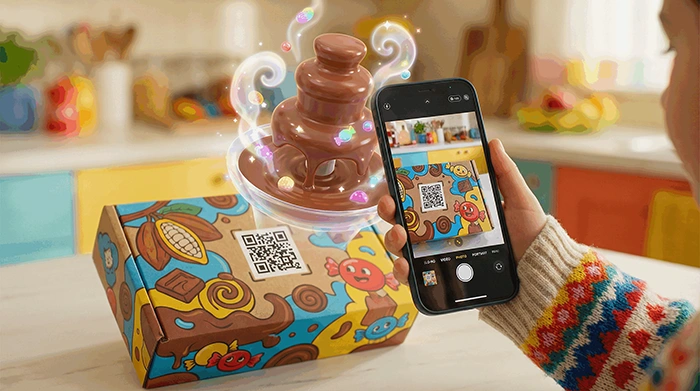
From a consumer’s perspective, interactive packaging is increasingly defined by the use of QR codes, AR, and 3D virtual experiences. Recent campaigns in food and beverages demonstrate how brands can unlock immersive storytelling and personalised engagement: for instance, AR-enabled bottles and packs that reveal recipes, games, or virtual worlds when scanned, or limited-edition launches where QR codes link to AI-powered experiences and co-creation campaigns. These use cases show how packaging trends in 2026 are blending physical packs with digital ecosystems, transforming packaging design into a dynamic media surface rather than a static label.
IoT-Driven Monitoring Enhances Cold Chain and High-Value Logistics
Supply-chain intelligence is another powerful dimension. IoT and edge sensors embedded in packaging or transport units are enabling continuous monitoring of temperature, humidity, shock, and location, particularly in cold-chain and high-value segments. This is particularly critical for food packaging, pharmaceuticals, and chemical products, where excursions can compromise safety and compliance.
3. Packaging Design Trends: Minimalism, Structure, and Personalisation
Design is no longer just about shelf impact; it is now a strategic instrument for clarity, sustainability, and brand identity. In 2026, leading packaging design trends can be grouped into three reinforcing themes: minimalism, structural innovation, and customisation.

Minimalism continues to shape premium and mass segments alike, particularly in beauty and wellness. Minimalist Packaging Design aligns naturally with eco-friendly packaging because it often reduces inks, coatings, and unnecessary secondary components, thereby simplifying recycling and improving the perception of responsibility. For packaging professionals, minimalism is not only an aesthetic choice but a way to reconcile regulatory demands, sustainability targets, and brand clarity in a crowded marketplace.
Shape and Typography Become Primary Differentiators
Shape and typography are also emerging as distinctive tools for differentiation within constrained regulatory and sustainability frameworks. As structural formats move toward more standardised, recyclable packaging and mono-material systems, brands are using silhouette, tactility, and type hierarchy to signal function and quality. Distinctive bottle geometries, ergonomic pouches, and stackable forms are being used to express brand personality without compromising recyclability or line performance. Typography, in turn, is being optimised for legibility and clarity, supporting the growing emphasis on transparent communication of ingredients, usage, and sustainability credentials.
Personalisation Scales Through Digital Printing and Data
Customised and personalised packaging is another hallmark of packaging trends in 2026. Enabled by digital printing and data-driven marketing, brands across food, beverages, cosmetics, and e‑commerce are deploying limited editions, name-personalised packs, and occasion-based designs to create memorable unboxing moments and social-media-ready experiences. In e‑commerce, this may involve tailored inserts, on-demand printed exterior messages, or co‑branded collaborations that turn each parcel into a micro-campaign. In physical retail, personalised formats support loyalty programmes and regional targeting.
4. Labelling Trends: Transparency, Regulation, and Digital Extension
Labelling is rapidly evolving from a static compliance exercise into a strategic communication and traceability tool. Globally, regulators are tightening requirements around environmental claims, chemical disclosure, and consumer information, particularly in food Packaging and chemical sectors.
Harmonised EU Labelling Sets Global Packaging Standards
In Europe, the PPWR introduces harmonised labelling for packaging, requiring clear, pictogram-based information on material composition, recyclability, and reusability, often complemented by QR codes linking to more detailed digital information. This framework is designed to reduce consumer confusion, improve sorting, and combat greenwashing, particularly for eco-friendly packaging claims. The emphasis on a unified approach means that multinational brands will likely align global labelling systems around these standards, even in markets where regulation is still catching up, to streamline design and avoid fragmented inventories.
Consumers Demand Clearer, More Granular On-Pack Detail
Consumer behaviour trends are reinforcing these regulatory changes. With rising concern over lifestyle-related health issues, allergens, and additives, ingredient-conscious consumers are scrutinising labels more closely than ever, especially on food packaging. They expect clear, legible ingredient lists, nutritional transparency, and straightforward information on origin, processing, and sustainability attributes. Smart labels and QR codes are increasingly used to reconcile the tension between limited on-pack real estate and growing information demands. For example, a simple front-of-pack design can be paired with a QR-linked microsite that provides extended information on ingredient sourcing, allergen management, certifications, and end-of-life instructions.
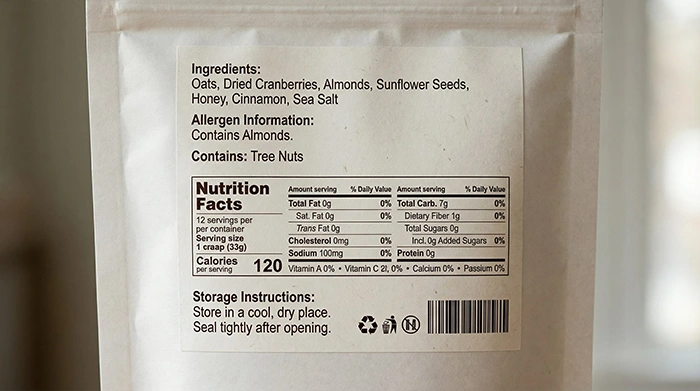
Labelling requirements are also expanding in relation to environmental performance. New rules in several markets require mandatory environmental labelling indicating recycling streams, reuse options, and in some cases restrictions on generic terms such as “environmentally friendly” unless supported by verifiable data. For brands, this pushes labelling strategy into the heart of ESG communication and risk management.
5. Reusable packaging: durable formats with branding power
Reusable packaging is becoming an important part of packaging trends in 2026. It stands alongside recyclability, fibre-based formats, and mono-material structures as a key focus for brand owners and retailers. Instead of thinking only in terms of single-use packs, more companies are now designing packaging that can be used many times, with durability, attractive design, and ease of use built in from the start.
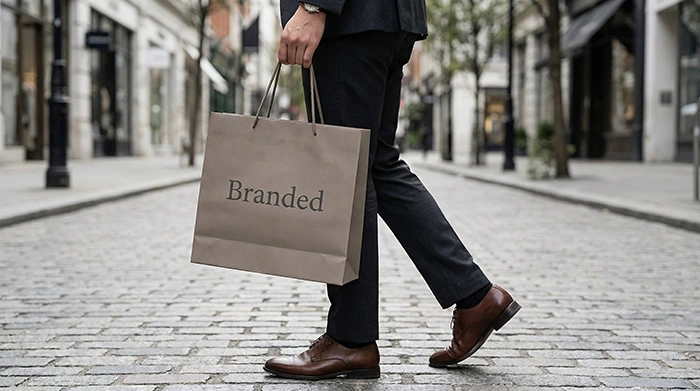
Reusable packaging has now become a subtle but powerful trend as long-lasting e‑commerce and retail bags and containers that stay in consumers’ daily lives. When a delivery bag or shipper is strong, practical and visually appealing enough to be reused for shopping, storage, or travel, it becomes a mobile brand asset instead of simple waste. In a circular economy model, this type of durable packaging reduces the need for new materials and keeps the brand visible for a much longer period, turning packaging from a short-lived cost into a long-term touchpoint.
For packaging teams, this means reusable formats now sit at the crossroads of sustainability, design, and marketing. Materials and structures must withstand repeated use, while still fitting into recycling or take-back systems at the end of life. Brands are also starting to combine reusable packaging with digital features such as QR codes or smart labels that can explain how to care for the pack, reward repeat use, or connect to loyalty programmes. In practice, reusable packaging is becoming a visible expression of eco-friendly and circular strategies, and a practical way to support both environmental goals and brand strength within packaging trends in 2026.
Conclusion
Taken together, these developments show that packaging trends in 2026 are not isolated movements, but interdependent shifts that collectively redefine how the packaging industry operates. Sustainability, smart packaging, design, and labelling now form a tightly integrated agenda that guides future packaging demand across markets and categories.
For sustainability, the direction is clear: sustainable packaging is becoming more fibre-based, more mono-material, and more deeply embedded in packaging strategies. Companies that treat these choices as core business strategy, rather than marketing accessories, will be best positioned to maintain access to tightly regulated markets and to meet stakeholder expectations.
In smart and connected systems, Smart Packaging is evolving from experimental to essential. The winning approaches will be those that integrate IoT, digital printing, and data analytics into scalable solutions that deliver tangible benefits like reduced waste, fewer counterfeits, higher transparency, and more meaningful consumer engagement. As smart packaging matures, it will increasingly intersect with circular packaging, helping track material flows, authenticate recycled content, and inform design improvements over time.
On the design and labelling front, the most resilient brands will embrace a disciplined approach: using minimalist design principles to enhance clarity, relying on shape and typography for differentiation, and deploying digital labelling to handle complexity without overwhelming the physical pack. As ingredient-conscious and sustainability-aware consumers continue to scrutinise food packaging and beyond, transparent, data-backed labelling will become a core trust-building mechanism rather than a compliance afterthought.
For leaders across the Packaging Industry, the mandate is therefore multidimensional. Success will depend on orchestrating sustainable packaging choices, embracing smart packaging where it delivers real value, shaping packaging design that is both distinctive and compliant, and building labelling systems that inform, protect, and engage. Those who can align these elements coherently will not only navigate the regulatory and competitive pressures of today, but will also help set the benchmark for packaging trends in 2026 and the decade that follows.