























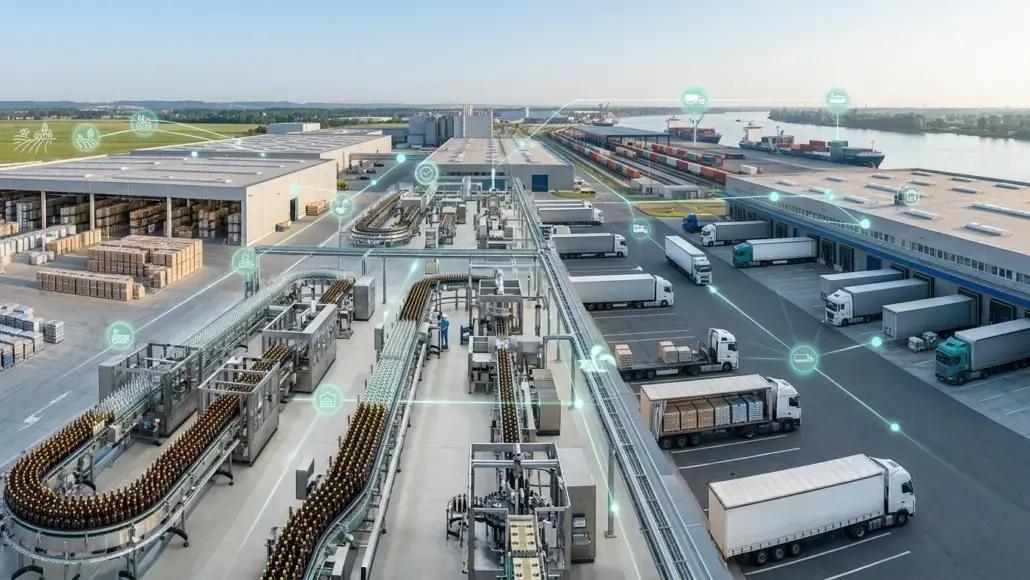
The modern beverage supply chain is a sprawling, global network where a single bottle might contain ingredients sourced from five different continents. In this complex environment, the ability to account for the origin, journey, and safety of every unit is a critical strategic imperative. Traceability systems strengthening beverage supply chains have moved from being a regulatory “box-to-check” to a foundational element of brand equity and operational resilience. As consumers demand more information about the ethical and ecological footprint of their purchases, and as regulators sharpen their focus on food safety, the implementation of robust, digital tracking solutions has become the hallmark of industry leadership.
Digital Tracking and the Integration of Blockchain Technology
The core of traceability systems strengthening beverage supply chains lies in the creation of a “digital twin” for every physical product. This is achieved through the use of unique identifiers, such as GS1-compliant barcodes, QR codes, and RFID tags, which are scanned at every node of the supply chain. This data is then recorded in a centralized or decentralized ledger, creating an immutable history of the product’s life. The emergence of blockchain technology has provided a significant leap forward in this regard, offering a tamper-proof record that can be shared across multiple stakeholders from farmers and processors to distributors and retailers without the need for a central intermediary.
This “decentralized trust” is particularly valuable for verifying claims such as “organic,” “fair trade,” or “sustainably sourced.” By providing a verified audit trail that traces a beverage back to the specific farm or vineyard where the ingredients were grown, traceability systems strengthening beverage supply chains eliminate the “information gap” that has traditionally plagued global trade. For the manufacturer, this means absolute certainty about the quality and provenance of their raw materials. For the consumer, it provides the transparency needed to make informed and ethical choices, fostering a deeper emotional connection with the brand.
Recall Efficiency and Public Health Protection
Perhaps the most vital function of traceability systems strengthening beverage supply chains is the management of product recalls. In the event of a quality issue or a safety concern, every second counts. Traditional, paper-based tracking methods often took days or even weeks to identify the scope of a problem, leading to massive waste and prolonged public health risks. Modern digital systems allow manufacturers to perform “surgical” recalls within minutes. By identifying the specific batches affected and tracking their exact location in the retail network, companies can remove only the compromised units, minimizing financial loss and protecting their reputation.
This level of precision is also a major driver of regulatory compliance. Laws such as the Food Safety Modernization Act (FSMA) in the United States and similar frameworks in Europe mandate a high level of traceability across the entire food and beverage sector. Facilities that cannot demonstrate an unbroken chain of custody face significant legal and financial penalties. Traceability systems strengthening beverage supply chains thus act as a powerful insurance policy, providing the data needed to satisfy auditors and regulators while ensuring that the brand remains a responsible and trusted actor in the global marketplace.
Data-Driven Logistics and Operational Optimization
Beyond safety and trust, traceability systems strengthening beverage supply chains are powerful tools for operational efficiency. By providing real-time visibility into the movement of goods, these systems allow logistics managers to identify bottlenecks, optimize shipping routes, and reduce inventory levels. If a shipment of glass bottles is delayed at a port, the system can automatically adjust production schedules to avoid downtime. This level of agility is essential in a market characterized by volatile supply chains and fluctuating consumer demand.
Moreover, the integration of traceability with warehouse management systems (WMS) ensures a perfect “First-In, First-Out” (FIFO) rotation of stock. This is critical for beverages with limited shelf lives, ensuring that the oldest products are always moved first and reducing the risk of product expiration. The data gathered by traceability systems strengthening beverage supply chains also provides invaluable insights into consumer behavior. By analyzing which products are moving fastest in which regions, brands can refine their marketing and distribution strategies, ensuring that the right product is always in the right place at the right time.
Consumer Engagement through Interactive Packaging
The final link in the chain of traceability is the consumer. By scanning a QR code on a bottle, a customer can access a wealth of information about the product’s journey. They might see the carbon footprint of the package, the harvest date of the ingredients, or even a video from the grower. This “narrative” transparency is a powerful tool for brand storytelling, transforming a simple beverage into a window into a wider world of ethics and quality. Traceability systems strengthening beverage supply chains thus bridge the gap between the industrial factory and the kitchen table, creating a more connected and accountable beverage ecosystem.
The Future of Predictive Traceability
As we look toward the future, the integration of Artificial Intelligence with traceability data will lead to “predictive” supply chain management. AI algorithms will be able to analyze historical tracking data to predict future disruptions, suggest more sustainable sourcing alternatives, and even identify potential quality risks before they manifest. Traceability systems strengthening beverage supply chains will thus evolve from a reactive record of the past to a proactive guide for the future, ensuring that the industry remains resilient, transparent, and trusted for generations to come.
In conclusion, the strengthening of the beverage supply chain through advanced traceability is a fundamental shift in the nature of global trade. By embracing digital technology and a culture of transparency, manufacturers are building a more secure and efficient world. Traceability systems strengthening beverage supply chains are the foundation of modern brand integrity, providing the proof that quality and responsibility are not just slogans, but measurable realities that define the future of the industry.

