





















The Strategic Necessity of Track and Trace Software Packaging Industry
The modern global supply chain is a sprawling, incredibly multi-layered web that connects manufacturers, specialized raw material providers, distributors, retailers, and billions of consumers across thousands of miles and diverse regulatory jurisdictions. In such a high-stakes environment, the loss of visibility into product movement is not just a minor operational inefficiency it is a major security risk, a financial drain, and a potential threat to public safety. Track and trace software packaging industry solutions have emerged as the primary and most essential tool for maintaining order, integrity, and safety in this complex global ecosystem. By creating a continuous “digital thread” that follows a physical product from the exact moment it is packaged until it is scanned at the final point of sale, these systems provide the radical transparency required to navigate modern market challenges. From preventing the infiltration of sophisticated counterfeit goods to ensuring absolute compliance with strict international regulations, the role of serialization and digital tracking has never been more critical to the survival and growth of a global brand.
The Mechanics of Serialization and Hierarchical Aggregation
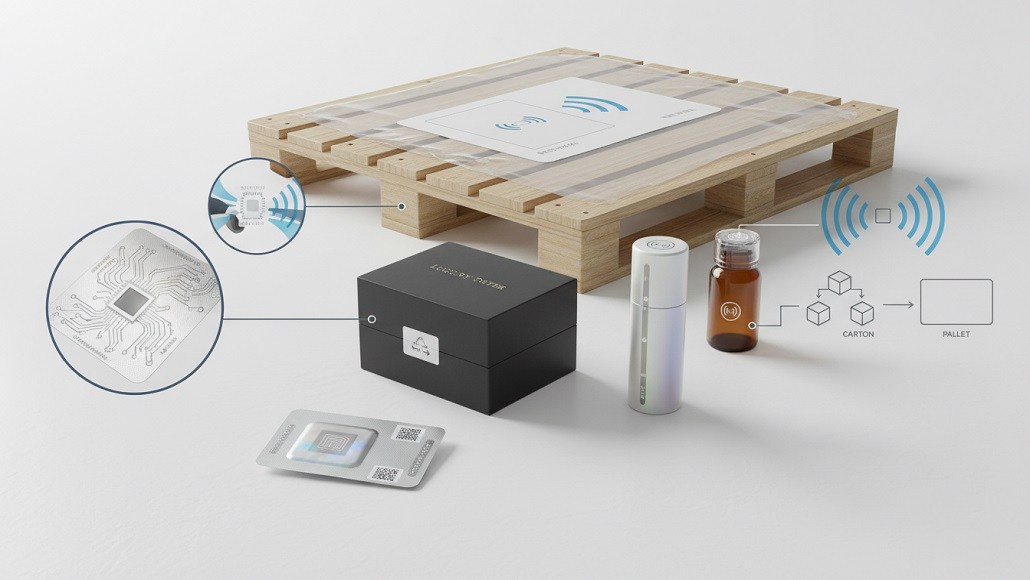
At the very core of any high-performance track and trace software is the rigorous process of serialization. This involves assigning a unique, non-repeating, and cryptographically secure serial number to each individual package, usually in the form of a 2D Data Matrix, a serialized barcode, or an embedded RFID tag. However, the true industrial power of the system lies in what is known as “hierarchical aggregation” the ability to digitally link the unique serial numbers of individual units to the serial number of the carton they are packed in, and then link those cartons to the pallet that holds them. This nested data structure allows a logistics provider or warehouse manager to scan a single pallet label and instantly know with 100% certainty exactly which individual units are inside without ever needing to open a box. This level of granular detail is the technical foundation of modern packaging industry traceability, enabling high-speed automated logistics and precise, real-time inventory management at every single node of the global supply chain, from the factory floor to the regional distribution center.
Navigating the Landscape of Global Regulatory Compliance
In recent years, the primary driver for the rapid adoption of track and trace software packaging industry has been the introduction of increasingly stringent government mandates across the globe. Landmark laws such as the Drug Supply Chain Security Act (DSCSA) in the United States and the Falsified Medicines Directive (FMD) in the European Union require pharmaceutical companies to provide a complete, verifiable electronic history (or “pedigree”) of every single medication. These specialized packaging compliance software systems are designed to ensure that every “handoff” in the supply chain from manufacturer to wholesaler to pharmacy is documented, authenticated, and reported to a central regulatory database. Failure to comply can result in massive financial fines, total product seizures, and the permanent loss of the right to operate in key lucrative markets. By automating the massive data collection and reporting process, track and trace software allows global companies to meet these complex requirements with minimal impact on their actual operational speed and throughput.
Combating Counterfeiting and Gray Market Diversion
For brands in the high-value electronics, premium cosmetics, and luxury goods sectors, the threat of illicit trade is a constant and growing concern. Counterfeit products not only erode hard-earned brand equity but also pose significant risks to consumer safety, while gray market diversion where genuine products are sold in unauthorized territories or at unauthorized prices disrupts established pricing strategies and damages crucial dealer relationships. Track and trace software packaging industry solutions provide a definitive, data-driven answer to these problems. If a product is scanned at a retail location by a consumer or an investigator and the system shows that the specific unit was originally shipped to a completely different country or distributor, the brand owner can immediately investigate the leak in their distribution chain. This “proactive security” allows companies to protect their intellectual property and ensure that their authorized partners are not being undercut by illicit operators, effectively devaluing the business model of organized criminal syndicates.
Enhancing Supply Chain Visibility Solutions through Data Integration
While security and legal compliance are the most visible benefits, the massive amount of data generated by track and trace software provides immense strategic value for operational optimization and business intelligence. Modern supply chain visibility solutions allow logistics managers to identify bottlenecks, delays, and inefficiencies in real-time. For example, if a high-priority shipment is sitting in a customs warehouse or a port for longer than the historical average, the system can send an automated alert to the management team, allowing them to take corrective action before the delay impacts retail availability and customer satisfaction. Furthermore, the seamless integration of this tracking data with Enterprise Resource Planning (ERP) and Warehouse Management Systems (WMS) allows for significantly more accurate demand forecasting and automated inventory replenishment. By knowing exactly where every unit is at any given moment, companies can safely reduce their safety stock levels, freeing up millions in capital that would otherwise be tied up in overstocked warehouses.
The Role of the Consumer in the Traceability Ecosystem
In the last five years, the focus of track and trace software packaging industry has expanded significantly to include the end-consumer as an active participant in the security network. “Smart” packaging that features a consumer-scannable QR code or NFC tag allows the buyer to participate directly in the authentication process using their own smartphone. With a simple, frictionless scan, the consumer can see the product’s full “pedigree” including exactly when and where it was manufactured, the specific certifications of the raw materials used, and the total carbon footprint of its journey. This level of radical transparency is becoming a major market differentiator for brands operating in the “clean label,” organic, and ethical consumerism space. It turns the physical package from a simple, silent wrapper into a powerful source of information, storytelling, and trust, building a direct, high-value digital connection between the brand and the person using the product, which can be leveraged for future marketing and loyalty programs.
The Future: Blockchain and AI-Driven Traceability
Looking forward to the next generation of logistics, the evolution of track and trace software packaging industry will be driven by the integration of Blockchain technology and Artificial Intelligence. By storing serialization and event data on a decentralized, immutable blockchain ledger, brands can ensure that the record of a product’s journey is physically impossible to tamper with, falsify, or delete by any single party. This is particularly critical for high-stakes items like vaccines, critical aircraft components, or multi-million dollar luxury assets. Additionally, AI and Machine Learning will be used to analyze the vast amounts of tracking data generated every day to identify subtle patterns of fraud, predict future logistical anomalies, or optimize shipping routes for maximum fuel efficiency. We are moving toward a future of “autonomous transparency,” where the supply chain effectively monitors itself and provides a universal, mathematically guaranteed mark of authenticity for every single item in global commerce. The era of the anonymous, untraceable product is coming to a definitive end, replaced by a world of total visibility and accountability.
The Environmental Impact of Traceability
A less-discussed but equally vital benefit of track and trace software is its impact on sustainability. In a world where “Greenwashing” is a major concern, being able to prove the recycled content or the sustainable sourcing of a package is a significant advantage. Traceability software allows companies to track the life cycle of the packaging material itself. For example, a brand can use the software to ensure that the paper used in their boxes comes from a certified sustainable forest. In some regions, track and trace systems are being used to manage “extended producer responsibility” (EPR) schemes, where manufacturers are held responsible for the collection and recycling of their packaging after use. By knowing exactly how much material has been put into the market and where it has been sold, companies can more efficiently manage their recycling programs and report their progress to environmental regulators and the public, proving that their commitment to the planet is more than just a marketing slogan.
Conclusion: The Foundation of Modern Brand Trust
In summary, track and trace software is no longer a luxury for the few; it is the essential foundation of modern global brand trust. It provides the visibility needed to manage risk, the data needed to optimize operations, and the transparency needed to win the hearts of modern consumers. As the world becomes more connected and more complex, the ability to answer the simple question “Where is my product?” becomes a competitive necessity. Those companies that invest in robust, scalable traceability solutions today will be the ones that lead their industries tomorrow, operating with a level of confidence and integrity that only a fully serialized supply chain can provide. The digital thread of traceability is weaving a new, safer, and more efficient future for the packaging industry and beyond.