



























Transporting High-Value Cargo: Risk Mitigation and Security in Air Logistics
In the realm of air cargo transportation, few challenges are as complex and consequential as managing high-value shipments. From luxury goods and precious metals to advanced electronics and confidential prototypes, high-value cargo represents both tremendous opportunity and significant risk for logistics providers and their clients. The stakes extend far beyond monetary considerations, encompassing reputational damage, supply chain disruption, and legal liability that can impact organizations for years following a security incident.
The transportation of high-value goods by air requires a sophisticated understanding of risk factors, security protocols, and mitigation strategies that go well beyond standard cargo handling procedures. Success in this specialized field demands expertise in areas ranging from packaging technology and route planning to insurance coverage and regulatory compliance. As global trade in luxury goods, technology products, and specialized components continues expanding, the importance of secure, reliable high-value cargo transportation has never been greater.
Understanding High-Value Cargo Classifications
High-value cargo encompasses a broad spectrum of goods characterized by their monetary worth, strategic importance, or theft attractiveness. The traditional threshold of 1,000 USD per gross kilogram provides a baseline definition, but modern risk assessment considers factors including market demand, resale potential, and targeting probability by criminal organizations.
Luxury goods represent one of the most visible high-value categories, encompassing jewelry, precious metals, designer products, and collectibles. These items often combine high unit values with strong secondary markets, making them attractive targets for theft and requiring specialized security measures throughout the transportation process.
Advanced technology products, including semiconductors, telecommunications equipment, and aerospace components, present unique challenges due to their technical sensitivity and strategic importance. These items may require protection not only from theft but also from industrial espionage and unauthorized access to proprietary information.
Pharmaceutical products, particularly specialty medications and research compounds, combine high monetary values with strict regulatory requirements and temperature sensitivity. The transportation of these products requires coordination between security, regulatory compliance, and environmental control systems.
Financial instruments, documents, and data storage devices represent another category where value extends beyond monetary considerations to encompass confidential information and legal obligations. The loss or compromise of these items can have consequences far exceeding their replacement cost.

Comprehensive Risk Assessment Frameworks
Effective high-value cargo security begins with thorough risk assessment that evaluates threats across multiple dimensions and transportation phases. Threat analysis considers criminal targeting patterns, geopolitical factors, and route-specific risk indicators that may affect shipment security.
Geographic risk assessment evaluates security conditions along planned routes, including crime rates, political stability, and law enforcement capabilities. This analysis influences routing decisions, security resource allocation, and contingency planning for various threat scenarios.
Temporal risk factors consider timing implications including seasonal crime patterns, local events that may affect security, and coordination requirements for time-sensitive deliveries. Security planning must account for these temporal variables while maintaining operational efficiency.
Infrastructure risk evaluation examines the security capabilities and vulnerabilities of airports, cargo facilities, and transportation networks involved in the shipment. This assessment identifies potential weak points and informs security enhancement recommendations.
Internal risk assessment addresses personnel security, process vulnerabilities, and information management practices that could compromise shipment integrity. Comprehensive risk management requires attention to both external threats and internal security protocols.
Advanced Security Protocols and Technologies
Modern high-value cargo security employs multiple layers of protection that create redundant safeguards against various threat scenarios. Physical security measures include tamper-evident packaging, GPS tracking devices, and covert monitoring systems that provide real-time visibility into shipment status and location.
Tamper-evident packaging technologies have evolved beyond simple seals to include sophisticated materials that reveal unauthorized access attempts through unique visual indicators. Advanced packaging systems integrate electronic sensors that provide immediate alerts when containers are compromised.
GPS tracking and monitoring systems offer continuous location visibility and geofencing capabilities that trigger alerts when shipments deviate from planned routes or encounter unexpected delays. These systems integrate with security operations centers that provide immediate response capabilities.
Covert security measures complement overt protections by providing additional monitoring and deterrent capabilities without advertising the presence of valuable cargo. These systems may include hidden tracking devices, discrete surveillance equipment, and unmarked security personnel.
Blockchain technology is emerging as a powerful tool for creating tamper-proof chain-of-custody records that document every transfer and handling event throughout the transportation process. This technology provides irrefutable evidence of shipment integrity and can streamline insurance claims processing when incidents occur.
Personnel and Procedural Security
Human factors represent both the greatest strength and most significant vulnerability in high-value cargo security systems. Personnel security begins with comprehensive background screening for all individuals who interact with high-value shipments, including drivers, handlers, and security staff.
Training programs ensure that personnel understand security protocols, recognize potential threats, and respond appropriately to various scenarios. Regular training updates address evolving threats and incorporate lessons learned from security incidents and best practices.
Access control systems limit exposure to high-value cargo through role-based permissions and need-to-know information sharing. These systems ensure that only authorized personnel have access to sensitive shipment details and cargo locations.
Dual-person integrity protocols require multiple authorized individuals to witness and approve critical activities such as packaging, loading, and custody transfers. This approach reduces the risk of internal theft and ensures proper documentation of all activities.
Communication security addresses information sharing protocols that prevent inadvertent disclosure of shipment details to unauthorized parties. Secure communication channels and coded reference systems help maintain operational security throughout the transportation process.
Insurance and Financial Risk Management
Comprehensive insurance coverage provides essential financial protection for high-value cargo transportation, but effective risk management extends beyond simple coverage acquisition to encompass policy optimization, claims prevention, and alternative risk transfer mechanisms.
All-risk insurance policies provide the broadest coverage for high-value shipments, protecting against physical loss, damage, and theft subject to standard exclusions. These policies typically offer higher coverage limits and more flexible claim settlement processes than basic transportation insurance.
Named perils coverage offers more limited protection at lower premiums, covering only specifically listed risks such as theft, fire, and collision. This coverage type may be appropriate for certain high-value shipments where specific risk factors can be identified and addressed through other means.
Warehouse-to-warehouse coverage extends protection throughout the entire transportation process, from initial packaging through final delivery. This comprehensive approach eliminates coverage gaps that might otherwise exist during cargo transfers and storage periods.
Self-insurance and captive insurance programs enable large shippers to retain certain risks while maintaining insurance protection for catastrophic losses. These approaches can provide cost savings and enhanced control over risk management processes.
Route Optimization and Security Planning
Strategic route planning for high-value cargo balances security considerations with operational efficiency and service requirements. Security-focused routing avoids high-risk areas, minimizes exposure time, and utilizes airports and facilities with enhanced security capabilities.
Multi-route analysis evaluates alternative routing options to identify paths that optimize the balance between security, cost, and transit time. Advanced algorithms consider various risk factors alongside traditional routing variables to recommend optimal paths for high-value shipments.
Schedule randomization helps prevent predictable patterns that criminal organizations might exploit for targeting purposes. Varying departure times, routes, and handling procedures reduces the risk of pattern-based targeting while maintaining operational effectiveness.
Contingency routing preparation identifies alternative options for various disruption scenarios, ensuring that security can be maintained even when primary plans require modification. Pre-planned alternatives enable rapid response to changing conditions without compromising security protocols.
International Regulatory Compliance
High-value cargo transportation must navigate complex international regulatory requirements that vary by country, cargo type, and routing. Customs documentation requirements often include enhanced declarations, value verification, and special handling instructions that must be coordinated with security protocols.
Export control regulations may restrict the transportation of certain high-value technology products and require special licensing or handling procedures. Compliance with these regulations requires coordination between legal, security, and operational teams throughout the transportation process.
Import restrictions and duty implications affect routing decisions and delivery procedures for high-value cargo. Understanding these requirements enables better planning and prevents delays that could compromise security arrangements.
International security programs such as Customs-Trade Partnership Against Terrorism provide enhanced processing capabilities for qualified shippers while imposing additional security requirements. Participation in these programs can improve service levels while demonstrating commitment to security best practices.
Incident Response and Recovery Planning
Despite comprehensive preventive measures, high-value cargo transportation requires robust incident response capabilities that minimize loss impact and enable rapid recovery from security breaches. Immediate response procedures address notification requirements, evidence preservation, and preliminary damage assessment.
Law enforcement coordination ensures that security incidents receive appropriate investigative attention and that evidence is properly preserved for potential prosecution. Established relationships with relevant authorities expedite response times and improve investigation outcomes.
Communication protocols manage information sharing with customers, insurance providers, and other stakeholders while protecting sensitive details that could compromise ongoing investigations. Coordinated communication helps maintain confidence while preventing information leaks that could enable additional criminal activity.
Recovery procedures address cargo retrieval, replacement sourcing, and alternative delivery arrangements that minimize disruption to customer operations. Effective recovery planning considers various scenarios and pre-establishes resources and procedures for rapid implementation.
Technology Integration and Future Developments
The future of high-value cargo security continues evolving through advancing technology integration and enhanced analytical capabilities. Artificial intelligence and machine learning applications improve threat detection, risk assessment, and pattern recognition capabilities that enhance security effectiveness.
Internet of Things integration provides enhanced monitoring capabilities through networks of connected sensors that monitor various security and environmental parameters throughout the transportation process. These systems enable more comprehensive monitoring with reduced human intervention requirements.
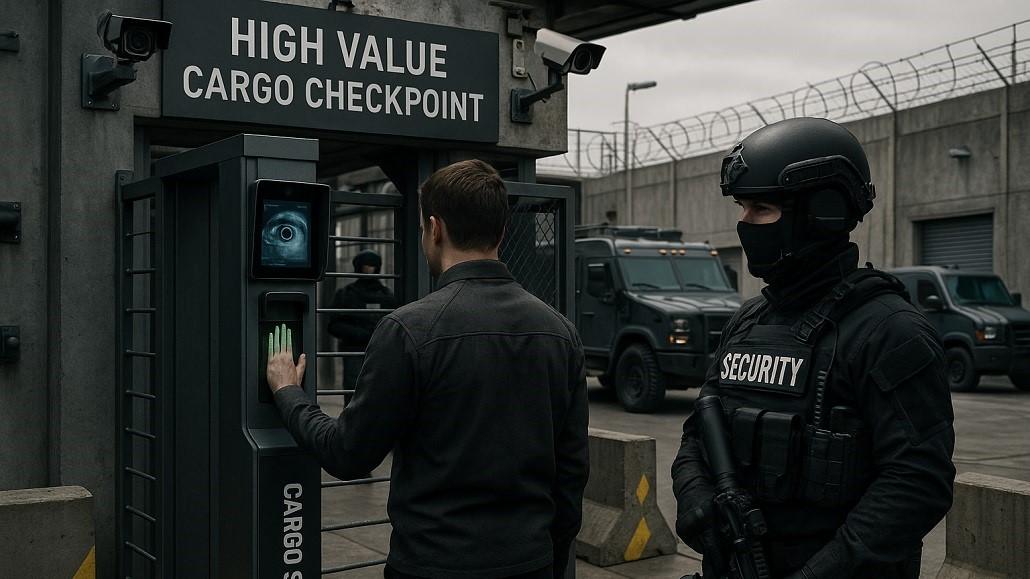
Biometric access controls and advanced authentication systems provide enhanced security for personnel access and cargo handling procedures. These technologies reduce the risk of unauthorized access while maintaining operational efficiency.
Quantum encryption and advanced cybersecurity measures protect digital communications and data systems that support high-value cargo operations. As cyber threats continue evolving, these technologies provide essential protection for the digital infrastructure that enables modern security systems.
The successful transportation of high-value cargo requires a comprehensive approach that integrates physical security, technological solutions, procedural controls, and risk management strategies. Organizations that develop expertise in these areas while maintaining operational efficiency will capture opportunities in the growing high-value cargo market while protecting their clients’ most valuable assets. As global trade in luxury goods, technology products, and specialized materials continues expanding, the importance of professional high-value cargo security will only continue to increase.