


















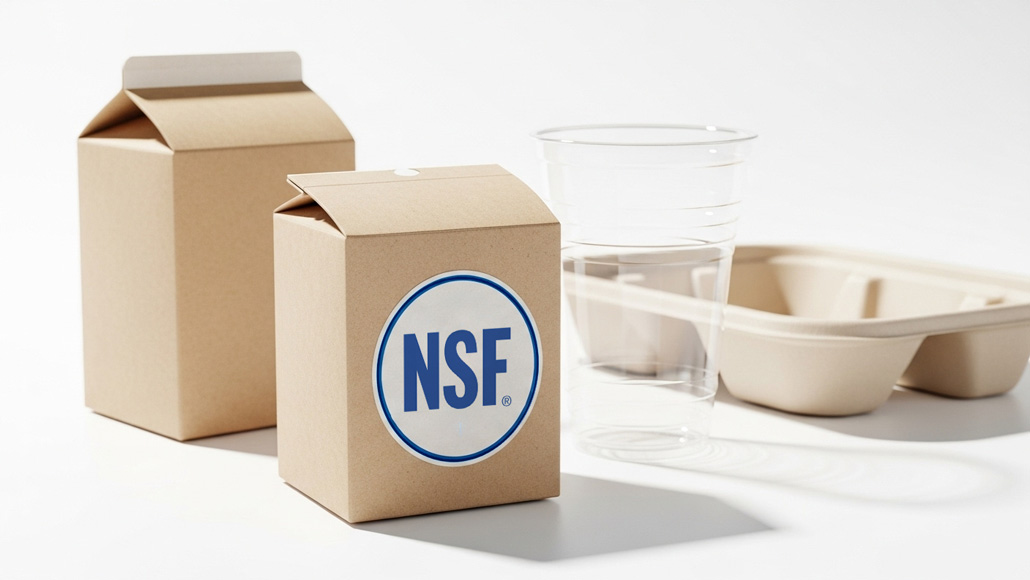

NSF, a global organization specializing in public health and safety, has launched its latest certification protocol, NSF P525: Safe Food Packaging. The protocol represents an important step forward in addressing the risks associated with food contact chemicals (FCCs), a category that includes carcinogenic, mutagenic and reprotoxic substances, as well as endocrine disruptors and bioaccumulators. According to recent studies, at least 80 known FCCs detected in humans are considered hazardous and pose a significant threat to health.
The NSF P525 food packaging certification applies to single-use, primary and secondary packaging that comes into contact with food and beverages. Using a science-based framework, the certification process validates the elimination of chemicals of concern, including Bisphenol A (BPA), per- and polyfluoroalkyl substances (PFAS), phthalates and heavy metals. Achieving this certification demonstrates a manufacturer’s dedication to safer food systems, supports regulatory compliance and helps foster consumer confidence in product safety.
“Recent research has underscored the health risks of toxic substances leaching from packaging into food, increasing concerns among both consumers and manufacturers,” said Sam Cole, Director of Food Contact Evaluations at NSF. “When you see the NSF P525: Safe Food Packaging certification mark on food products, you can rest assured that it has been reviewed by independent, third-party technical experts and scientists to help verify limited exposure to chemicals of concern.”
The development of the NSF P525 Safe Food Packaging protocol was supported by a Protocol Development Panel consisting of representatives from the packaging sector, retailers and food manufacturers. NSF, with more than 80 years of experience in standards and certification, continues to provide frameworks that enhance public safety and market confidence.
Certification is global under this protocol and involves different elements.
- Regulatory compliance is used to ensure the packaging conforms with country- or region-specific regulations.
- Material migration testing involves laboratory tests supported by food simulants to determine the likelihood of chemical transfer to food.
- “Free From” claim validation ascertains if packaging materials are devoid of substances like BPA, PFAS, phthalates, mineral oil aromatic hydrocarbons (MOAH), and heavy metals, including lead, arsenic, cadmium and mercury.
The protocol applies to most types of packages, such as cartons, clamshells, pouches, trays, cups, films, wrappers, jars, foils, tubs, boxes, cans, bowls, sachets, plates and tubes. Materials eligible for review include plastics, paper, glass and ceramics. Once approved, products are authorized to carry the official “NSF Food Packaging” certification mark on their labels and are added to the NSF’s public listing.