


















Consumer Demand for Sustainable Paper Packaging
The contemporary marketplace witnesses an unprecedented shift in consumer priorities, where environmental consciousness increasingly influences purchasing decisions and brand loyalty. Sustainable paper packaging has emerged as a critical response to this evolving demand, representing not merely an alternative material choice but a fundamental realignment of packaging strategies with consumer values and environmental responsibility.
The Rise of Eco-Conscious Consumerism
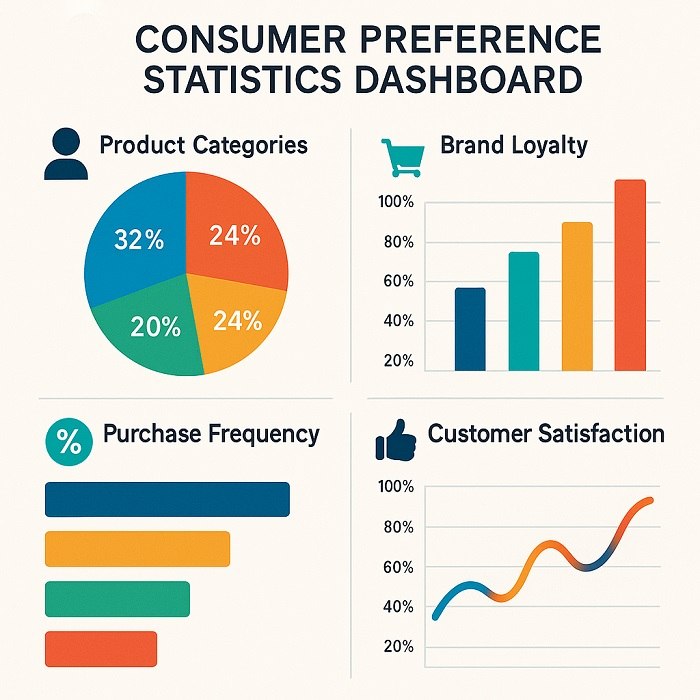
Consumer awareness of environmental issues has reached a tipping point where packaging sustainability directly impacts brand perception and purchasing behavior. Research indicates that 79 percent of young consumers willingly pay premium prices for eco-friendly packaging, demonstrating that sustainable paper packaging represents not just environmental responsibility but also commercial advantage.
The 2025 Trend Tracker survey reveals that 62 percent of European consumers prefer products ordered online to be delivered in paper packaging, while 53 percent actively increase their use of paper packaging in daily lives. These preferences translate directly into competitive advantages for brands that adopt sustainable paper packaging strategies, with over half of consumers stating they would increase purchases from retailers committed to removing plastic from packaging.
This consumer transformation reflects broader societal changes where environmental stewardship becomes integral to personal identity and value expression. Sustainable paper packaging enables consumers to align their purchasing decisions with their environmental values, creating emotional connections that extend beyond functional product benefits to encompass personal satisfaction and social responsibility.
Understanding Consumer Motivations and Preferences
The drivers behind consumer demand for sustainable paper packaging encompass multiple dimensions including environmental concern, health considerations, aesthetic preferences, and social signaling. Environmental awareness represents the primary motivator, as consumers increasingly recognize the connection between packaging choices and ecological impact.
Health consciousness influences packaging preferences as consumers perceive paper materials as safer alternatives to plastic packaging that may contain harmful chemicals or additives. This perception proves particularly pronounced in food packaging applications where direct contact with consumable products raises safety concerns that favor natural, unprocessed materials.
Aesthetic appeal of sustainable paper packaging resonates with consumers who appreciate the authentic, natural appearance that contrasts with artificial-looking synthetic materials. The tactile qualities of paper packaging provide sensory experiences that enhance product perception and create memorable brand interactions.
Social signaling aspects of sustainable paper packaging enable consumers to communicate their environmental values to others through their purchasing choices. This aspect proves particularly important for visible products or gift applications where packaging communicates personal values and consideration for recipients and observers.
Market Dynamics Driving Sustainable Adoption
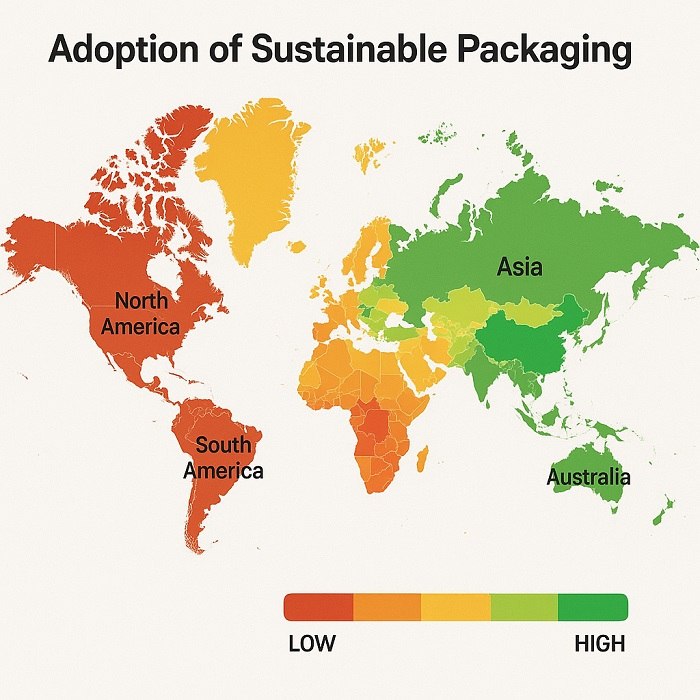
The sustainable paper packaging market demonstrates robust growth across global regions, with Asia-Pacific leading in adoption rates while Latin America shows the fastest growth trajectory. This geographic variation reflects different stages of environmental awareness development, regulatory framework implementation, and economic capability for premium packaging investments.
Paper and paperboard materials dominate the sustainable packaging landscape due to their renewable sourcing, biodegradability, and established recycling infrastructure. With recycling rates consistently above 87 percent for paper-based packaging materials compared to 42 percent for plastic packaging, consumers recognize paper’s superior environmental credentials.
Kraft paper leads market adoption within paper-based sustainable packaging due to its strength, durability, and natural appearance that communicates authenticity and environmental responsibility. The material’s versatility enables applications across diverse product categories while maintaining consistent environmental messaging that resonates with eco-conscious consumers.
Flexible paper packaging represents the fastest-growing segment within sustainable paper packaging, driven by convenience factors, reduced material usage, and enhanced barrier technologies that expand application possibilities without compromising environmental benefits.
Demographic Variations in Sustainable Preferences
Consumer demand for sustainable paper packaging varies significantly across demographic segments, with younger generations demonstrating stronger preferences and willingness to pay premium prices for environmentally responsible alternatives. Millennials and Generation Z consumers prioritize sustainability considerations in purchasing decisions at rates substantially higher than older demographic groups.
Geographic differences in sustainable paper packaging demand reflect varying levels of environmental awareness, regulatory pressure, and economic development. European consumers lead in sustainable packaging preferences due to comprehensive regulatory frameworks, widespread environmental education, and established recycling infrastructure that makes sustainable choices practical and convenient.
Income levels influence sustainable packaging preferences, with higher-income consumers more willing to pay premium prices for environmentally responsible alternatives. However, as sustainable paper packaging achieves economies of scale and production efficiency improvements, price differentials continue narrowing, making sustainable options accessible to broader consumer segments.
Educational attainment correlates strongly with sustainable packaging preferences, as more educated consumers demonstrate greater awareness of environmental issues and more sophisticated understanding of packaging impact on ecological systems. This correlation creates opportunities for educational marketing approaches that inform consumers about sustainable packaging benefits.
Brand Positioning and Consumer Communication
Successful communication of sustainable paper packaging benefits requires authentic, transparent messaging that avoids greenwashing accusations while clearly articulating environmental advantages. Consumers increasingly scrutinize sustainability claims and favor brands that provide specific, measurable information about environmental impact reduction.
Certification and labeling systems play crucial roles in consumer communication, with recognized certifications like Forest Stewardship Council and Programme for the Endorsement of Forest Certification providing credible validation of sustainability claims. These third-party certifications enhance consumer confidence while simplifying decision-making processes.
Storytelling approaches that connect sustainable paper packaging with broader brand narratives about environmental responsibility, community impact, and values alignment create emotional connections that transcend functional product attributes. These narrative approaches prove particularly effective with consumers who prioritize value-driven brand relationships.
Visual communication through packaging design itself communicates sustainability messages through natural colors, minimalist aesthetics, and authentic textures that contrast with artificial-appearing synthetic materials. The visual language of sustainable paper packaging enables immediate recognition and positive association with environmental responsibility.
Economic Implications of Consumer Demand
The economic impact of consumer demand for sustainable paper packaging extends throughout supply chains, creating premium pricing opportunities while driving cost optimization through economies of scale. Brands successfully implementing sustainable paper packaging strategies often achieve pricing premiums that exceed additional material costs, creating positive margin impacts.
Market differentiation benefits enable brands using sustainable paper packaging to stand out in crowded marketplaces where environmental responsibility becomes a key distinguishing factor. This differentiation proves particularly valuable in commodity categories where functional differences between competing products are minimal.
Customer lifetime value improvements result from enhanced brand loyalty among consumers who appreciate sustainable packaging initiatives. These loyalty benefits compound over time as environmentally conscious consumers tend to have higher engagement levels and more positive word-of-mouth referral patterns.
Cost structure optimization opportunities emerge as sustainable paper packaging volumes increase, enabling suppliers to achieve manufacturing efficiencies that reduce unit costs while maintaining environmental benefits. These economies of scale make sustainable packaging increasingly accessible to broader market segments.
Retail Channel Dynamics and Consumer Access
Different retail channels demonstrate varying levels of sustainable paper packaging adoption based on customer demographics, operational requirements, and brand positioning strategies. Premium retail channels lead in sustainable packaging adoption, while mass market channels increasingly follow as consumer demand expands across income segments.
E-commerce channels face particular pressure for sustainable packaging due to shipping volume visibility and consumer ability to easily compare packaging approaches across different brands. Online retailers increasingly highlight sustainable packaging initiatives as competitive differentiators that influence customer acquisition and retention.
Food service applications represent significant growth opportunities for sustainable paper packaging as consumer awareness of single-use plastic environmental impact drives demand for biodegradable alternatives. Takeaway and delivery applications particularly benefit from consumer preference for compostable packaging solutions.
Specialty retail channels focusing on natural, organic, or environmentally responsible products demonstrate the highest adoption rates for sustainable paper packaging, as packaging choices align directly with customer values and expectations in these specialized market segments.
Technological Enablers and Innovation Response
Innovation in sustainable paper packaging technologies directly responds to consumer demands for enhanced functionality while maintaining environmental benefits. Advanced barrier coatings, moisture resistance improvements, and structural engineering advances enable paper packaging to meet performance requirements previously requiring synthetic materials.
Biodegradable coating technologies address consumer concerns about packaging disposal while maintaining product protection capabilities. These innovations eliminate the trade-offs between sustainability and functionality that previously limited paper packaging applications in moisture-sensitive or long-shelf-life product categories.
Printing and finishing technologies enable sophisticated graphics and brand communication on sustainable paper packaging without compromising recyclability or biodegradability. Water-based inks, natural dyes, and sustainable finishing techniques satisfy consumer demands for attractive packaging while maintaining environmental credentials.
Smart packaging features integrated into sustainable paper packaging provide functionality enhancements that justify premium pricing while maintaining environmental benefits. QR codes, NFC tags, and sensor applications create interactive experiences that engage environmentally conscious consumers while providing measurable business value.
Future Consumer Trends and Implications
The trajectory of consumer demand for sustainable paper packaging indicates continued growth as environmental awareness expands and regulatory requirements increase pressure for responsible packaging choices. Younger demographic cohorts entering peak consumption years bring higher sustainability expectations that will drive market transformation.
Transparency requirements continue increasing as consumers demand detailed information about packaging environmental impact, sourcing practices, and end-of-life disposal options. Brands must provide comprehensive information about sustainable paper packaging benefits while avoiding exaggerated or misleading claims that undermine consumer trust.
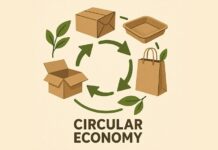
Circular economy concepts gain consumer awareness as environmental education advances, creating opportunities for reusable and refillable sustainable paper packaging systems that extend beyond traditional single-use applications. These advanced approaches appeal to consumers seeking to minimize environmental impact through modified consumption patterns.
Integration of digital technologies with sustainable paper packaging creates opportunities for enhanced consumer engagement while maintaining environmental benefits. These hybrid approaches satisfy consumer desires for functionality and interactivity while preserving the natural, authentic characteristics that drive sustainable packaging preferences.
The evolution of consumer demand for sustainable paper packaging represents both challenge and opportunity for brands committed to environmental responsibility and customer satisfaction. Success requires understanding complex consumer motivations while delivering innovative solutions that exceed expectations for both sustainability and functionality.