




















Smart Labels Transforming Packaging with RFID and Interactive Features
The integration of smart labels with RFID and interactive capabilities represents a revolutionary advancement in packaging technology that transforms traditional labeling from static information carriers into dynamic, intelligent interfaces. These sophisticated smart labels with RFID create unprecedented opportunities for supply chain optimization, consumer engagement, and product authentication while addressing evolving demands for traceability, security, and interactive experiences.
RFID Technology Integration and Capabilities
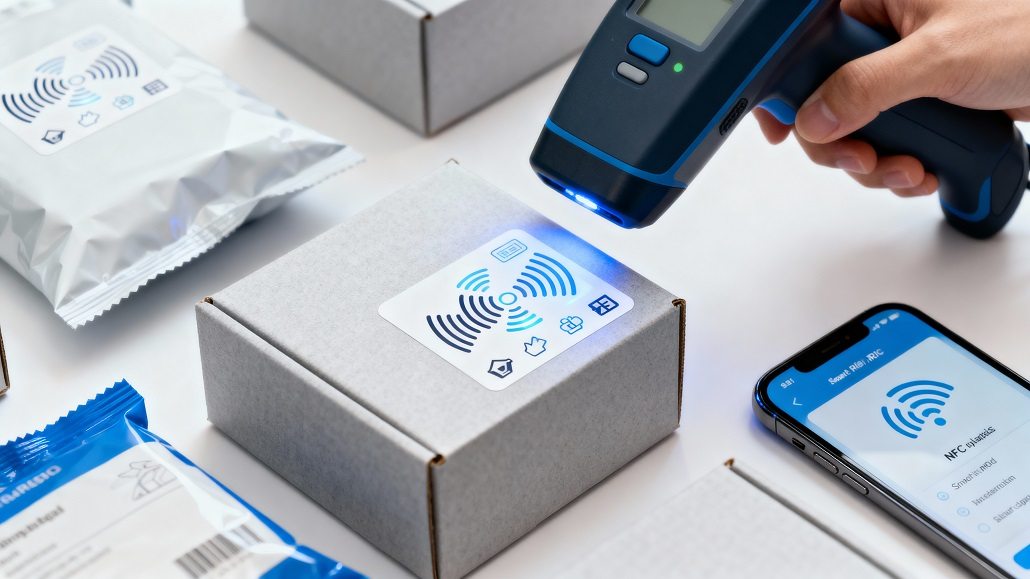
Radio Frequency Identification technology embedded within smart labels enables wireless communication capabilities that provide real-time tracking, authentication, and data exchange throughout product lifecycles. Modern RFID labels incorporate miniaturized antennas and microchips that can store substantial amounts of data while responding to reader queries from distances ranging from centimeters to several meters depending on frequency specifications and power requirements.
Passive RFID systems utilize energy from reader devices to power label responses, eliminating battery requirements while providing reliable performance for most labeling applications. These systems operate across multiple frequency bands including low frequency, high frequency, and ultra-high frequency ranges, each offering distinct advantages for different applications and environmental conditions.
Active RFID labels incorporate dedicated power sources that enable enhanced communication ranges and expanded functionality including sensor integration and real-time monitoring capabilities. These advanced systems can continuously monitor environmental conditions, track location changes, and transmit alerts when specific conditions are detected.
Near Field Communication represents a specialized RFID application that enables secure, short-range communication with smartphones and other NFC-enabled devices. This technology creates opportunities for direct consumer interaction through simple device proximity without requiring specialized applications or complex setup procedures.
Enhanced Traceability and Supply Chain Visibility
Smart labels provide unprecedented visibility into product movement and condition throughout complex supply chains, enabling real-time tracking from manufacturing through retail sale and potentially beyond to support reverse logistics and recycling programs. This enhanced traceability supports regulatory compliance, quality assurance, and customer service initiatives while reducing losses from theft, counterfeiting, or diversion.
Blockchain integration enables immutable record-keeping that creates permanent, tamper-evident histories of product transactions and handling events. These blockchain-connected smart labels provide enhanced security and verification capabilities that support premium product authentication and supply chain transparency initiatives.
Cold chain monitoring capabilities integrated within smart labels provide continuous temperature monitoring for temperature-sensitive products including pharmaceuticals, biologics, and specialty foods. These systems can record temperature excursions, calculate cumulative exposure, and alert handlers to potential quality issues before product damage occurs.
Geolocation tracking through GPS integration or cellular connectivity enables precise location monitoring that supports logistics optimization, theft prevention, and recall management. These capabilities provide valuable insights into distribution efficiency while enabling rapid response to quality issues or security concerns.
Consumer Engagement and Interactive Experiences
Interactive packaging capabilities enabled by smart labels create dynamic consumer experiences that extend brand engagement beyond traditional advertising and product information. These capabilities enable brands to provide personalized content, promotional offers, and educational materials while collecting valuable consumer behavior data.
Augmented reality integration creates immersive experiences that overlay digital content onto physical packaging through smartphone cameras. These applications can provide product demonstrations, usage instructions, nutritional information, or entertainment content that enhances consumer satisfaction while supporting brand positioning objectives.
Dynamic content delivery enables labels to provide different information or experiences based on consumer location, time of day, purchase history, or other contextual factors. This personalization capability creates more relevant and engaging consumer interactions while supporting targeted marketing initiatives.
Loyalty program integration through smart labels simplifies consumer participation while providing brands with detailed purchase behavior data. Consumers can automatically earn rewards, receive personalized offers, and access exclusive content through simple interactions with smart packaging.
Authentication and Anti-Counterfeiting Technologies
Advanced security features embedded within smart labels provide multi-layer authentication capabilities that protect against counterfeiting while enabling rapid verification by consumers, retailers, and regulatory authorities. These security measures become increasingly important as counterfeiting techniques become more sophisticated and product authenticity becomes a critical consumer concern.
Cryptographic authentication protocols ensure that smart labels cannot be duplicated or tampered with without detection. These protocols utilize advanced encryption techniques and unique digital signatures that provide high levels of security while maintaining ease of verification through appropriate reader devices.
Tamper-evident features provide immediate visual or electronic indication when products have been opened, damaged, or otherwise compromised. These features may include physical changes to label appearance, electronic alerts, or data corruption that indicates unauthorized access attempts.
Holographic elements and other overt security features provide immediate visual confirmation of authenticity while creating aesthetic appeal that enhances product presentation. These features work in conjunction with electronic security measures to provide comprehensive protection against counterfeiting attempts.
Manufacturing and Application Technologies
Advanced printing technologies enable cost-effective production of RFID labels with precise antenna patterns and reliable electrical connections. These manufacturing processes must balance electrical performance requirements with printing quality, durability, and cost considerations while maintaining compatibility with high-speed label converting equipment.
Flexible substrate materials enable smart labels to conform to curved surfaces and complex packaging geometries while maintaining electrical performance and mechanical integrity. These materials must provide appropriate flexibility while protecting delicate electronic components from damage during application and use.
Automated testing systems verify electrical performance and data integrity of smart labels during manufacturing processes, ensuring consistent quality and reliability across production volumes. These testing systems can identify defective labels before application while providing quality control data that supports continuous improvement initiatives.
Integration with existing labeling equipment enables smart labels to be applied using conventional label application systems with minimal modifications or additional equipment requirements. This compatibility reduces implementation barriers while supporting gradual adoption of smart label technologies.
Environmental Considerations and Sustainability
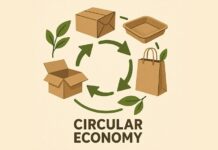
Recyclable RFID labels address environmental concerns while maintaining smart label functionality through innovative material selection and design approaches. These sustainable options may incorporate bio-based substrates, environmentally friendly adhesives, and recyclable electronic components that support circular economy principles.
Biodegradable components within smart labels provide end-of-life options for applications where recycling may not be feasible or optimal. These components break down safely without leaving harmful residues while maintaining performance during intended product lifecycles.
Energy harvesting technologies eliminate battery requirements for some smart label applications while providing sustainable power sources for extended functionality. These systems may utilize solar cells, kinetic energy harvesting, or thermal differences to power smart label operations.
Low-power electronic designs minimize energy consumption while maximizing operational lifetime and functionality. These design approaches support both battery-powered and energy-harvesting applications while reducing overall environmental impact.
Market Applications and Industry Adoption
Pharmaceutical and healthcare applications benefit significantly from smart label capabilities including patient safety features, supply chain security, and regulatory compliance support. These applications often require serialization, temperature monitoring, and authentication capabilities that smart labels provide effectively.
Food and beverage industries utilize smart labels for freshness monitoring, supply chain traceability, and consumer engagement applications. These implementations may include temperature monitoring for cold chain integrity, expiration date management, and promotional content delivery.
Retail and consumer goods applications leverage smart labels for inventory management, theft prevention, and enhanced customer experiences. These implementations enable automated checkout processes, personalized marketing, and detailed sales analytics while improving operational efficiency.
Industrial and automotive applications utilize smart labels for asset tracking, maintenance scheduling, and quality control throughout complex supply chains. These applications often require durability, temperature resistance, and reliable performance in challenging environmental conditions.
Future Developments and Technology Evolution
Artificial intelligence integration will enable smart labels to provide more sophisticated decision-making capabilities and adaptive responses to changing conditions. These AI-enhanced systems may optimize their own performance, predict maintenance requirements, or provide personalized recommendations based on usage patterns.
Sensor integration expansion will enable smart labels to monitor additional parameters including humidity, pressure, chemical exposure, and mechanical stress. These enhanced sensing capabilities will provide more comprehensive product monitoring while supporting new applications and industries.
Energy efficiency improvements will extend operational lifetimes while reducing power requirements and environmental impact. Advanced low-power electronics and improved energy harvesting technologies will enable more sophisticated functionality while maintaining sustainability objectives.
Cost reduction through manufacturing innovations and economy of scale will make smart labels economically viable for broader applications including lower-value products and single-use packaging. These cost improvements will accelerate adoption across diverse industries and applications.
The continued evolution of smart labels with RFID and interactive features represents a fundamental transformation in packaging capabilities that creates value for manufacturers, retailers, and consumers while addressing critical challenges in supply chain management, product security, and environmental sustainability. Organizations that embrace these technologies position themselves at the forefront of packaging innovation with competitive advantages that support sustained success in dynamic market environments.