










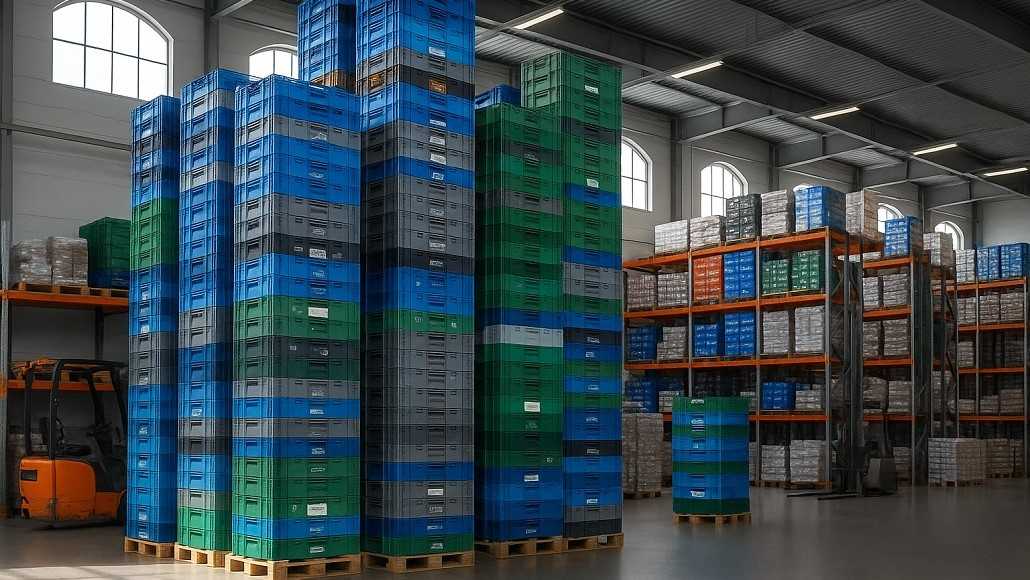

The Rise of Circular Packaging Strategies for a Closed-Loop System
Modern packaging paradigms are shifting from linear consumption models toward revolutionary circular packaging strategies that prioritize resource conservation, waste elimination, and sustainable business practices. The emergence of closed-loop packaging systems represents a fundamental transformation in how industries approach material flows, product lifecycle management, and environmental stewardship. These innovative strategies create regenerative systems where packaging materials maintain continuous circulation, maximizing resource utilization while minimizing environmental impact through sophisticated reuse, refurbishment, and recycling mechanisms.
What is Circular Packaging?
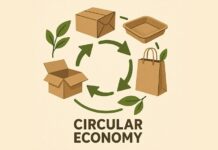
Circular packaging fundamentally reimagines traditional packaging approaches by establishing systems where materials remain in productive use for extended periods through strategic design, collection, and regeneration processes. Unlike conventional linear models that follow a take-make-dispose pattern, circular packaging strategies create closed-loop systems where waste becomes a valuable input for new packaging production cycles.
The circular packaging approach encompasses comprehensive material lifecycle management that begins with sustainable design principles and extends through multiple use phases, collection systems, processing, and regeneration. This holistic methodology transforms packaging from a single-use expense into a continuously valuable resource that supports both economic efficiency and environmental sustainability.
Contemporary circular packaging strategies integrate advanced materials science with sophisticated logistics systems to create resilient supply chains that operate independently of virgin resource inputs. These systems demonstrate how circular economy principles can be practically implemented across diverse industry sectors, from food and beverage to electronics and pharmaceuticals.
The implementation of circular packaging strategies requires fundamental shifts in business models, supply chain relationships, and consumer engagement approaches. Companies adopting these strategies often discover that circular approaches create competitive advantages through reduced material costs, enhanced brand reputation, and improved regulatory compliance.
Essential components of circular packaging include design for longevity, standardized collection systems, efficient processing technologies, and quality regeneration capabilities. These elements work synergistically to maintain material value throughout multiple lifecycle iterations while ensuring packaging continues to meet rigorous performance standards.
The economic implications of circular packaging strategies extend beyond immediate cost savings to encompass long-term resource security, reduced supply chain volatility, and enhanced resilience against material shortages. Organizations implementing circular packaging often report improved operational efficiency and reduced environmental compliance costs.
Closed-Loop Packaging Models
Closed-loop packaging models represent the practical implementation of circular packaging strategies through integrated systems that manage packaging materials from initial production through multiple reuse cycles. These sophisticated models demonstrate how materials can maintain continuous circulation while delivering consistent performance and economic value.
The global closed-loop packaging systems market has experienced substantial growth, with forecasts predicting significant revenue expansion between 2025 and 2034. This growth trajectory reflects increasing recognition of closed-loop benefits including waste minimization, cost reduction, and environmental impact mitigation through sustainable circular packaging loops.
Intra-company closed-loop systems enable organizations to manage packaging cycles entirely within their operations, transferring materials between internal departments, facilities, and production lines. These models provide operational control advantages, reduced packaging costs, and lower risk of material loss while supporting corporate sustainability objectives through minimized waste generation.
Third-party managed closed-loop systems leverage specialized operators to establish and manage comprehensive packaging lifecycles, including collection, cleaning, tracking, and redistribution services. These asset-light models enable rapid network expansion and shared service utilization across multiple clients while reducing upfront investment requirements.
Deposit-and-return systems for reusable containers create effective closed-loop models particularly suited for beverage, food, and consumer product applications. These systems promote high-cyclability reuse while reducing single-use waste, though they require significant infrastructure investment and standardized system implementation.
Advanced tracking technologies including IoT sensors, RFID tags, blockchain systems, and edge AI enhance closed-loop model efficiency by enabling real-time asset monitoring, predictive maintenance, and optimized reverse logistics. These digital systems provide comprehensive visibility into packaging lifecycle performance while supporting data-driven optimization decisions.
Reusable Packaging Solutions
Reusable packaging solutions form the cornerstone of effective circular packaging strategies by extending material lifecycles through multiple use iterations while maintaining protective performance and aesthetic appeal. These innovative solutions demonstrate how packaging can transition from single-use consumables to durable assets that provide long-term value.
Stackable and nestable packaging functionality dominates reusable packaging applications due to space efficiency advantages, reduced return logistics costs, and enhanced operational convenience. Stackable designs enable safe vertical storage during transport and warehousing while nestable configurations collapse to minimize reverse logistics volume and transportation expenses.
Returnable thermoformed packaging including durable plastic pallets, totes, bulk containers, and trays represents mature reusable packaging technology that withstands multiple shipping cycles while providing consistent protection and handling characteristics. These systems particularly benefit high-volume industries where repeated use justifies initial investment costs.
Smart reusable packaging integrates digital technologies to monitor usage cycles, track location throughout supply chains, and provide real-time condition assessment. QR codes, NFC chips, and IoT sensors enable comprehensive lifecycle management while supporting predictive maintenance and optimal replacement scheduling.
Modular reusable packaging systems offer flexible configurations that adapt to varying product requirements while maintaining standardized components for efficient handling and storage. These systems optimize space utilization while providing customizable protection for diverse product categories.
The implementation of reusable packaging solutions requires careful consideration of material durability, cleaning protocols, damage assessment procedures, and end-of-life management strategies. Successful programs establish clear quality standards, efficient reverse logistics, and cost-effective refurbishment processes.
Collaborative reusable packaging networks enable multiple organizations to share packaging assets, reducing individual investment requirements while maximizing utilization rates. These partnerships create economies of scale that support widespread adoption of reusable packaging solutions across industry sectors.
Circular Economy Principles in Packaging
The integration of circular economy principles into packaging design and management creates systematic approaches that eliminate waste while maximizing resource value throughout extended material lifecycles. These principles guide the development of packaging systems that support regenerative business models and sustainable resource utilization.
Design for circularity represents the foundational principle that influences material selection, structural configuration, and end-of-life planning during packaging development. This approach prioritizes materials and designs that facilitate multiple use cycles, efficient separation for recycling, and minimal environmental impact during processing.
Material selection within circular economy frameworks emphasizes renewable resources, recycled content integration, and compatibility with existing recycling infrastructure. Advanced material innovations including bio-based polymers, compostable films, and hybrid materials demonstrate how circular principles drive technological advancement.
Waste elimination strategies within circular packaging systems target inefficiencies throughout supply chains, from overpackaging reduction to optimized logistics planning. These approaches identify opportunities to minimize material usage while maintaining protective performance and consumer satisfaction.
Value retention mechanisms ensure that packaging materials maintain economic worth throughout multiple lifecycle phases through quality preservation, contamination prevention, and efficient collection systems. These strategies create financial incentives that support circular system participation across supply chain partners.
Collaborative consumption models enable shared packaging resources that reduce individual ownership requirements while maximizing utilization efficiency. These approaches particularly benefit industries with predictable packaging flows and standardized handling requirements.
The measurement and optimization of circular performance requires sophisticated metrics that track material flows, environmental impacts, and economic outcomes across extended timeframes. These assessment systems enable continuous improvement while demonstrating the business value of circular packaging investments.
Industry Examples and Trends
Leading companies across diverse industries are implementing innovative circular packaging strategies that demonstrate practical approaches to closed-loop system development while delivering measurable business and environmental benefits. These examples illustrate how circular principles translate into operational success.
Tesco’s collaboration with Loop showcases reusable packaging implementation in mainstream retail through professional cleaning and reuse systems that reduce single-use waste while lowering long-term packaging costs. This program demonstrates closed-loop packaging viability in high-volume consumer applications.
The automotive industry has pioneered intra-company closed-loop systems where packaging materials circulate between manufacturing facilities, suppliers, and distribution centers. These systems optimize material utilization while reducing transportation costs and environmental impact through standardized reusable containers.
Food and beverage companies increasingly adopt circular packaging strategies that combine consumer education, collection infrastructure, and processing partnerships to create effective closed-loop systems. These initiatives often integrate digital engagement platforms that encourage consumer participation while tracking environmental impact reductions.
E-commerce platforms are developing innovative packaging solutions that facilitate customer return and reuse while maintaining protective performance during shipping. These systems often incorporate modular designs that adapt to varying product dimensions while supporting efficient reverse logistics.
Technology integration trends including AI-powered optimization, blockchain traceability, and IoT monitoring enhance circular packaging system efficiency while providing real-time performance data. These digital tools support predictive maintenance, route optimization, and quality assurance throughout packaging lifecycles.
Regional regulatory developments increasingly support circular packaging adoption through Extended Producer Responsibility programs, deposit systems, and packaging waste reduction mandates. These policy frameworks create economic incentives that accelerate circular system implementation across industries.
Investment in circular packaging research and development continues expanding as organizations recognize strategic advantages including cost reduction, regulatory compliance, and brand differentiation. This funding supports breakthrough innovations in materials, technologies, and system design that advance circular packaging capabilities.
The convergence of environmental awareness, regulatory pressure, and technological advancement creates unprecedented opportunities for circular packaging strategy implementation. Companies adopting these approaches position themselves advantageously for future market conditions while contributing to global sustainability objectives.
Circular packaging strategies represent more than environmental initiatives; they embody strategic business transformations that create value through resource optimization, cost reduction, and competitive differentiation. As these strategies mature from experimental programs to mainstream practices, they establish new industry standards that prioritize sustainability while delivering exceptional operational performance.
The trajectory toward comprehensive circular packaging adoption continues accelerating, driven by regulatory evolution, consumer demand, and demonstrated business benefits. Organizations implementing circular packaging strategies today establish foundational capabilities that support long-term competitive advantage while contributing to global resource conservation and environmental protection objectives. The packaging industry’s embrace of circular economy principles ensures that sustainable practices will define future packaging development, creating systems that benefit both business success and planetary stewardship.