






















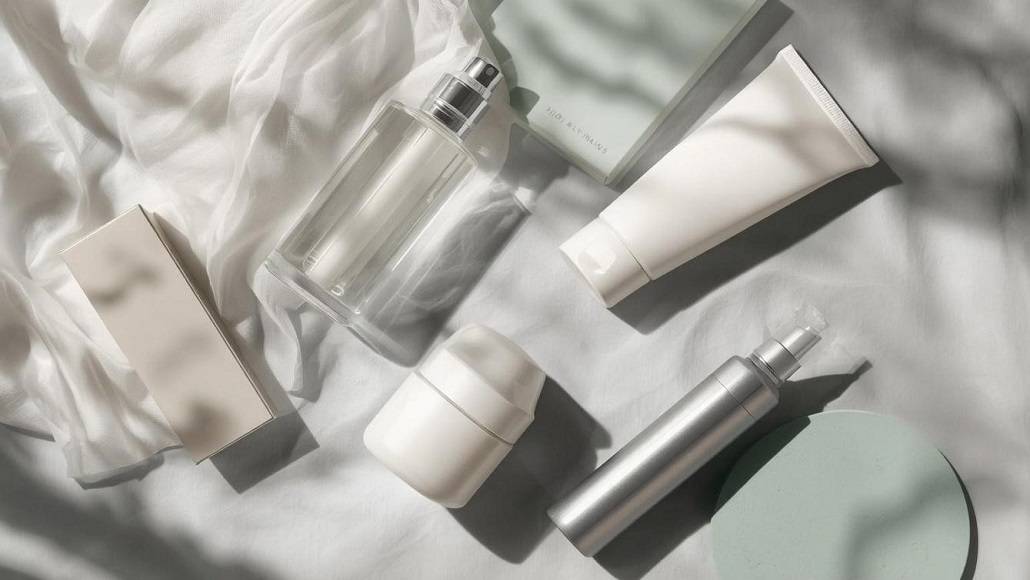

In the modern beauty industry, a gentle shift is reshaping how products present themselves. The once-dominant language of bold colors, ornate details, and heavy graphics has softened into the calm, deliberate simplicity of minimalism. It is no longer a passing aesthetic trend but a reflection of deeper shifts in values toward sustainability, authenticity, and emotional clarity in design. For professionals in beauty product development, packaging design, and branding, understanding the subtle influence of minimalism has become more than an artistic preference; it is a strategic imperative.
Minimalism in beauty packaging draws strength from restraint. The approach eliminates unnecessary elements and amplifies what matters most: the product’s identity and its promise. Clean typography, muted tones, and spacious layouts signal refinement without noise. This visual discipline communicates confidence and trust in a saturated marketplace where visual clutter can dilute perception.
From a design standpoint, minimalist packaging is defined by structural efficiency and visual serenity. Monochrome or neutral color palettes like white, beige, sand, or pale green dominate the segment. Typography plays a crucial role: legible fonts replace ornate scripts, often paired with generous negative space to enhance readability and calm visual balance. Materials, too, carry symbolic weight. Paperboard, glass, or aluminum surfaces communicate naturalness and responsibility more effectively than glossy plastic layers. The message is clear: design less, mean more.
A Reflection of Sustainability and Consumer Consciousness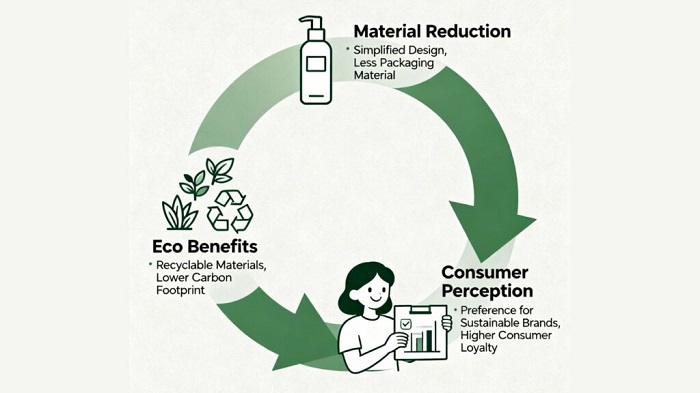
The rise of minimalist beauty packaging aligns closely with the global sustainability movement. As environmental awareness grows, beauty buyers increasingly judge products not only by performance but also by ecological footprint. Reducing material use, simplifying containers, and adopting recyclable or refillable formats have therefore become practical expressions of corporate ethics.
Recent data illustrates this connection. Nearly three-quarters of consumers are willing to pay more for sustainable packaging, while more than half of Gen Z buyers identify eco-friendly packaging as a primary purchase driver. Minimalism responds to these expectations by addressing waste at its root, using fewer layers, cutting redundant inserts, and preferring compostable or mono-material structures. In practical terms, this translates to leaner production cycles, lower emissions, and improved circularity.
What distinguishes minimalist sustainability from technical sustainability, however, is its emotional dimension. Consumers perceive minimal packaging as honest and transparent, with less intent on overstating claims. This perception of integrity resonates strongly within personal care categories like skincare and cosmetics, where trust defines long-term brand loyalty.
Balancing Aesthetics and Functionality
For designers and marketers, minimalism presents a test of discipline. The simplicity must not reduce usability or compromise luxury appeal. In high-end segments, thoughtful craftsmanship upholds elegance, like smooth finishes, subtle embossing, or precision printing replace ornamental excess while retaining sophistication.
Functionality supports this aesthetic vision. Lightweight bottles, slim cartons, and modular caps improve logistics and ease of recycling. Meanwhile, tactile surfaces, etched glass, and airless pumps preserve product integrity while reinforcing user experience. These refinements show that minimalism does not reject sensory richness; it redefines it through texture, proportion, and material honesty instead of visual clutter.
In the expanding online marketplace, packaging also serves as the first physical brand touchpoint. Clean design has been shown to create stronger first impressions, signaling care and clarity. For digital-first brands, this connection between aesthetic simplicity and perceived quality can directly influence retention and repeat purchase behavior.
The Psychological Undercurrent of Minimal Design
Minimalist packaging appeals to an evolved form of consumer psyche, one that associates simplicity with credibility. Psychologically, less detail reduces cognitive load, allowing the viewer to process brand intent more intuitively. Research in consumer behavior suggests that minimal packaging triggers associations of purity, safety, and naturalness, attributes particularly valued in the beauty sector.
There is also a cultural undercurrent at work. The rise of digital lifestyles, where visual saturation is constant, has created fatigue toward excess. Beauty packaging that offers visual calm provides momentary relief, a small pause in a restless stream of stimulus. In a sense, minimalist beauty packaging mirrors wellness culture itself: balance, restraint, and mindfulness expressed through material form.
For professionals developing global packaging strategies, regional nuance must also be acknowledged. In Asia, particularly Japan and Korea, minimalism often embodies a disciplined form of serenity and functional precision, integrated with refill pods and magnetic closures. Western interpretations, by contrast, tend to merge minimal design with soft luxury, emphasizing sustainability as a virtue of modern sophistication.
The Strategic Dimension for Brands
Minimalism’s power lies not simply in aesthetics but in strategic alignment. In a market driven by experience and trust, visual restraint can convey confidence in product quality. For emerging and heritage brands alike, adopting minimalist principles can simplify brand architecture, making messaging clearer and more consistent across product lines.
At the same time, professionals in packaging and supply must manage realism alongside creativity. Minimal design does not automatically lower costs; high-quality simple packaging often requires superior materials, precision engineering, and controlled production. What minimalism achieves instead is efficiency in logistics, in perception, and increasingly, in compliance with sustainability standards.
For manufacturing partnerships, this means emphasizing versatility. Suppliers capable of combining lightweight materials with high visual fidelity through processes like digital embossing, refill module integration, or mono-material molding will remain pivotal in supporting minimalist strategies without diluting durability or appeal.
The New Language of Luxury
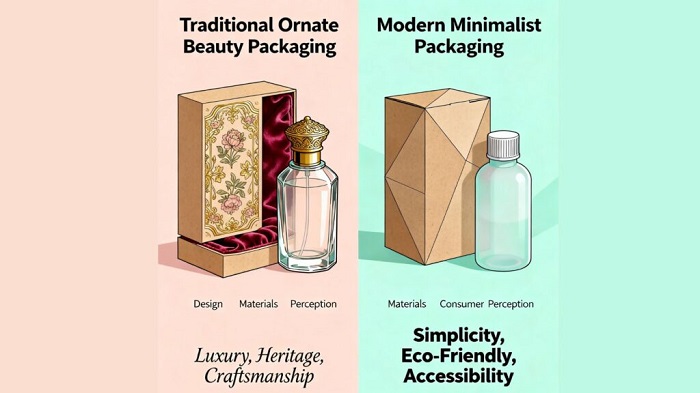
Luxury beauty products, once characterized by ornate embellishment, have undergone a quiet redefinition. Today’s luxury is understated, tactile, and conscious. Minimalist design conveys exclusivity not through abundance, but through refinement. Slim silhouettes, monochrome tones, and subtle finishes such as brushed metallics or soft-touch coatings now signal premium quality.
This restrained design vocabulary also harmonizes with personalized experiences. Consumers are attracted to the sense of calm and individuality that minimalist packaging provides. It projects timelessness, an enduring value in a fast-moving industry. By reducing visual noise, brands enable the product to speak for itself; the sophistication lies in invisibility.
From a business perspective, such packaging enhances shelf uniformity, improves brand recall, and supports scalability across global markets where localized design adaptation must remain cost-efficient. The quiet visual signature of minimalism thus becomes a unifying factor in multinational brand presence.
Beyond Appearance: Minimalism as Ethical Expression
Minimalism in beauty packaging also represents a moral statement about the relationship between consumption and responsibility. Simplifying materials, cutting redundancy, and opting for recyclable formats illustrate intentional restraint, a willingness to “do less” in pursuit of better outcomes, environmental, aesthetic, and emotional.
In practical operation, this perspective aligns with circular design frameworks now shaping procurement and production strategy across beauty supply chains. By integrating minimalism into upstream decisions such as packaging weight optimization and component standardization, companies can demonstrate commitment to measurable sustainability rather than purely symbolic gestures.
For professionals monitoring regulatory pathways, such as extended producer responsibility (EPR) policies and eco-design directives, minimalist packaging offers operational compatibility. Lighter designs reduce shipping emissions and simplify end-of-life recycling classification, helping businesses align with evolving compliance standards.
The Future Outlook
Minimalism’s persistence signals its adaptability to industry cycles. The trend continues to evolve rather than plateau. In the coming years, expect restrained aesthetics to merge with smart and refillable technologies like airless pumps, digital traceability, and mono-component refill pods integrated seamlessly into clean designs. The minimalist ethos will likely expand to encompass not only the exterior form but also the lifecycle logic of packaging systems.
For packaging professionals, the challenge will be balancing purity of design with regulatory, logistical, and brand differentiation needs. As materials innovation accelerates, especially in biodegradable composites and post-consumer recycled polymers, the minimalist framework offers clarity: use only what matters, design only what endures.
The influence of minimalism in beauty packaging is subtle yet persuasive. It shapes consumer trust, reinforces sustainability agendas, and redefines visual luxury without relying on ornamentation. In its refined quietness lies a modern authority, a quiet language that speaks of maturity, responsibility, and focus.
For professionals across packaging, design, and brand strategy, minimalism invites both creativity and conscience. It encourages precision rather than excess, storytelling through absence rather than addition. As markets mature and consumers become more aware, the most powerful expression in beauty packaging may well remain the simplest one: clarity of purpose, rendered in modest but enduring form.