


















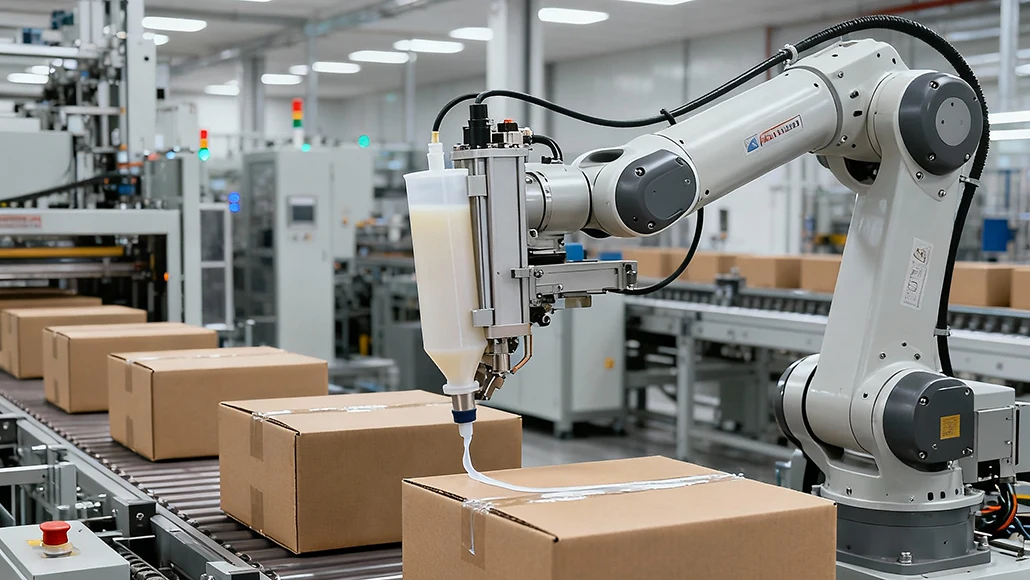

Automation in Adhesive Supply Boosting Packaging Line Efficiency
The manufacturing landscape has undergone remarkable transformation as packaging operations embrace digital connectivity and intelligent automation. Within this evolution, automated adhesive supply systems have emerged as powerful drivers of operational excellence, fundamentally changing how packaging lines manage one of their most critical consumables. These systems represent far more than simple material handling upgrades—they embody a strategic approach to eliminating waste, maximizing uptime, and creating measurable competitive advantages in an industry where margins often depend on fractional improvements.
Traditional manual adhesive management has long been recognized as a vulnerability in packaging operations. Operators tasked with monitoring tank levels and manually replenishing hot melt units face inherent challenges that automation addresses with precision. The automation in adhesive supply packaging transforms these vulnerable touchpoints into streamlined, data-driven processes that operate continuously without human intervention.
The Foundation of Automated Adhesive Systems
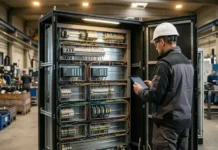
Modern automated adhesive feed systems operate through sophisticated sensor networks that continuously monitor reservoir levels in hot melt equipment. When adhesive quantities drop to predetermined thresholds, ultrasonic level sensors communicate with programmable logic controllers to activate pneumatic feeding mechanisms. These systems draw adhesive pellets or blocks from sealed containers, transferring material to melting units while maintaining optimal fill levels throughout production runs.
The technical architecture underlying these systems reflects decades of refinement in materials handling and process control. Sealed container designs prevent environmental contamination while pneumatic conveyance ensures consistent material flow regardless of pellet size or ambient conditions. The integration of ethernet capabilities enables remote monitoring, allowing plant managers to track adhesive consumption patterns, filter conditions, and system performance from centralized control rooms.
Advanced implementations incorporate multi-tank control, where a single automated system manages adhesive supply for up to four separate melting units simultaneously. This centralized approach reduces equipment footprint while simplifying maintenance protocols across multiple production lines. Universal lid assemblies ensure compatibility with major equipment manufacturers, facilitating retrofits to existing infrastructure without extensive modifications.
Operational Benefits Transforming Performance Metrics
The implementation of automation in adhesive supply packaging delivers quantifiable improvements across multiple performance dimensions. Perhaps most significantly, these systems eliminate operator exposure to heated equipment, addressing one of the primary safety concerns in packaging operations. Burns from manual adhesive handling represent a persistent workplace hazard that automated feed systems completely eliminate.
Production efficiency gains extend beyond safety improvements. Automated systems maintain reservoir levels within narrow optimal ranges, preventing the thermal shock and char formation that occur when tanks are overfilled or allowed to run excessively low. This precise level management extends adhesive service life by minimizing thermal degradation, while also protecting expensive melting equipment from stress that shortens component lifespan.
The elimination of manual intervention translates directly into labor optimization. Personnel previously assigned to monitor and refill adhesive tanks can be redeployed to higher-value activities, while the consistency of automated feeding removes variables that contribute to application inconsistencies. Production lines equipped with automated adhesive supply demonstrate fewer interruptions for tank refills, with continuous operation periods extending substantially compared to manual systems.
Waste reduction represents another critical benefit dimension. Traditional manual filling methods create opportunities for adhesive spillage during transfer, while exposure to plant debris during open-tank filling introduces contaminants that eventually become char. Automated systems operating in sealed environments prevent both scenarios, ensuring that purchased adhesive reaches its intended application without loss to handling inefficiencies.
Monitoring Capabilities Enabling Predictive Operations
The sensor networks embedded within modern automated adhesive systems generate continuous data streams that transform adhesive management from reactive to predictive. Real-time monitoring of dispense parameters reveals patterns that indicate developing issues long before they impact production. When dispensing pressure deviates from established baselines, analytics platforms can identify whether the variation stems from adhesive viscosity changes, partial nozzle obstructions, or upstream supply irregularities.
Digital process signature technology visualizes adhesive application operations in real time, allowing operators to identify quality issues at their source. This capability proves particularly valuable in detecting problems such as air bubbles creating voids in dispensed beads, clogged nozzles restricting flow, or incomplete purges following nozzle replacements. The ability to capture these defects during production rather than discovering them in finished goods prevents costly rework and customer complaints.
Advanced monitoring systems track adhesive consumption against production output, revealing efficiency trends that inform purchasing decisions and process optimization initiatives. When consumption rates increase without corresponding production volume changes, the data prompts investigation into potential equipment issues or process drift. This analytical approach replaces the intuition-based management that characterized traditional adhesive operations.
Integration with manufacturing execution systems enables comprehensive production traceability. Every dispense operation generates records linking adhesive lot numbers, application parameters, and product identifiers. When quality investigations require root cause analysis, this documentation provides the forensic detail necessary to isolate variables and implement corrective actions with confidence.
Precision Application Technologies
Automated wide web spray systems exemplify how adhesive application technology has evolved to meet demanding production requirements. These systems accommodate modules numbering from one to fourteen, allowing precise customization to match adhesive volume requirements for specific applications. Furniture assembly, mattress production, and carpet tile manufacturing benefit particularly from these high-coverage systems, where large surface areas require uniform adhesive distribution.
The inline filtration integrated into spray applicators prevents nozzle clogging that would otherwise halt production. By removing contaminants before they reach dispensing nozzles, these filtration systems maintain consistent spray patterns throughout extended production runs. The result is predictable adhesive application that meets quality standards without the pattern irregularities that create weak bonds or excessive consumption.
Extrusion applicators offer complementary capabilities for applications requiring precise adhesive placement in confined spaces. While utilizing less adhesive than wide web systems, automated extrusion applicators match the accuracy of manual handguns while eliminating operator variability. This makes them ideal for packaging operations involving smaller products or applications where adhesive must be placed in specific locations with minimal spread.
Robotic adhesive bead inspection systems represent the convergence of vision technology and automated dispensing. High-speed three-dimensional sensors mounted around dispensing nozzles provide complete bead visibility, eliminating blind spots regardless of robot orientation. These vision systems actively monitor and adjust dispensing processes in real time, automatically maintaining optimal tip-to-surface distance while adapting to part variations on the fly.
Waste Elimination Through Optimization
The precision inherent in automated adhesive systems directly addresses one of packaging’s persistent challenges: material waste. Traditional manual application methods introduce human variability that results in both under-application creating weak seals and over-application wasting expensive adhesive. Automated systems apply precisely calibrated amounts based on verified process parameters, eliminating this variability source.
Die-cutting and film application operations demonstrate particularly dramatic waste reductions when automated adhesive systems replace manual processes. Machines making precise cuts minimize off-cuts and scraps, while automated adhesive application ensures only necessary materials reach substrates. The cumulative effect of these precision improvements can reduce material waste by margins that significantly impact operating costs.
Automated adhesive measuring systems monitor application quantities with exceptional accuracy, enabling reduction of safety margins that manual operators typically maintain. When confident that every application receives the minimum adhesive necessary for reliable bonding, operations eliminate the excess that characterizes conservative manual practices. The adhesive calculator functionality in advanced control systems quantifies these savings in real time, making optimization efforts transparent and measurable.
Energy consumption tracking integrated into modern adhesive systems provides another dimension of waste reduction. By recording heat output and cumulating energy usage across daily, monthly, and annual periods, these systems reveal opportunities to adjust operating parameters for improved efficiency. Lower-temperature adhesive formulations combined with precise temperature control can reduce energy consumption substantially without compromising performance.
Integration with Modern Manufacturing Architecture
The evolution toward Industry 4.0 manufacturing principles has positioned automated adhesive systems as critical nodes in connected factory networks. Modern adhesive dispensing equipment communicates seamlessly with programmable logic controllers through standard industrial protocols. This connectivity enables adhesive operations to respond dynamically to upstream production changes, adjusting parameters automatically as product mix or line speed varies.
Cloud-based platforms extend monitoring and control capabilities beyond plant boundaries. Remote access allows equipment specialists to diagnose issues, adjust settings, and provide support without site visits, reducing response times when problems emerge. This connectivity proves particularly valuable for multi-site operations, where centralized expertise can support equipment deployed across geographically dispersed facilities.
The integration of automated adhesive systems with enterprise resource planning platforms creates closed-loop visibility from raw material procurement through finished goods delivery. Adhesive consumption data flowing from production equipment informs inventory management systems, triggering replenishment orders when stock levels approach reorder points. This integration eliminates manual inventory tracking while ensuring production never halts for lack of materials.
Predictive maintenance capabilities emerge naturally from the data streams automated adhesive systems generate. Component-specific operating hours and switching cycles trigger maintenance alerts based on recommended service intervals. Rather than following rigid calendar-based maintenance schedules or risking unplanned failures, operations perform preventive maintenance precisely when needed, optimizing both equipment availability and maintenance resource deployment.
Overcoming Implementation Considerations
Organizations evaluating automated adhesive systems encounter implementation considerations that require careful planning. Initial capital investment represents the most visible hurdle, particularly for small and medium enterprises operating under constrained budgets. Equipment costs vary considerably based on system complexity, with basic automatic feeders priced accessibly while sophisticated multi-tank systems with advanced monitoring capabilities command premium investments.
The return on investment calculation must account for both tangible and intangible benefits. Direct labor savings from eliminated manual handling combine with reduced material waste, lower maintenance costs, and decreased quality escapes to generate positive financial returns. Less quantifiable but equally valuable are improvements in workplace safety, production consistency, and competitive positioning that automation enables.
Integration with existing equipment requires assessment of compatibility and modification requirements. Universal mounting systems simplify retrofits to established hot melt units, while custom solutions may be necessary for older or specialized equipment. Working with experienced system integrators helps navigate these technical challenges, ensuring that automated adhesive systems interface properly with surrounding production equipment.
Operator training represents another critical implementation element. While automated systems reduce manual intervention, operators must understand system operation, monitoring protocols, and troubleshooting procedures. Effective training programs emphasize the monitoring and analytical aspects of automated systems rather than the manual skills traditional operations required. This shift in operator role from material handler to process analyst elevates the position while requiring different competencies.
The trajectory of automated adhesive supply technology points toward increasingly sophisticated capabilities that further enhance packaging line performance. Artificial intelligence algorithms analyzing historical dispensing data will enable systems to anticipate optimal parameter adjustments before quality issues emerge. Machine learning models identifying subtle patterns in sensor data will provide early warning of developing problems that current threshold-based alerting might miss.
Vision systems with enhanced capabilities will expand beyond bead inspection to include substrate verification and finished product quality assessment. As camera resolution improves and processing speeds increase, real-time quality assurance will extend throughout the packaging process, with adhesive application representing just one monitored element in comprehensive production verification.
The convergence of automated adhesive systems with collaborative robotics promises to bring automation benefits to production scenarios where traditional fixed automation proves impractical. Flexible dispensing cells that reconfigure quickly for different products will enable economical automation even in high-mix, low-volume operations that have historically relied on manual processes.
Sustainability considerations will drive continued innovation in automated adhesive systems. As packaging operations face increasing pressure to reduce environmental impact, automated systems that minimize material waste, optimize energy consumption, and enable use of bio-based adhesives will become increasingly central to corporate sustainability strategies. The measurement and reporting capabilities these systems provide will be essential for documenting progress toward carbon reduction and waste elimination goals.
The transformation of packaging operations through automation in adhesive supply packaging reflects broader manufacturing evolution toward connected, intelligent production systems. Organizations implementing these technologies gain measurable advantages in efficiency, quality, and cost management while positioning themselves to capitalize on emerging capabilities that will define competitive success in coming decades. The question for packaging operations is no longer whether to automate adhesive supply, but rather how quickly they can capture the substantial benefits these systems deliver.