





















Energy Efficiency in Hot-Melt Adhesive Supply
The intersection of operational economics and environmental responsibility has brought energy consumption in manufacturing processes under increasing scrutiny. Packaging operations face particular pressure to reduce their carbon footprint while maintaining competitive cost structures. Hot-melt adhesive supply systems, which operate continuously at elevated temperatures and represent significant energy consumers within packaging facilities, offer substantial opportunities for efficiency improvements. Understanding how energy efficiency hot melt adhesive supply systems achieve their performance gains requires examining both equipment design innovations and operational strategies that minimize consumption without compromising packaging quality.
Temperature Management as the Foundation of Energy Efficiency
The fundamental physics of adhesive melting establishes boundaries within which efficiency improvements must operate. Raising one kilogram of adhesive from ambient temperature to typical application temperature requires approximately point-one kilowatt-hours of energy—a fixed thermodynamic requirement that equipment design cannot change. However, the total energy consumption associated with adhesive application extends far beyond this theoretical minimum. Heat losses through equipment surfaces, energy required to maintain adhesive at temperature during idle periods, and inefficiencies in heating element performance all contribute additional consumption that proper system design can substantially reduce.
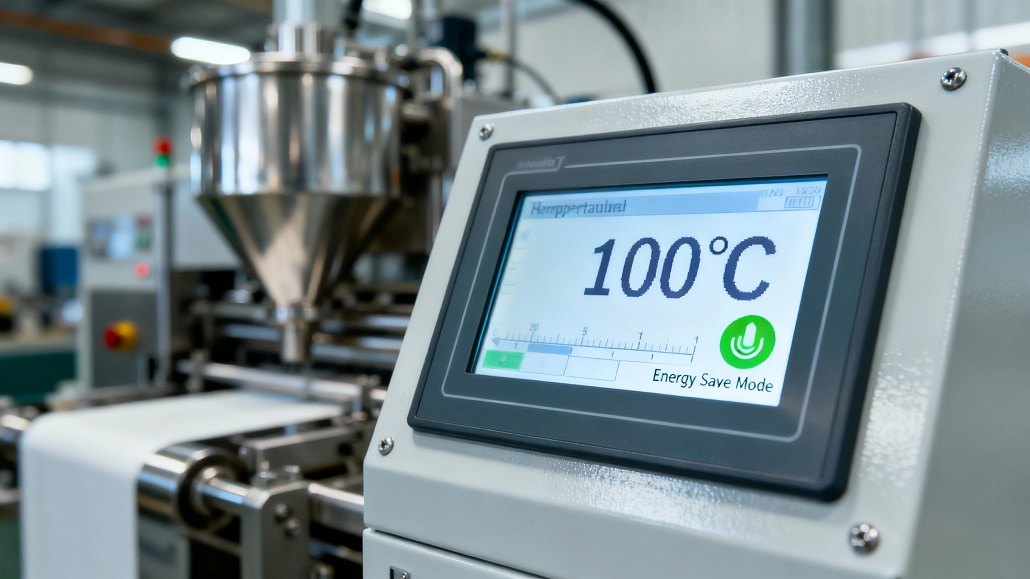
Application temperature selection represents perhaps the most direct influence on energy consumption that operations control. Conventional hot-melt adhesives typically require processing at temperatures between one hundred eighty and one hundred ninety degrees Celsius. Advanced low-temperature formulations achieve equivalent performance at temperatures as low as ninety-eight degrees Celsius. This seemingly modest temperature reduction delivers dramatic energy savings—independent testing documents energy consumption reductions of fifty-nine percent when operations transition from one hundred sixty degree application to ninety-eight degree operation.
The energy savings from reduced application temperature manifest through multiple mechanisms. Lower temperature operation requires less energy input to reach and maintain set points. Heat losses through equipment surfaces decrease because the temperature differential between equipment and ambient environment narrows. Adhesive degradation slows dramatically, reducing material waste and the energy invested in processing adhesive that ultimately requires disposal. Startup times decline because less thermal energy must accumulate within system components before operation begins—one manufacturer reports that lines operating at one hundred degrees Celsius in the tank require half the startup time compared to systems running at one hundred seventy degrees.
System architecture fundamentally shapes energy efficiency characteristics. Tank-based melting systems maintain large volumes of adhesive at application temperature, requiring continuous energy input to offset heat losses from the tank surface. The thermal mass of molten adhesive within the tank creates long startup periods because significant energy must flow into the system before all material reaches operating temperature. Tank-free designs that melt adhesive on demand maintain minimal molten material volume, dramatically reducing surface area for heat loss and thermal mass requiring heating. This architectural difference translates into energy consumption reductions of forty to seventy-two percent in documented industrial applications.
Equipment Design Features Enabling Efficiency Gains
Heating system design directly impacts energy conversion efficiency—how effectively electrical input becomes useful thermal energy delivered to adhesive. Traditional resistance heating elements embedded in tank walls create uneven temperature distributions that drive adhesive degradation while wasting energy. Advanced heating chamber designs optimize surface-to-adhesive ratios for rapid, efficient melting. Patented heating technologies enable more uniform thermal energy distribution, preventing hot spots that cause char while accelerating heat transfer rates.
Insulation quality determines how effectively equipment retains thermal energy rather than radiating it into surrounding spaces. Modern systems employ advanced insulation materials that minimize heat losses while maintaining compact equipment profiles. Multilayer insulation designs create thermal barriers that dramatically reduce energy flowing from hot adhesive supply systems into plant environments. This retention of thermal energy within equipment both reduces energy consumption and improves operator safety by lowering equipment surface temperatures.
Heated hose design affects energy requirements for maintaining adhesive temperature during transit from melter to applicator. Traditional heated hoses rely on resistance elements that consume substantial power while creating hot spots that degrade adhesive and cause viscosity variations. Advanced designs incorporating additional silicone layers for thermal distribution maintain temperature uniformity with reduced power consumption. Some systems employ active temperature monitoring and control throughout hose length, adjusting power input to maintain precise temperature profiles that minimize energy use while ensuring adhesive quality.
Pump efficiency influences overall system energy consumption through both direct power requirements and indirect effects on system performance. High-efficiency gear pumps maintain consistent adhesive flow with minimal power input. Precision machining and optimal clearances reduce internal leakage that forces pumps to work harder maintaining pressure. Proper pump sizing relative to application requirements prevents operating at extreme points on performance curves where efficiency degrades. Variable-speed pump drives that adjust flow rates to match instantaneous demand further improve efficiency compared to constant-speed designs operating against throttling valves.
Operational Strategies Maximizing Energy Efficiency Hot Melt Adhesive Supply
Temperature setback protocols during idle periods substantially reduce energy consumption in operations experiencing intermittent production patterns. Rather than maintaining full operating temperature during breaks, shift changes, or periods of reduced demand, automated controls gradually reduce set points to minimize energy consumption while maintaining sufficient warmth for rapid return to full operation when production resumes. This strategy balances energy conservation against startup time requirements, delivering optimal overall efficiency.
The practice of leaving adhesive systems powered continuously during plant shutdowns—common in operations using tank-based equipment to avoid lengthy startup delays—wastes substantial energy. Tank-free systems with rapid startup capability eliminate the justification for this practice. Operations can confidently power down equipment at shift end, knowing that ten-minute startup times allow quick resumption when production begins. This operational change alone delivers measurable energy savings while reducing adhesive degradation from prolonged heat exposure.
Adhesive selection influences energy consumption beyond the direct effects of application temperature. Formulations designed for longer open times may require higher application temperatures to achieve necessary initial grab, increasing energy requirements. Adhesives optimized for specific substrate combinations may enable lower temperature operation than general-purpose formulations, reducing consumption. Collaboration between operations teams and adhesive suppliers identifies opportunities to optimize material selection for both performance and energy efficiency hot melt adhesive supply characteristics.
System sizing appropriate to actual adhesive demand prevents energy waste from oversized equipment. Melting units with capacity substantially exceeding typical consumption maintain larger volumes at temperature than necessary, wasting energy through increased surface area heat losses. Properly sized systems operate closer to their design points where efficiency peaks, minimizing per-unit energy consumption. For operations with highly variable adhesive requirements, modular systems that activate capacity incrementally as demand increases provide better efficiency than single large units that must remain fully energized regardless of instantaneous needs.
Sustainability Integration and Environmental Benefits
Corporate sustainability initiatives increasingly demand measurable reductions in energy consumption and carbon emissions. Energy efficiency hot melt adhesive supply improvements directly support these objectives while simultaneously reducing operating costs—a convergence of economic and environmental benefits that strengthens business cases for technology upgrades and operational improvements. Documenting and reporting these improvements demonstrates progress toward sustainability targets while building organizational commitment to continued advancement.
Carbon footprint calculations must account for both direct energy consumption and emissions associated with energy generation. Operations in regions where electrical generation relies heavily on fossil fuels achieve greater carbon reductions from energy efficiency improvements than those in areas with cleaner generation sources. However, efficiency gains deliver environmental benefits regardless of generation mix, making them universally applicable strategies for reducing environmental impact. One adhesive manufacturer reports that operations consuming seven tons of adhesive annually can save approximately seven thousand five hundred kilograms of carbon dioxide emissions by transitioning to bio-based formulations operating at reduced temperatures.
Solvent-free adhesive formulations contribute additional environmental benefits beyond energy consumption considerations. Traditional solvent-based systems require energy-intensive drying processes to remove carriers after application. Hot-melt formulations eliminate these drying steps entirely, saving the substantial energy previously devoted to solvent evaporation. The absence of volatile organic compound emissions improves workplace air quality while eliminating environmental release of substances with atmospheric impact. These complementary benefits position hot-melt technology as environmentally preferable across multiple dimensions.
Bio-based adhesive formulations sourced from renewable feedstocks rather than petroleum derivatives further enhance sustainability profiles. While achieving equivalent performance to conventional materials, these formulations reduce dependence on finite fossil resources. Manufacturing processes for bio-based adhesives generally consume less energy than those producing petroleum-derived alternatives. End-of-life considerations favor bio-based materials in applications where adhesive contamination affects packaging recyclability. Selecting bio-based formulations operating at reduced temperatures maximizes both renewable content and energy efficiency benefits.
Economic Returns from Energy Efficiency Investments
Calculating return on investment for energy efficiency hot melt adhesive supply improvements requires comprehensive cost analysis encompassing both direct and indirect benefits. Direct energy cost savings result from reduced consumption, calculated by multiplying kilowatt-hour reductions by applicable utility rates. These savings recur continuously, accumulating over equipment lifespans to deliver substantial total returns. Operations in regions with high energy costs or those facing demand charges based on peak consumption realize particularly strong returns from efficiency improvements that reduce both overall usage and maximum instantaneous draw.
Reduced maintenance requirements associated with modern efficient equipment deliver additional cost benefits. Systems operating at lower temperatures experience less thermal stress on components, extending service intervals and component lifespans. Elimination of char formation prevents failures that previously required emergency repairs and unplanned downtime. Lower adhesive consumption from improved system efficiency reduces material costs. These operating expense reductions compound with energy savings to produce total cost of ownership advantages that often justify equipment upgrades even when existing systems remain functionally adequate.
Productivity improvements enabled by rapid startup times and enhanced reliability translate into economic value through increased effective capacity. Equipment that reaches operating condition in ten minutes rather than forty-five minutes delivers thirty-five additional minutes of potential production per startup cycle. Operations running multiple shifts with equipment cycling between them gain measurable capacity from startup time reductions. The ability to power down equipment during idle periods without sacrificing rapid restart capability improves operational flexibility while reducing energy consumption—delivering both efficiency and productivity benefits simultaneously.
Incentive programs offered by utilities, governments, and industry organizations may provide financial support for energy efficiency improvements. Rebates for equipment upgrades, grants supporting efficiency projects, and tax credits for investments meeting specified criteria all improve project economics. Identifying and capturing available incentives requires research into applicable programs, but the additional financial support can substantially accelerate payback periods and improve return on investment calculations. Working with equipment suppliers and energy consultants helps identify relevant programs and complete application requirements.
Implementation Pathways for Operational Improvement
Transitioning to energy efficiency hot melt adhesive supply systems demands structured approaches that minimize disruption while maximizing benefits. Baseline energy consumption measurement establishes current performance against which improvements can be assessed. Installing metering specific to adhesive equipment separates this consumption from overall facility usage, enabling precise tracking of changes. Collecting data over representative operating periods—capturing variations in production schedules, product mixes, and seasonal conditions—provides comprehensive baseline characterization.
Pilot implementations allow evaluation of new technology performance under actual operating conditions before committing to full-scale deployment. Installing advanced equipment on representative production lines generates performance data demonstrating energy savings, maintenance reductions, and packaging quality improvements. Documenting operator experiences and identifying any integration challenges guides broader rollout planning. Successful pilots build organizational confidence in new technology while refining implementation procedures.
Staged rollout schedules spread capital investment over time while allowing learning from early installations to inform later deployments. Prioritizing upgrades for equipment with highest energy consumption or most frequent reliability problems delivers maximum benefit from initial investments. As experience accumulates and financial returns from early projects materialize, expanding implementation to additional lines becomes increasingly straightforward. This phased approach proves less disruptive than attempting simultaneous facility-wide changes while managing financial commitments to match budget availability.
Training programs ensuring personnel understand new equipment capabilities and proper operating procedures maximize performance from technology investments. Operators must recognize how their actions affect energy consumption and equipment longevity. Maintenance technicians require knowledge of new component designs and service procedures. Management needs visibility into performance metrics demonstrating improvement achievements. Comprehensive training addressing these needs at all organizational levels supports successful technology adoption and sustained performance gains.
The trajectory toward improved energy efficiency in adhesive supply systems continues accelerating as equipment manufacturers develop increasingly sophisticated solutions and operations recognize the compelling economic and environmental returns these improvements deliver. As energy costs rise and sustainability pressures intensify, organizations prioritizing energy efficiency hot melt adhesive supply optimization position themselves advantageously for long-term competitiveness while demonstrating environmental responsibility that increasingly influences customer purchasing decisions and regulatory compliance requirements.