























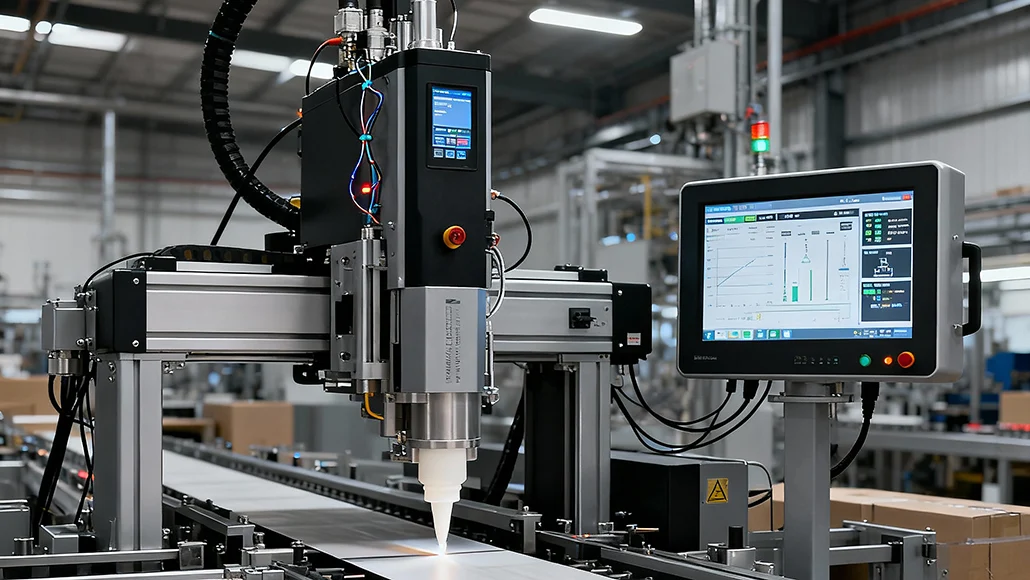

Integrating Connectivity and Data in Adhesive Equipment
Manufacturing operations worldwide are experiencing fundamental transformation as digital technologies reshape how production systems communicate, analyze performance, and optimize outcomes. Within this sweeping industrial evolution, adhesive dispensing equipment has emerged as a critical node in connected factory networks, generating valuable data streams that enable unprecedented visibility into bonding processes that were once opaque black boxes. The integration of connectivity data adhesive equipment represents more than incremental technological improvement—it constitutes a paradigm shift in how manufacturers approach adhesive application, moving from reactive troubleshooting to predictive optimization based on comprehensive process understanding.
Traditional adhesive systems operated in relative isolation, with operators making parameter adjustments based on visual inspection of finished products and accumulated experience rather than quantitative process data. When bonding failures occurred, investigation relied on limited information about what actually happened during adhesive application. The absence of detailed process data made root cause analysis challenging and prevented the systematic optimization that separates world-class operations from their competitors. Modern connected adhesive equipment eliminates these information gaps through continuous monitoring, intelligent analytics, and seamless integration with broader manufacturing control systems.
The Architecture of Connected Adhesive Systems
Contemporary adhesive dispensing platforms incorporate sophisticated sensor arrays that capture comprehensive data about every aspect of the bonding process. Pressure transducers monitor dispensing force throughout application cycles, detecting variations that indicate viscosity changes, partial obstructions, or supply irregularities. Temperature sensors track thermal parameters at multiple points within adhesive delivery paths, ensuring that material maintains optimal flow characteristics from melting chamber through application nozzle.
Flow meters quantify adhesive consumption with precision that enables correlation between dispensed volumes and production output. This measurement capability transforms adhesive from an uncontrolled variable into a managed process parameter with trackable metrics and improvement opportunities. When consumption patterns deviate from established baselines, analytics platforms identify the anomaly and prompt investigation before waste accumulates to significant levels.
The sensor data collected throughout adhesive operations flows to programmable logic controllers through industrial communication protocols optimized for manufacturing environments. Modbus TCP/IP, OPC UA, and other standardized interfaces ensure that adhesive equipment communicates seamlessly with diverse control systems regardless of manufacturer. This interoperability proves essential in facilities operating equipment from multiple vendors, where proprietary communication schemes would create information silos that undermine connected manufacturing strategies.
Ethernet connectivity extends data access beyond factory-floor controllers to cloud-based analytics platforms that provide remote monitoring and centralized visibility across multi-site operations. Plant managers access real-time adhesive system performance from any internet-connected device, enabling quick response to developing issues regardless of physical location. This remote access capability proves particularly valuable for organizations operating facilities across multiple time zones, where centralized expertise can support equipment worldwide.
Programmable Logic Controller Integration
The integration of adhesive equipment with programmable logic controllers creates closed-loop control systems that respond dynamically to changing production conditions. When line speed increases to meet demand surges, PLC systems automatically adjust adhesive flow rates to maintain proper application amounts. This automated parameter management ensures consistent product quality across varying production speeds without requiring manual intervention that introduces delays and potential errors.
Adhesive dispensing synchronized with upstream and downstream processes through PLC coordination optimizes overall production efficiency. Container arrival at adhesive application stations triggers dispensing sequences automatically, while absence of containers inhibits adhesive flow to prevent waste. This synchronization eliminates the manual coordination that characterized earlier production systems while ensuring that adhesive application occurs precisely when needed.
Digital inputs from quality inspection systems provide feedback that influences adhesive parameters in real time. When vision systems detect insufficient adhesive coverage, PLC logic increases dispensing amounts or slows line speed to ensure adequate application. Conversely, when inspection reveals excess adhesive, automated adjustments reduce flow to optimize material usage. This feedback-driven optimization achieves balance between quality assurance and material efficiency that manual control cannot match.
The integration pathways between adhesive equipment and PLCs vary based on system architecture and performance requirements. Hardwired integration provides reliable signal transmission for simple applications, though the inflexibility and installation complexity of direct wiring limit this approach to straightforward scenarios. Serial communication offers enhanced flexibility for a broader range of applications, though susceptibility to electrical interference and limited bandwidth constrain performance in demanding environments.
Ethernet-based communication represents the current standard for industrial adhesive system integration, providing the bandwidth, reliability, and flexibility that modern manufacturing demands. Deterministic protocols ensure precise timing coordination essential for synchronized motion control, while the familiar infrastructure reduces installation and maintenance complexity. As Industry 4.0 principles drive increasing connectivity, Ethernet communication enables the data-intensive operations that advanced analytics require.
Real-Time Monitoring and Visualization
The transformation of raw sensor data into actionable intelligence requires visualization tools that make complex information accessible to operators and managers with varying technical backgrounds. Modern adhesive control systems present process data through intuitive graphical interfaces that highlight critical parameters and alert operators to deviations requiring attention. Dashboard displays show key metrics like adhesive consumption rates, system temperatures, and dispensing pressures alongside trend graphs that reveal patterns over time.
Digital process signature technology visualizes adhesive dispensing operations in station and in real time, allowing operators to identify production issues at their source. When dispense pressure traces appear on operator screens during production, abnormal patterns become immediately apparent. The visual difference between normal dispensing signatures and those affected by partial nozzle clogs or air entrainment enables rapid diagnosis that minimizes quality escapes.
Advanced visualization platforms overlay multiple data streams to reveal relationships that isolated parameter displays obscure. When temperature, pressure, and flow rate appear on synchronized timelines, operators recognize how thermal variations influence viscosity and resulting flow characteristics. This integrated view supports more sophisticated troubleshooting than examining parameters in isolation allows.
Alert systems configured with intelligent thresholds notify operators when process parameters drift outside acceptable ranges. Rather than requiring continuous manual monitoring, automated alerting directs attention to situations requiring intervention while allowing normal operations to proceed without interruption. Configurable alert priorities ensure that critical issues trigger immediate response while less urgent deviations generate notifications for investigation during planned maintenance windows.
Mobile connectivity extends monitoring access beyond fixed workstations to smartphones and tablets that operators carry throughout facilities. When adhesive system alerts arrive on personal devices, operators respond more quickly than when alerts remain confined to control room displays. This mobile access proves particularly valuable for maintenance personnel supporting multiple production lines, enabling efficient prioritization and rapid response to developing issues.
Predictive Analytics and Artificial Intelligence
The massive data volumes generated by connected adhesive systems enable analytical approaches that were impossible with limited historical information. Machine learning algorithms identify subtle patterns in process data that correlate with impending failures or quality deviations. By learning from thousands of production cycles, these algorithms recognize the early indicators of problems that haven’t yet manifested in obvious symptoms.
Predictive maintenance represents one of the most valuable applications of adhesive system analytics. Rather than following rigid time-based maintenance schedules or waiting for failures to force intervention, predictive approaches trigger maintenance activities when actual equipment condition indicates the need. Component wear patterns revealed through sensor data analysis enable replacement before failure while avoiding premature part changes that waste serviceable components.
The implementation of predictive maintenance for adhesive equipment follows established patterns proven across manufacturing equipment categories. Baseline performance signatures captured during commissioning establish reference standards against which ongoing performance is compared. As equipment operates, progressive deviations from baseline signatures indicate developing wear or degradation that will eventually require maintenance intervention.
Predictive analytics platforms calculate remaining useful life estimates for critical components based on observed wear patterns and historical failure data. When filter differential pressure increases steadily toward levels that compromise adhesive flow, remaining life calculations prompt scheduled replacement before performance degrades. This predictive approach optimizes maintenance timing to balance component utilization against failure risk.
The integration of adhesive equipment data with enterprise maintenance management systems closes the loop between condition monitoring and maintenance execution. When analytics identify maintenance needs, work orders generate automatically with detailed information about detected issues and recommended corrective actions. Maintenance teams respond with necessary parts and expertise rather than beginning diagnosis after arrival at equipment, reducing overall maintenance duration.
Data-Driven Process Optimization
Beyond maintenance applications, the connectivity data adhesive equipment generates enables systematic process optimization that improves quality while reducing costs. Statistical process control based on continuous adhesive application monitoring reveals capability limitations and improvement opportunities. When process variation analysis shows that current parameters cannot consistently achieve target specifications, engineering investigations identify root causes and implement solutions that enhance capability.
Adhesive consumption optimization represents a particularly valuable application of connected system analytics. By correlating dispensed adhesive volumes with production output and quality results, operations identify minimum application amounts that achieve specification while eliminating excess that wastes material. The adhesive calculator functions integrated into advanced control systems quantify savings from reduced consumption in real time, making optimization efforts transparent and motivating.
Production traceability enabled by connected adhesive systems supports quality investigations and regulatory compliance requirements. Every dispensed bead links to specific adhesive lot numbers, equipment settings, and operator identifications through comprehensive data logging. When customer complaints or field failures require investigation, this forensic detail enables rapid identification of affected production lots and root cause determination.
The integration of adhesive data with manufacturing execution systems provides visibility into how bonding operations contribute to overall equipment effectiveness. Adhesive-related downtime becomes quantified and analyzed alongside other productivity losses, enabling fact-based prioritization of improvement initiatives. When data reveals that nozzle clogging causes more downtime than all other adhesive issues combined, focused attention on contamination prevention delivers maximum impact.
Industrial Internet of Things Platforms
The emergence of Industrial Internet of Things technologies purpose-built for manufacturing environments has accelerated the deployment of connected adhesive systems. IoT platforms provide the infrastructure necessary to collect, transmit, store, and analyze the data streams generated by modern adhesive equipment. Henkel’s Loctite Pulse platform exemplifies how adhesive manufacturers are developing comprehensive IoT solutions that address the full lifecycle of connected equipment.
Smart adhesive dispensing systems incorporating IoT capabilities provide real-time monitoring of parameters like pressure, temperature, and adhesive levels. Sensors embedded in dispensing equipment continuously track these variables and transmit data to cloud platforms where analytics engines process information and identify anomalies. When parameters deviate from acceptable ranges, automated detection systems trigger alerts that prompt corrective action before defects occur.
Remote access and control enabled by IoT connectivity allow equipment specialists to monitor systems and adjust parameters from any location. This capability proves particularly valuable when specialized expertise resides at central locations supporting distributed facilities. Rather than dispatching experts to sites when issues emerge, remote diagnosis and parameter adjustment resolves many situations without travel delays and expense.
Cloud-based platforms aggregate data from adhesive equipment across multiple facilities, enabling enterprise-wide visibility into bonding operations. Manufacturing organizations operating dozens of sites gain unprecedented insight into comparative performance, identifying facilities that excel and those requiring improvement. Best practices developed at high-performing locations propagate to other sites through data-driven understanding of what differentiates excellent from adequate operations.
The data storage and computational capabilities of cloud platforms enable analytical approaches that would overwhelm on-premise infrastructure. Historical data spanning years of operation feeds machine learning models that require massive training datasets to achieve accuracy. As these models mature through exposure to diverse operating scenarios, their predictive capabilities improve, delivering increasingly reliable guidance about optimal parameters and maintenance timing.
Cybersecurity Considerations
The connectivity enabling advanced adhesive system capabilities introduces cybersecurity concerns that require thoughtful mitigation. Equipment connected to enterprise networks becomes potential attack vectors that malicious actors might exploit to disrupt operations or access sensitive data. Comprehensive cybersecurity strategies balance the benefits of connectivity against these risks through multiple defensive layers.
Secure communication protocols employing encryption prevent unauthorized interception of data transmitted between adhesive equipment and control systems. Transport Layer Security and similar cryptographic approaches ensure that process data remains confidential during transmission across potentially insecure networks. Certificate-based authentication verifies that connected devices are legitimate equipment rather than spoofed systems attempting unauthorized access.
Network segmentation isolates production equipment from general enterprise networks and internet connections. When adhesive dispensing systems communicate only within isolated operational technology networks, the attack surface available to external threats decreases substantially. Firewalls and intrusion detection systems at segment boundaries provide additional defensive layers that monitor traffic patterns and block suspicious communications.
Role-based access control limits equipment configuration changes to authorized personnel with legitimate need for administrative access. When adhesive system parameters become locked against modification except by authenticated users with appropriate permissions, accidental or malicious changes that compromise production become far less likely. Audit logging records all parameter changes with user identification and timestamps, creating accountability that discourages unauthorized access attempts.
Standardization and Interoperability
The proliferation of connected adhesive equipment from diverse manufacturers has highlighted the importance of communication standards that ensure interoperability across mixed equipment environments. Organizations deploying adhesive systems from multiple vendors require assurance that equipment will integrate smoothly with existing control infrastructure rather than demanding separate communication networks for each manufacturer’s products.
The adoption of standardized protocols like OPC UA represents industry recognition that proprietary communication schemes create barriers to adoption and limit the network effects that make connected manufacturing valuable. When adhesive dispensing equipment supports universally recognized industrial protocols, integration complexity decreases while flexibility increases. Facilities can select best-in-class equipment for specific applications confident that communication compatibility won’t force suboptimal technical choices.
Middleware solutions provide translation services that bridge communication gaps between equipment using incompatible native protocols. When older adhesive systems employing legacy communication coexist with modern equipment using contemporary standards, middleware enables all devices to participate in connected manufacturing architectures. This bridging capability protects existing equipment investments while enabling progressive migration toward fully standardized communication infrastructure.
Industry consortia developing connectivity standards increasingly include adhesive equipment manufacturers and end users whose practical experience informs specification development. This collaborative approach ensures that emerging standards address real-world manufacturing requirements rather than theoretical capabilities that prove impractical in production environments. The participation of major adhesive system manufacturers in standards organizations signals industry commitment to interoperability that benefits all stakeholders.
The trajectory of connectivity data adhesive equipment points toward increasingly sophisticated integration that further enhances manufacturing capability. As 5G wireless networks enable reliable, low-latency communication throughout production facilities, adhesive equipment will shed the wired connections that currently constrain placement flexibility. Edge computing capabilities embedded in dispensing systems will process sensor data locally, reducing cloud communication bandwidth requirements while enabling real-time control decisions that network latency currently precludes.
Augmented reality interfaces will overlay adhesive system data onto operator views of physical equipment, providing intuitive visualization of invisible process parameters. When technicians wearing AR headsets look at adhesive dispensers, real-time temperature distributions, flow rates, and maintenance status appear as virtual annotations superimposed on equipment. This contextual data presentation accelerates troubleshooting and supports less experienced personnel by making expert knowledge continuously accessible.
The integration of adhesive system data with broader digital twin platforms will enable sophisticated simulation and optimization impossible with isolated equipment models. Virtual representations of complete production lines incorporating detailed adhesive dispensing models will predict how parameter changes ripple through manufacturing processes, supporting risk-free experimentation that identifies optimal configurations. As digital twins mature from descriptive models toward prescriptive optimization engines, connected adhesive systems will contribute essential data that makes comprehensive production optimization possible.
The transformation of adhesive equipment from isolated machinery into nodes within intelligent manufacturing networks exemplifies the profound changes sweeping industrial production. Organizations embracing connectivity data adhesive equipment gain visibility, control, and optimization capabilities that deliver measurable competitive advantages through improved quality, reduced costs, and enhanced agility. As connectivity technologies continue maturing and analytical capabilities advance, the gap between connected operations and those relying on traditional approaches will widen, making integration less optional and more essential for manufacturing success.