













Key Takeaways
- High-barrier films prevent oxygen permeation protecting light-sensitive and oxidation-prone products, extending shelf life by 50-100% compared to uncoated materials
- Mono-material film structures enable mechanical recycling feasibility while maintaining barrier properties equivalent to traditional multi-layer aluminum-laminated alternatives
- Heat-resistant substrates maintain structural integrity at elevated temperatures, enabling products to withstand microwave heating, hot-fill processing, and tropical storage conditions
- EVOH and PVA barrier layers provide cost-effective oxygen barriers compared to aluminum while maintaining transparent product visibility and recyclability
- Clear high-barrier (CHB) films balance transparency enabling product visibility with exceptional moisture and oxygen barrier properties previously requiring foil laminations
- Variable thickness film structures optimize material consumption while maintaining required barrier properties reducing material cost and environmental impact
- Sealant layer customization enables peelable, frangible, or hermetic sealing depending on application requirements each requiring distinct material selection and thermal profiling
Flexible packaging performance is fundamentally determined by material selection and laminate structure design. The choice between transparent or metallized substrates, selection of barrier technologies, and decisions regarding laminates composition directly influence product shelf life, sustainability potential, printability characteristics, and end-user experience. Contemporary material innovation addresses competing demands: extending product shelf life through superior barrier properties, reducing environmental impact through sustainable material selection, maintaining cost competitiveness, and enabling printing and finishing operations without compromising performance.
The flexible packaging industry increasingly recognizes that material selection represents perhaps the single most consequential packaging design decision. Superior material engineering overcomes production challenges, reduces waste, extends product viability, and enables sustainability alignment. Organizations understanding material properties and application-specific requirements gain competitive advantages through optimized packaging systems delivering superior cost, performance, and environmental profiles compared to standardized approaches.
Barrier Film Technologies and Shelf Life Extension
Barrier films represent the technological foundation enabling flexible packaging to protect sensitive products from environmental exposure. Products sensitive to oxygen permeation fatty foods, beverages, nutritional supplements rapidly deteriorate when exposed to atmospheric oxygen. Barrier films incorporating specialized coating technologies or laminated barrier layers prevent oxygen transmission, dramatically extending shelf life and maintaining product quality throughout intended storage periods.
Traditional aluminum laminated structures provide exceptional oxygen barriers reducing oxygen transmission rates to near-zero values yet compromise recyclability and environmental sustainability. Modern barrier innovations achieve equivalent performance through alternative approaches: EVOH (ethylene vinyl alcohol) interlayers between polyolefin layers provide oxygen barriers comparable to foil while enabling mechanical recycling; aluminum oxide coating applied to PET films creates transparent high-barrier structures; PVDC (polyvinylidene chloride) coated films provide moisture barriers critical for oxygen-sensitive applications.
Clear high-barrier (CHB) films represent significant innovation in transparent barrier technology. These coextruded structures combining multiple layers with optimized thickness ratios achieve oxygen transmission rates (OTR) below 1-5 cubic centimeters per square meter per day comparable to foil-based alternatives while maintaining transparency enabling product visibility. CHB films cost substantially less than foil while outperforming conventional uncoated polymers, making them economically attractive across numerous applications.
Moisture barrier properties prove equally critical for hygroscopic products including powders, medicines, and desiccant-sensitive items. Moisture-resistant materials incorporating PVDC, metallized surfaces, or specialized polymer selections prevent water vapor transmission, protecting product integrity in humid environments or following temperature fluctuations. High-moisture-barrier materials maintain moisture vapor transmission rates (MVTR) below 1-5 grams per square meter per day low enough to protect moisture-sensitive products through full shelf life under challenging environmental conditions.
Laminate Structure Optimization and Multi-Layer Design
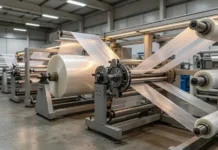
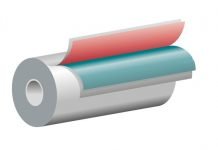
High-strength laminates combine multiple material layers, each contributing specific functional properties. A typical food packaging laminate might combine: outer layer providing printability and structural protection; barrier layer preventing oxygen or moisture transmission; sealant layer enabling package closure and creating structural integrity. Each layer selection reflects specific functional requirements and performance targets.
Material scientists employ sophisticated modeling and testing protocols optimizing laminate structures for specific applications. Thickness ratios between layers influence cost, barrier performance, and mechanical properties. Barrier layer positioning affects production complexity internal barriers simplify manufacturing but external barriers provide direct environmental protection. Sealant layer selection determines seal temperature ranges, peel strength characteristics, and thermal stability requirements.
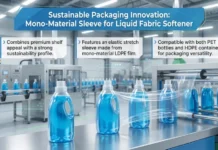
The shift toward mono-material films reflects both sustainability objectives and manufacturing innovation. Structures composed entirely of polyethylene or polypropylene achieve recyclability while maintaining barrier properties through molecular orientation and specialized processing. Machine Direction Orientation (MDO) techniques create crystalline structures improving barrier properties without requiring multiple material types. These mono-PE or mono-PP structures integrate into existing plastic recycling infrastructure, dramatically improving recovery rates compared to traditional multi-layer alternatives.
Heat-Resistant Substrates and Thermal Processing Compatibility
Many applications require heat-resistant substrates maintaining structural integrity when exposed to elevated temperatures. Frozen foods requiring microwave heating demand films withstanding steam pressure without becoming excessively soft or compromised. Hot-fill operations transferring heated product directly into flexible packages require materials withstanding thermal shock without degradation. Tropical storage conditions or automotive dashboard environments expose packaging to temperatures exceeding 70°C, demanding films maintaining strength and barrier properties across temperature ranges.
Advanced polypropylene formulations incorporating special stabilizers and crystalline structures provide superior thermal resistance compared to standard films. Polyethylene terephthalate (PET) provides exceptional thermal stability, maintaining mechanical properties across wide temperature ranges critical for applications subjected to temperature extremes. Hybrid structures combining PET surfaces with polyethylene or polypropylene substrates optimize thermal performance while maintaining cost competitiveness and sustainability potential.
The selection of sealant layers influences thermal processing capabilities. Conventional seal layers including cast polypropylene or low-density polyethylene have relatively low thermal tolerances excessive heat temperatures compromise sealant integrity. High-temperature sealant formulations enable increased processing flexibility, supporting rapid-filling operations and hot-seal processing previously impossible with conventional materials.
Recyclable and Sustainable Material Selection
The transition toward recyclable barrier films addresses urgent sustainability requirements while maintaining functional performance. Coextruded PE films with minimal aluminum oxide coating thickness achieve barrier performance comparable to heavier foil laminations while enabling mechanical recycling. These innovative structures require sophisticated processing expertise yet deliver environmental performance attracting brand owners committed to circular economy principles.
Mono-material structures represent perhaps the most significant sustainability innovation, dramatically improving recyclability potential. A pouch constructed entirely from polyethylene eliminates barrier material compatibility issues plaguing multi-layer structures. Sorting equipment quickly identifies polyethylene pouches and processes them through established recycling streams. Recovery rates increase from <5% for traditional multi-layer packaging to >70% for mono-PE structures integrated into existing mechanical recycling infrastructure.
Bio-based and compostable materials represent emerging sustainability frontiers. Polylactic acid (PLA) derived from renewable resources offers barrier properties sufficient for numerous applications while providing industrial compostability. Polyhydroxyalkanoates (PHA) from bacterial fermentation processes provide similar benefits with improved environmental profiles. While cost premiums currently limit adoption, declining production costs and increasing brand owner sustainability commitments accelerate market penetration.
Printability and Processing Considerations
Material selection directly influences printing compatibility and production efficiency. Flexible packaging materials must balance barrier and structural properties against printability requirements. Rough or porous surfaces improve ink adhesion but may compromise appearance; smooth surfaces enhance aesthetics but may require special ink formulations or primer coatings. Metallized surfaces provide premium visual appearance but complicate printing and challenge recyclability.
Surface treatment technologies including corona discharge or plasma treatment improve ink adhesion on challenging substrates. These pre-treatments create chemical bonds between inks and film surfaces, improving durability and preventing ink degradation during handling or use. Selection of appropriate surface treatments influences finishing operation success inadequate ink adhesion compromises product aesthetics and functionality.
Film thickness consistency directly influences production efficiency and waste rates. Inconsistent thickness causes registration problems during printing, reduces finishing accuracy, and creates waste through quality failures. Premium film suppliers employ sophisticated quality control maintaining tight thickness tolerances critical for consistent digital and conventional printing operations.
Application-Specific Material Requirements
Different application categories demand distinct material optimization approaches. Food packaging requires materials contacting food contents to meet stringent regulatory requirements preventing migration of harmful substances. Pharmaceutical applications demand materials withstanding long-term humidity and temperature cycling without barrier property degradation. Cosmetic packaging often prioritizes aesthetics and brand differentiation alongside functional performance.
Beverage applications typically require exceptional oxygen barriers extending shelf life beyond 6-12 months, demanding either high-barrier coatings or foil incorporation. Prepared foods require heat-resistance for microwave processing or hot-fill operations. Confectionery and snack applications prioritize moisture barriers maintaining product crispness throughout shelf life.
The diversity of application requirements demands portfolio approaches offering optimized material options for specific application categories. Sophisticated packaging converters develop application-specific material databases facilitating optimal material selection supporting cost, performance, and sustainability objectives simultaneously.
Performance Testing and Validation
Material performance verification demands rigorous testing protocols ensuring barrier properties, mechanical strength, and thermal characteristics meet application requirements. Oxygen transmission rate testing quantifies barrier effectiveness at specified temperatures and humidity conditions. Moisture vapor transmission testing verifies desiccant properties critical for sensitive products. Mechanical testing including tensile strength, elongation, and tear resistance evaluation confirms materials withstand handling, distribution, and use conditions.
Environmental stress crack resistance testing identifies materials vulnerable to failure when exposed to certain substances or stress conditions. Hot-temperature aging studies predict long-term property changes occurring during extended storage. These comprehensive testing protocols provide quantified performance data guiding material selection and enabling predictive performance forecasting throughout product shelf life.
Cost Optimization and Value Engineering
Material selection significantly influences packaging costs often representing 40-50% of total packaging system cost. Strategic material selection optimizing value involves balancing performance requirements against cost targets. Unnecessary performance margins waste resources; insufficient performance creates product failures and brand reputation damage.
Value engineering approaches evaluate cost-reduction opportunities without compromising essential performance. Thickness optimization identifies minimum material consumption maintaining required barrier or strength properties. Resin selection among acceptable alternatives identifies cost-competitive options. Processing optimization reduces waste rates and improves production efficiency.
Supply Chain Integration and Procurement Strategy
Sustainable material sourcing requires sophisticated supplier relationships and procurement strategies. Raw material volatility, supply chain disruptions, and increasing environmental regulations create ongoing procurement challenges. Strategic procurement relationships providing advance visibility into pricing, availability, and supply constraints enable proactive material planning.
Supplier diversification protects against supply disruptions while creating competitive pressure maintaining quality and pricing discipline. Alternative material specifications providing backup options when preferred materials experience supply constraints improve supply chain resilience. Collaborative relationships with material suppliers facilitate mutual problem-solving addressing technical challenges or emerging opportunities.
Future Material Innovations
Emerging materials including intelligent packaging incorporating freshness indicators, active packaging releasing preservative compounds, or modified atmosphere packaging systems represent frontier technology opportunities. Nanotechnology integration may enable revolutionary barrier performance through extremely thin coatings. Biodegradable polymers from emerging microbial sources may deliver environmental performance matching or exceeding contemporary best options.
Conclusion
High-performance flexible packaging materials represent sophisticated balance between competing objectives: superior barrier properties extending shelf life and protecting product integrity; recyclability enabling circular economy participation; thermal compatibility supporting manufacturing flexibility; printability enabling brand differentiation and regulatory communication. Strategic material selection addressing application-specific requirements while optimizing cost, sustainability, and performance delivers packaging systems providing value across entire value chains. Organizations developing expertise in material science and application-specific optimization gain competitive advantages through superior packaging solutions commanding price premiums and supporting brand differentiation in increasingly sophisticated packaging markets.