















Key Takeaways
- High-resolution digital corrugated printing delivers photographic-quality graphics and detailed brand storytelling impossible with conventional flexographic approaches
- Lightweight corrugated structures reduce material consumption by 15-25% while maintaining structural integrity through optimized board flute combinations and fiber selection
- Multi-depth boxes with adjustable height accommodate varying product sizes, reducing packaging waste and improving shipping efficiency compared to fixed-height alternatives
- Unboxing experience design featuring custom inserts, premium finishes, and distinctive aesthetics drive social media sharing and enhance brand perception
- Recyclable water-based coatings and adhesives maintain 100% corrugated recyclability while providing moisture resistance and premium aesthetics previously requiring non-recyclable coatings
- Fiber optimization including recycled content incorporation and virgin fiber efficiency improvements reduce raw material consumption while maintaining structural performance
- Smart packaging integration including QR codes, temperature indicators, and tamper-evident features enhances functionality while supporting supply chain transparency and consumer engagement
E-commerce has fundamentally restructured packaging requirements and competitive dynamics. Where traditional retail packaging optimizes for shelf presentation in controlled retail environments, e-commerce packaging must simultaneously protect products during multiple distribution stages, arrive in pristine condition after rough handling, create engaging unboxing experiences driving social media sharing, and reflect brand identity during critical moments when consumers receive products. These competing demands require sophisticated design approaches balancing durability, aesthetics, sustainability, and cost making corrugated packaging a critical competitive differentiator rather than mere commodity container.
The global e-commerce packaging market continues expanding at 4-6% annually, driven by persistent retail channel shift and increasing consumer preference for online shopping. Packaging represents one of the few tangible brand touchpoints in digital commerce the moment consumers interact physically with shipped products provides powerful opportunity for brand differentiation and emotional connection. Sophisticated brands increasingly recognize packaging as integral component of customer acquisition, retention, and lifetime value strategies rather than mere logistics cost.
Digital Printing Transformation in Corrugated Production
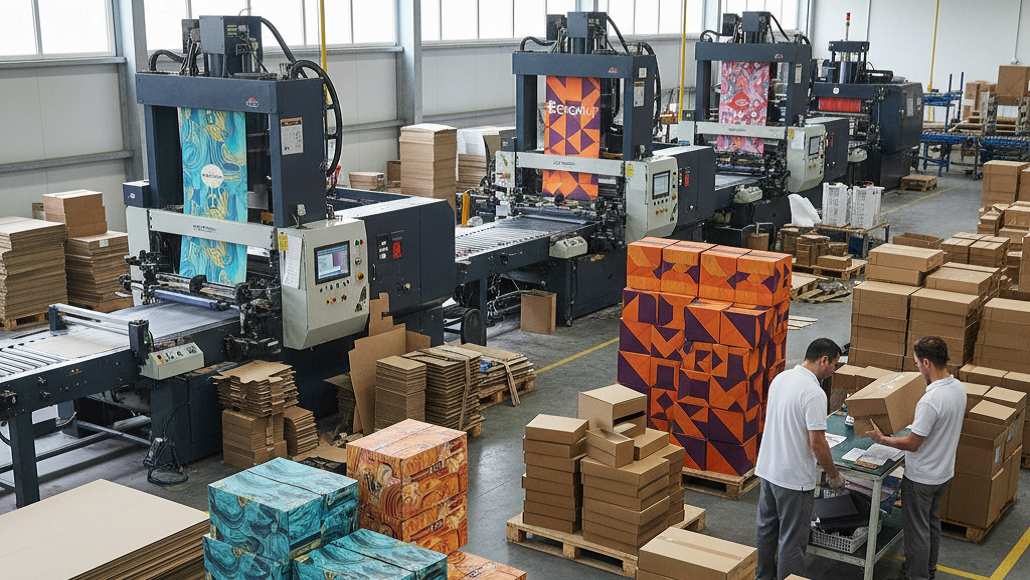
Digital corrugated printing represents one of the most transformative technologies reshaping the industry. Traditional flexographic printing, while economical for long runs, requires plate engraving, color matching, and extensive setup procedures limiting design flexibility and extending time-to-market. Digital printing eliminates plates and significantly reduces setup complexity, enabling high-quality, complex graphics at production speeds competing with conventional approaches for medium-volume applications.
High-resolution printing capabilities enable photographic-quality images, detailed product photography, and subtle color gradations impossible with conventional printing. Premium brands leverage this quality to create distinctive packaging reflecting product positioning and brand personality. Detailed graphics, gradient backgrounds, and photography-quality images transform corrugated boxes from utilitarian containers into premium brand expressions.
Variable data capabilities enable personalization at scale each box can incorporate unique information reflecting recipient identity, promotional codes, seasonal messaging, or region-specific information. This customization transforms packaging from generic containers into personalized brand communications driving consumer engagement and enabling targeted marketing through packaging channels.
Color management sophistication enables consistent color reproduction across distributed printing facilities and extended production runs. Standardized G7 color profiling achieves delta-E (color variance) values of 2-3 across different substrates and production shifts industry-leading consistency supporting brand color standardization and visual impact across all packaging touchpoints.
Structural Design Innovation and Unboxing Experience
Contemporary corrugated box design extends far beyond utilitarian shipping containers to encompassing sophisticated structural design supporting engaging consumer experiences. Unboxing experience design the moment consumers open and discover products receives strategic attention from leading brands recognizing this emotional touchpoint drives consumer satisfaction, repeat purchases, and social media advocacy.
Multi-depth boxes with adjustable height accommodate varying product sizes, reducing packaging waste compared to fixed-height alternatives. Pre-scored lines enable easy height adjustment without requiring box replacement. This flexibility reduces packaging inventory complexity, simplifies storage, and minimizes waste from oversized or undersized boxes.
Custom inserts and protective structures maintain products in optimal presentation during shipment while facilitating easy product discovery. Die-cut cardboard trays position products precisely, preventing movement during transit while creating visual focal points during unboxing. Premium materials and finishes embossed textures, specialty coatings, distinctive colors create tactile experiences distinguishing premium brands from commodity competitors.
Easy-assembly features reduce fulfillment complexity and labor requirements. Flat-pack boxes minimize warehouse storage requirements while maintaining structural integrity during assembly. Anti-crush designs protect box integrity during stacking and handling despite reduced material consumption.
Sustainability and Environmental Performance
Light weighting technology reduces corrugated consumption while maintaining structural performance through optimized board flute combinations, refined fiber selection, and sophisticated structural design. Modern designs often achieve 15-25% material reduction compared to conventional specifications while exceeding structural requirements. This material efficiency reduces costs, minimizes environmental impact, and improves shipping economics through reduced weight and dimensional efficiency.
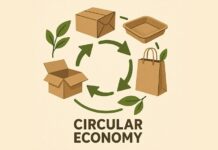
Recyclable coatings including water-based varnishes and aqueous adhesives maintain complete corrugated recyclability while providing moisture resistance, premium aesthetics, and structural durability previously requiring non-recyclable synthetic coatings. The transition to recyclable finishing systems aligns packaging design with circular economy principles while maintaining competitive performance characteristics.
Fiber optimization including post-consumer recycled (PCR) content incorporation and virgin fiber efficiency improvements reduces raw material consumption. Many manufacturers now incorporate 50-100% post-consumer recycled content while maintaining structural performance and print quality. This circular approach conserves virgin forest resources while supporting established collection and recycling infrastructure.
Energy efficiency improvements in corrugated manufacturing reduce production energy consumption, supporting sustainability objectives. Modern corrugating plants employ heat recovery systems, optimized steam management, and process efficiency improvements reducing energy intensity per unit production compared to legacy equipment. These operational improvements reduce carbon footprint across manufacturing operations.
Moisture Protection and Environmental Durability
Modern corrugated board incorporates moisture-resistant sizing treatments protecting interior components from humidity exposure during storage or transportation through humid environments. These internal sizing treatments often starch-based and fully recyclable provide moisture protection equivalent to traditional coatings while maintaining complete recyclability.
Water-resistant exterior coatings derived from renewable resources protect corrugated surfaces from moisture exposure without compromising recyclability. These bio-based coatings perform equivalently to synthetic alternatives while supporting sustainability positioning and enabling credible environmental marketing claims.
Brand Differentiation and Premium Positioning
E-commerce brands increasingly use corrugated packaging as primary brand touchpoint during critical unboxing moments. Premium finishes including embossed textures, specialty coatings, and metallic accents create distinctive tactile experiences. Custom die-cuts create recognizable shapes distinguishing premium brands from commodity competitors.
Color psychology strategies employ specific color palettes reflecting brand personality and supporting brand recognition. Consistent color application across all packaging elements boxes, inserts, tissue paper creates cohesive brand experience reinforcing brand identity during unboxing moments.
Custom printing techniques including holographic effects, spot varnish applications, and textured elements create distinctive packaging nearly impossible for competitors to replicate quickly. These differentiated approaches support premium pricing while creating emotional brand connections driving consumer loyalty.
Supply Chain Integration and Logistics Optimization
Corrugated packaging dimensions directly influence shipping economics. Optimized dimensions reducing cubic footage while maintaining product protection improve logistics efficiency and reduce shipping costs. Customized box sizing for specific product combinations reduces material waste and maximizes shipping efficiency.
Retail-ready packaging incorporating printed shelving instructions or promotional displays reduces retailer handling and restocking labor. These specialized formats, while commanding modest price premiums, generate economic value through reduced retail labor requirements and improved product presentation at point-of-sale.
Subscription box applications represent rapidly growing corrugated segment where personalization, repeated monthly usage, and unboxing experience optimization drive category growth. These applications benefit substantially from digital printing capabilities enabling design variation across subscription editions while maintaining consistent brand identity.
Technology Integration and Smart Packaging
QR code integration enables digital engagement with packaged products. Consumers scanning codes access product information, loyalty programs, or exclusive content. These digital touchpoints create opportunities for data collection regarding customer behavior, preferences, and satisfaction insights informing product development and marketing optimization.
Temperature-sensitive elements embedded within corrugated packaging provide visible indicators when products experience temperature excursions during distribution. These smart elements provide transparency regarding handling and storage conditions, enabling consumers to verify product integrity and justifying premium pricing through demonstrated quality assurance.
Tamper-evident features incorporated into box seals or closure mechanisms provide visible evidence of unauthorized access. These security features are particularly valuable for food, pharmaceutical, or high-value applications where product integrity provides critical differentiator.
Implementation Challenges and Optimization
Corrugated manufacturing requires balancing structural performance, cost competitiveness, and print quality across diverse applications and market segments. Different product categories demand distinct performance characteristics heavy products require substantial flute strength; temperature-sensitive products require moisture protection; premium products require print quality and aesthetic perfection.
Color management complexity arises from diverse ink systems, substrate variations, and process variables influencing final appearance. Professional color management employing G7 standardization and comprehensive quality control maintains consistency despite production complexity.
Material selection optimization requires understanding specific product requirements, distribution environments, and sustainability objectives. Standardized material specifications enable cost efficiency through volume purchasing, yet customization sometimes justifies premium material costs through improved performance or brand differentiation.
Market Dynamics and Growth Drivers
E-commerce growth continues accelerating corrugated packaging demand, particularly for first-mile delivery where corrugated protection proves essential. Personalization and customization trends support digital printing adoption enabling design variation supporting brand differentiation and consumer targeting.
Sustainability expectations increasingly influence brand and retailer purchasing decisions. Corrugated packaging’s established recyclability, renewable fiber sources, and continuous environmental performance improvements position the material advantageously compared to alternatives. This competitive advantage likely persists as environmental regulations tighten and consumer preferences increasingly favor sustainable solutions.
Future Evolution
Emerging technologies including augmented reality integration enabling interactive digital experiences through corrugated packaging, advanced sustainability innovations including bio-based adhesives and finishes, and continued structural innovation support ongoing category growth and evolution.
Conclusion
Corrugated packaging has evolved from utilitarian shipping container to strategic marketing medium and critical competitive differentiator within e-commerce markets. The convergence of technological capability, consumer expectation for engaging experiences, and sustainability imperatives has established corrugated as premium packaging format supporting brand differentiation and environmental alignment simultaneously. Organizations embracing corrugated packaging innovation leveraging digital printing, sophisticated structural design, and sustainability positioning gain competitive advantages in increasingly crowded e-commerce markets where brand presentation and consumer experience increasingly determine purchasing decisions and customer loyalty.