












Key Takeaways:
- Smart packaging innovations are revolutionizing the way brands interact with their customers by embedding digital touchpoints directly into the physical product. This integration of QR code packaging and interactive elements allows for real-time engagement, providing consumers with instant access to product origins, usage guides, and loyalty rewards, thereby fostering a deeper and more transparent relationship.
- The adoption of intelligent packaging technology is significantly improving supply chain transparency and product safety through the use of active sensors and data tracking. By monitoring environmental conditions and authenticity, these digital packaging solutions ensure that consumers receive goods in optimal condition while offering brands invaluable data insights into consumer behavior and product lifecycle management.
The traditional role of packaging was once confined to the simple tasks of containment, protection, and basic information. However, we have entered a sophisticated era where the box is no longer just a box. Through the rapid rise of smart packaging innovations, the physical shell of a product has become a dynamic interface a bridge connecting the physical world with the digital realm. This evolution is fundamentally enhancing consumer experience by transforming passive containers into interactive tools that provide value far beyond the initial purchase. In a market where attention is the ultimate currency, these technological advancements are proving to be the differentiator for forward-thinking brands.
The Digital Handshake: QR Code Packaging and Interactive Labels
One of the most ubiquitous yet powerful elements of this shift is the integration of QR code packaging. While QR codes have been around for years, their application has matured significantly. No longer do they lead to a static homepage; instead, they serve as gateways to immersive brand storytelling. Consumers can now scan a bottle of wine to see a video of the vineyard, or scan a garment tag to trace the entire supply chain from the cotton field to the retail shelf.
Immersive Storytelling and Brand Transparency
This interactive packaging builds a layer of trust and transparency that was previously impossible to achieve. When a consumer scans a QR code, they aren’t just looking for a discount; they are looking for a story. They want to know the “who, what, and where” of their purchase.
Utilizing Augmented Reality for Engagement
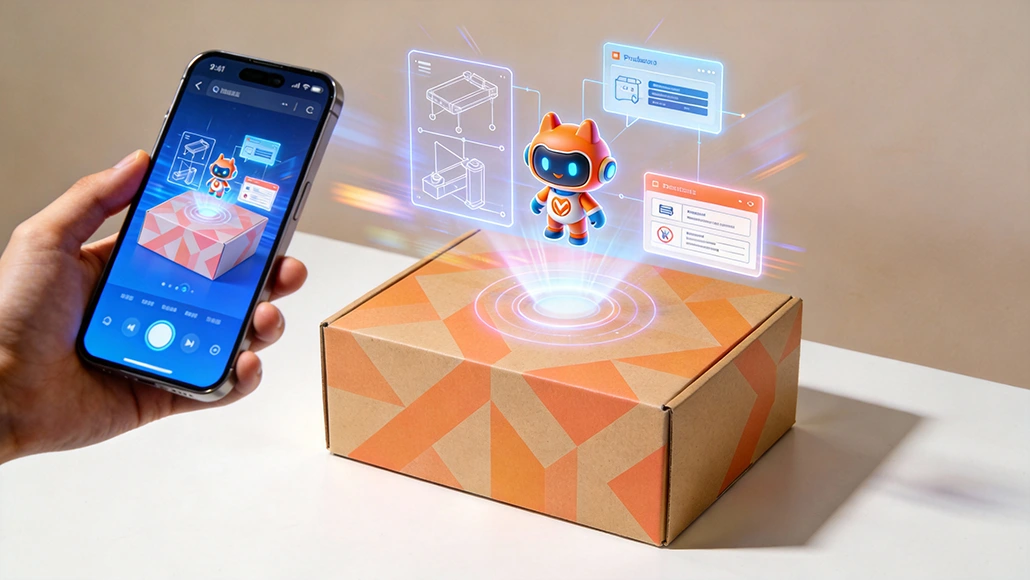
Beyond simple information retrieval, digital packaging is finding its stride through Augmented Reality (AR). By pointing a smartphone camera at a package, consumers can see 3D animations, participate in gamified brand experiences, or visualize how a product might look in their own home. These smart packaging innovations turn the unboxing process into a theatrical event, increasing the “shareability” of the product on social media. This turns every customer into a potential brand ambassador, sharing their interactive experience with a global audience.
The Rise of Intelligent Packaging Technology
Intelligent packaging goes a step further by using sensors and indicators that respond to the environment or the product’s condition. For instance, color-changing labels on temperature-sensitive pharmaceuticals or perishable foods provide a visual guarantee of safety. This level of packaging technology empowers the consumer, giving them tangible proof of product quality.
Real-Time Freshness and Safety Indicators
Imagine a carton of milk where the label gradually changes color as the product nears its expiration, or a package of fish that signals if the cold chain was broken during transport. These smart packaging innovations move away from static “best before” dates toward real-time biological data. For the consumer, this means absolute certainty in the safety and quality of their food. For the brand, it means a reduction in liability and an increase in perceived value through high-tech freshness preservation.
Enhancing Security and Authenticity in a Global Market
In an age where counterfeiting is a multi-billion dollar problem, smart packaging innovations provide a robust defense. Near Field Communication (NFC) tags and RFID technology allow consumers and retailers to verify the authenticity of high-value items with a simple tap.
Anti-Counterfeiting and Brand Protection
This packaging technology ensures that the consumer is getting exactly what they paid for, which is crucial for luxury goods, electronics, and health products. When a consumer can verify a product’s authenticity via their smartphone, it builds an unshakeable bond of trust.
The Role of Blockchain in Digital Packaging
By linking digital packaging to blockchain ledgers, brands can provide a tamper-proof record of a product’s journey. Every stop in the logistics chain is recorded, and this data can be made accessible to the consumer via interactive packaging. This level of security is becoming the gold standard for high-end fashion, fine spirits, and pharmaceuticals, where the provenance of the item is as important as the item itself.
Personalization Through Packaging Technology
The era of mass marketing is being replaced by the era of mass personalization. Smart packaging innovations allow brands to speak directly to the individual.
Customized Content and Recommendations
Through the data gathered from scans, brands can offer personalized content. If a consumer scans a bottle of gin, the interactive packaging might offer a cocktail recipe based on the current weather in their location or suggest a specific tonic water that is on sale at their local grocery store.
Direct-to-Consumer Communication Channels
Digital packaging creates a Direct-to-Consumer (DTC) channel that bypasses the retailer. It allows the brand to gather first-party data on who is buying their product and how they are using it. This data is invaluable for future product development and targeted marketing campaigns. By making the packaging “smart,” brands are effectively placing a digital concierge in the hands of every customer, ready to assist, inform, and upsell in a way that feels helpful rather than intrusive.
The Role of Connectivity in Supply Chain Efficiency
While the consumer sees the interactive side, the back-end benefits of smart packaging innovations are equally transformative. Intelligent packaging allows for real-time tracking of goods as they move through the logistics network.
Logistics Optimization and Inventory Management
This connectivity reduces loss, prevents theft, and ensures that inventory is managed with surgical precision. When the package can “talk” to the warehouse management system, the entire ecosystem becomes more efficient.
Reducing Food Waste Through Intelligent Logistics
In the food industry, packaging technology that monitors temperature and humidity can alert logistics managers to potential issues before the food spoils. By redirecting shipments that are aging faster than expected or identifying “hot spots” in a warehouse, smart packaging innovations play a direct role in reducing global food waste. This efficiency eventually trickles down to the consumer in the form of lower prices and a more reliable supply of fresh products.
Accessibility and Inclusivity in Smart Design
One of the most profound impacts of smart packaging innovations is their potential to help those with disabilities.
Assisting the Visually Impaired
For the visually impaired, interactive packaging can be a life-changing tool. NFC-enabled labels can be scanned to trigger a smartphone to read out the product name, nutritional information, and cooking instructions.
Inclusive Technology for an Aging Population
As the global population ages, intelligent packaging can assist those with cognitive impairments or memory loss. Packages that can alert a smartphone when a medication bottle hasn’t been opened by a certain time are already becoming a reality. This application of packaging technology demonstrates that “smart” isn’t just about marketing it’s about making the world more accessible and safer for everyone.
Sustainability Meets Technology: A Harmonious Future
A common concern is whether adding technology to packaging compromises sustainability. Interestingly, many smart packaging innovations are designed to reduce waste.
Digital Manuals and Paper Reduction
By accurately tracking shelf life and freshness, intelligent packaging can significantly reduce food waste. Furthermore, digital packaging allows brands to move away from bulky paper manuals and inserts, as all necessary information from instructions to warranties can be stored digitally and accessed via a QR code packaging link.
The Challenge of E-Waste and Bio-Electronics
The industry is currently tackling the challenge of the e-waste generated by sensors. The next wave of smart packaging innovations involves “printed electronics” and bio-based sensors that can be recycled along with the paper or plastic they are attached to. This synthesis of technology and environmental consciousness is a hallmark of modern packaging innovation, proving that being “smart” also means being responsible.
The Future of Consumer-Centric Design
As we look toward the future, the integration of 5G and the Internet of Things (IoT) will only accelerate the adoption of these tools. We can expect packaging that automatically reorders itself when it detects that the contents are low, or labels that can update their pricing or promotional information in real-time based on local demand.
The Convergence of Physical and Digital Retail
The retail store of the future will be a playground of interactive packaging. Shelves will interact with consumer phones, highlighting products that meet their dietary needs or highlighting the best deals based on their shopping history.
Final Thoughts on the Smart Evolution
The potential for smart packaging innovations is limited only by our imagination. For the consumer, this means a world where products are more than just items on a shelf; they are active participants in their lives, providing information, security, and entertainment. In this landscape, the brands that embrace these technologies will not only survive but will set the standard for what a modern consumer experience should truly be. By bridging the physical and digital gap, smart packaging is ensuring that the products of tomorrow are more connected, more transparent, and more useful than ever before.