














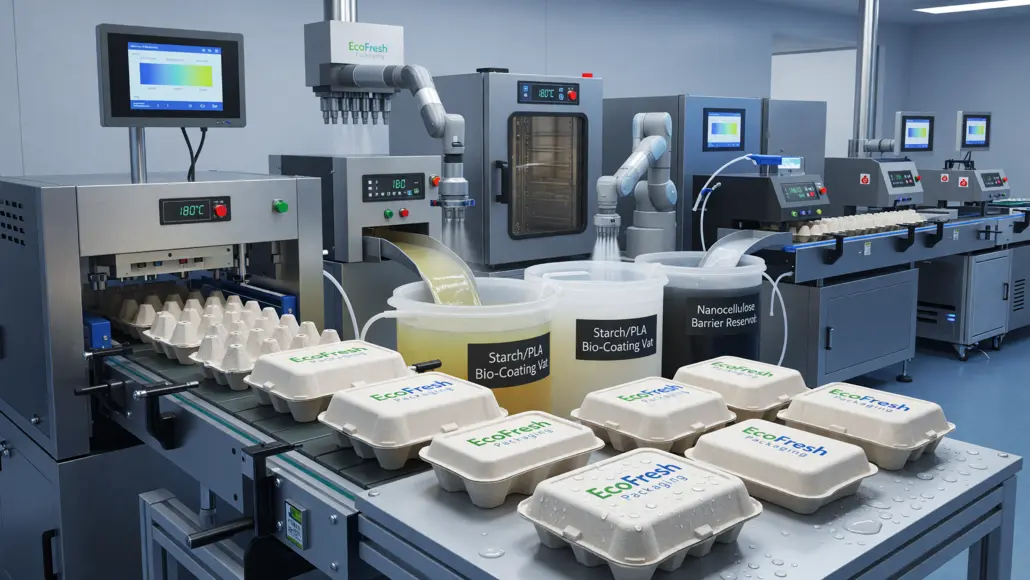

The widespread adoption of fibre-based materials in the global food and beverage industry has historically been limited by the inherent porous nature of cellulose. While paper and pulp are excellent for dry goods, they naturally absorb moisture and fats, which can lead to structural failure and product spoilage. However, we have entered a new era of material science where moulded fibre barrier coatings are fundamentally altering the performance profile of these sustainable materials. These coatings provide a microscopic shield that allows fibre to repel water, resist grease, and block oxygen, effectively bridging the performance gap between traditional plastics and renewable materials. This innovation is not just about protection; it is about expanding the “addressable market” for moulded fibre into high-demand sectors like dairy, meat, and ready-to-eat meals.
The challenge for the industry has always been to provide these barriers without compromising the environmental integrity of the base material. In the past, many “waterproofed” paper products relied on thin plastic laminates or “forever chemicals” like PFAS. These additives made the packaging difficult to recycle and impossible to compost. Today, the focus has shifted toward “sustainable coating solutions” that are bio-based, PFAS-free, and fully compatible with existing circular economy streams. By leveraging natural polymers, minerals, and nanotechnology, researchers are creating barriers that are as effective as they are ecologically responsible, ensuring that the move to fibre is a true step forward for the planet.
The Chemistry of Bio-Based Moisture and Grease Protection
At the molecular level, the performance of moulded fibre barrier coatings depends on the ability of the coating to create a continuous, non-porous layer over the irregular surface of the fibre matrix. Modern bio-coatings often utilize plant-derived polymers such as starch, polylactic acid (PLA), or polyhydroxyalkanoates (PHA). These materials are inherently biodegradable and can be engineered to have high surface tension, which causes water and oil to bead up rather than soak in. This is the foundation of grease resistant packaging, which is essential for items like burger boxes, fried chicken containers, and pizza trays. Without an effective barrier, the fats from these foods would quickly migrate through the fibre, leaving the customer with a messy, softened container.
Beyond simple repellency, these bio-based coatings are being optimized for thermal stability. In many foodservice applications, the packaging must be able to withstand the heat of a microwave or a conventional oven. Advanced coatings are now designed to maintain their integrity at temperatures up to 220°C, ensuring that the barrier remains functional during reheating. This versatility is a major selling point for “ready-to-eat” meal producers who want to provide a seamless experience for their customers. By integrating these coatings directly into the manufacturing process, either through spraying or in-slurry addition, producers can create a high-performance material that is ready for the most demanding culinary environments.
The Role of Nanotechnology and Mineral Barriers
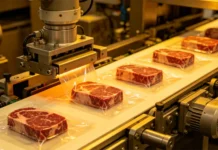
The next frontier in barrier performance is the application of nanotechnology. By utilizing nano-scale cellulose (nanocellulose) or specialized clay minerals, researchers can create “tortuous paths” that make it incredibly difficult for oxygen or water molecules to pass through the material. These nanostructures provide an exceptional gas barrier, which is critical for extending the shelf life of perishable products like fresh meat and cheese. This level of protection was previously only achievable through complex, multi-layer plastic films. Now, by applying a nanometer-thin layer of bio-based material, moulded fibre can achieve similar results while remaining a single-material, easily recyclable solution.
Mineral-based coatings, such as those utilizing calcium carbonate or kaolin clay, are also playing a significant role. These minerals fill in the microscopic gaps between the cellulose fibres, creating a smoother and more resistant surface. When combined with natural waxes or resins, these mineral barriers provide excellent moisture resistant fibre performance. They are particularly useful for secondary packaging and shipping containers that may be exposed to high humidity or condensation during transit. The use of widely available minerals also helps keep the cost of these high-performance materials competitive, ensuring that sustainability remains an economically viable choice for mass-market brands.
Eliminating PFAS and Moving Toward “Clean” Chemistry
A major regulatory and ethical driver in the industry is the elimination of per- and polyfluoroalkyl substances (PFAS). These chemicals were traditionally used to provide grease resistance in paper and fibre products, but their persistence in the environment and potential health risks have led to widespread bans and consumer boycotts. The transition to PFAS-free moulded fibre barrier coatings is one of the most significant shifts in the history of sustainable packaging. Modern alternatives use specialized proteins, natural oils, and synthetic but biodegradable polymers to achieve the same grease-repellent properties. This move toward “clean chemistry” ensures that the packaging is safe for the consumer and can be returned to the soil as high-quality compost.
This shift has also necessitated a rethink of how coatings are applied and validated. Manufacturers must now provide rigorous proof of compliance with international safety standards, such as the FDA’s food contact regulations and the EU’s REACH framework. This level of transparency is essential for building trust in a marketplace that is increasingly wary of “greenwashing.” By adopting verified, non-toxic coatings, brands can demonstrate their commitment to the long-term health of their customers and the planet. In the modern world, the quality of the barrier is defined as much by what it doesn’t contain as by what it does.
Application Methods and Structural Integration
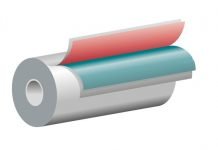
The effectiveness of a barrier depends not just on the chemistry of the coating, but also on how it is applied. There are three primary methods currently used in the industry: internal sizing, spray coating, and lamination. Internal sizing involves adding the barrier agents directly into the pulp slurry before the product is moulded. This ensures that the entire structure of the material is water-resistant. Spray coating is a post-moulding process where a fine mist of the barrier material is applied to the surface, creating a concentrated shield where it is needed most. Lamination involves applying a thin, often bio-plastic, film to the surface of the fibre tray.
Each of these methods has its advantages. Internal sizing is ideal for high-volume, low-cost items like egg cartons or fruit trays. Spray coating provides a superior surface finish and is often used for premium foodservice containers. Lamination offers the highest level of barrier performance and is commonly used for fresh protein trays that require a modified atmosphere (MAP). The choice of application method allows manufacturers to tailor the moulded fibre coatings to the specific needs of the product, ensuring the best possible balance of performance, cost, and environmental impact. This flexibility is what makes fibre a truly universal packaging substrate.
Enhancing Printability and Aesthetic Appeal
In addition to functional benefits, barrier coatings can also significantly improve the visual and tactile quality of the packaging. A well-applied coating creates a smoother surface that is more receptive to high-quality printing. This allows brands to apply vibrant graphics and detailed information directly onto the fibre container, eliminating the need for separate labels. This not only looks more professional but also simplifies the recycling process, as there are no adhesives or dissimilar materials to be removed. Some coatings even provide a subtle gloss or matte finish, adding to the “premium” feel of the product.
The haptic quality of the coating is also important. Some bio-based barriers provide a soft, “satin” touch that enhances the consumer’s interaction with the package. This is particularly relevant in the cosmetics and luxury goods sectors, where the packaging is a critical part of the brand experience. By combining functional protection with aesthetic enhancement, moulded fibre barrier coatings are proving that sustainability does not have to be rudimentary. Instead, it can be a sophisticated, high-end choice that appeals to all the senses, reinforcing the brand’s message of quality and environmental stewardship in every touch.
The Future of “Smart” and Active Barriers
As we look toward the next decade, the role of coatings is expected to move from passive protection to active performance. We are already seeing the development of “active” barriers that can absorb oxygen or release natural antimicrobial agents to further extend the shelf life of food. Other research is focusing on “smart” coatings that can change color if the package has been exposed to extreme temperatures or if the internal atmosphere has been compromised. These high-tech features will integrate seamlessly into the bio-based fibre substrate, providing a level of safety and transparency that traditional plastic packaging struggles to match.
The globalization of sustainable coating solutions will also drive further growth. As these technologies become more standardized and widely available, the cost of high-performance fibre will continue to fall. This will allow brands in developing markets to adopt sustainable packaging, addressing the global plastic crisis at its source. The marriage of ancient fibre materials with modern chemistry and nanotechnology is creating a new category of materials one that is perfectly suited for a world that demands both performance and sustainability. The future of packaging is not just a box; it is a sophisticated, engineered system that protects the product, the consumer, and the planet.