

















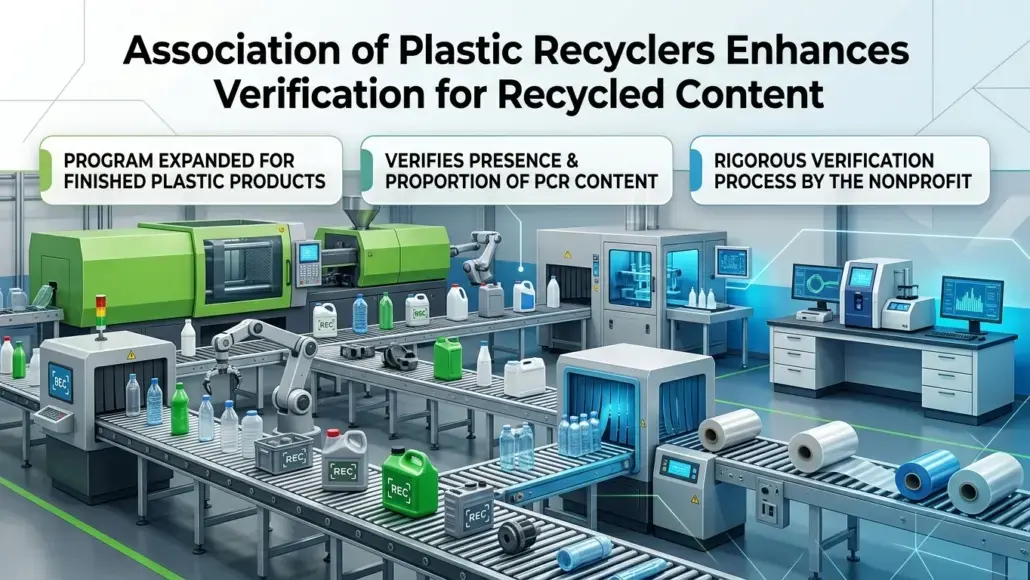

The Association of Plastic Recyclers (APR) has announced a significant expansion of its PCR Certification Program, extending its reach beyond raw materials to include finished and semi-finished plastic products. This nonprofit organization, which focuses on plastics recycling across North America, designed the initiative to provide a rigorous verification process for the presence and proportion of post-consumer recycled (PCR) content. Previously, the certification was limited to PCR material produced by recyclers in pellet or flake form. This strategic move allows a broader range of industry participants, including manufacturers, brand owners, brokers, distributors, and traders, to validate their recycled-content claims through independent third-party certification. By broadening the scope, the organization aims to support the integrity of recycled materials throughout the entire manufacturing sector in North America.
Enhanced Traceability Across the Supply Chain
The updated framework for the PCR Certification Program is built upon ISO chain-of-custody and traceability requirements to ensure a stringent verification method. This system confirms that businesses are incorporating recycled plastic at the specific levels they report, ensuring traceability across every stage of production. Companies successfully achieving certification will be listed in the APR Certified PCR Directory, which serves as a reliable resource for organizations seeking products and packaging made with certified PCR. This independent verification process is intended to eliminate ambiguity in environmental claims. Rita Phillip, the APR PCR Certification programme director, stated: “Expanding APR PCR Certification to include producers and supply chain participants strengthens confidence in recycled content claims and supports the growing demand for transparency and accountability.”
Strengthening Industry Accountability and Sustainability
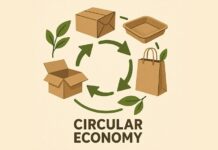
Steve Alexander, APR president and CEO, emphasized the environmental importance of these efforts, noting that “Making new products from post-consumer recycled plastic – plastic packaging commonly recycled by households and businesses – is one of the most effective ways to reduce plastic waste and decrease reliance on virgin plastic. Because recycled content cannot be visually distinguished from virgin plastic, third-party certification is essential for verifying recycled content claims.” This focus on household waste reduction and material recovery is central to the organization’s mission. This expansion follows a May cooperation agreement between APR and Mexico’s National Association of Plastics Industries (ANIPAC). That partnership focuses on plastics recyclability, recycling design standards, and circular economy development in Mexico. By advancing the circular economy, the arrangement aims to support technical collaboration across the plastics supply chain, covering packaging and product design, collection, and the return of materials to the market.