



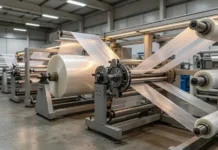
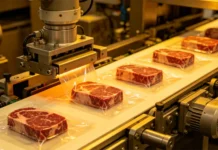

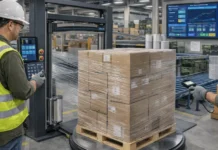










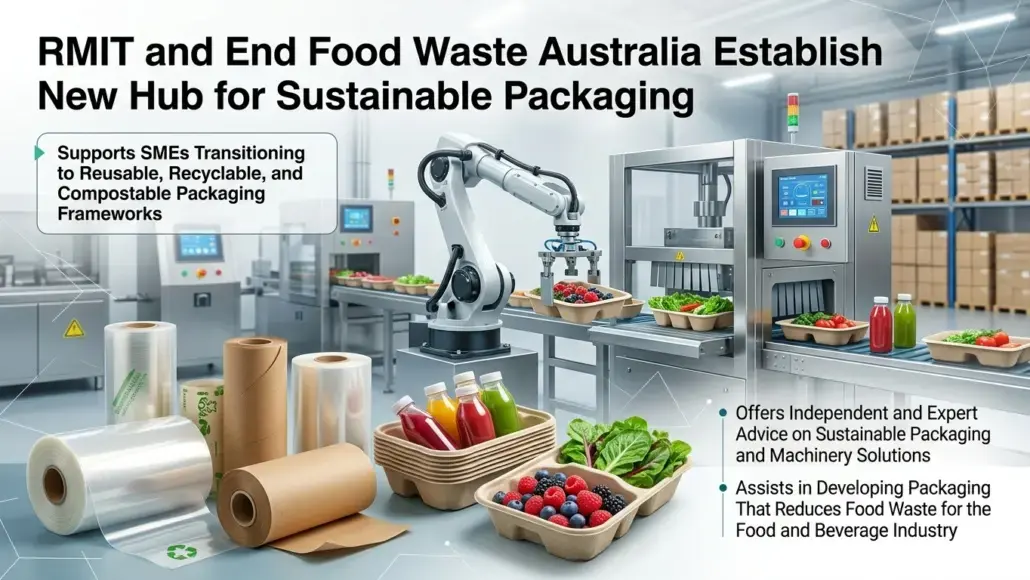

RMIT University and End Food Waste Australia CRC (EFW CRC) have officially inaugurated the Food and Beverage Small and Medium Enterprise Packaging and Machinery Solution Centre. This initiative is designed to assist small and medium-sized enterprises (SMEs) as they pivot toward reusable, recyclable, and compostable packaging and processing frameworks. By providing independent, research-backed guidance, the SME Packaging Solution Centre ensures that these transitions do not compromise product quality or shelf life. The collaboration involves key industry bodies, including the Australasian Institute of Packaging (AIP), the Australian Packaging and Processing Machinery Association (APPMA), and Tetra Pak, focusing on delivering co-funded applied research and technical expertise to align with Australia’s circular economy objectives.
Research-Driven Support for Industry Transition
As the industry moves away from single-use formats, many businesses encounter hurdles regarding environmental outcomes and product integrity. Dr. Caroline Francis, a senior lecturer of industrial design at RMIT University, emphasized that the SME Packaging Solution Centre was created to facilitate the shift to sustainable packaging without sacrificing food safety, product integrity, or waste reduction efforts. “Packaging innovation is essential to achieving Australia’s sustainability goals, but it must be grounded in research,” Francis stated. “This Centre enables SMEs to test and validate real-world packaging and processing changes, ensuring that improvements in recyclability and circularity do not come at the expense of product quality or increased food waste.” Professor Simon Lockrey, the EFW CRC REDUCE program team leader, noted that the hub will serve as a national “source of truth,” allowing businesses to make evidence-based decisions rather than relying solely on supplier or informal advice, so they can have informed conversations with key partners such as large retailers.
Collaborative Expertise and Technical Guidance
The shifting landscape of domestic and global regulations is fundamentally changing how companies approach design. Nerida Kelton, Executive Director at the AIP, highlighted that key areas of change include becoming recycle-ready, moving to mono-materials, and building in recycled content. Kelton noted, “The shifting landscape of packaging regulations, both domestically and globally, are changing the way companies need to design. Key areas of change include becoming recycle ready, moving to mono materials, building in recycled content and looking at ways to reduce the amount of packaging wherever possible.” She further explained that “Important changes include designing for accessibility and inclusivity, looking at how packaging can potentially minimise food loss and waste across a value chain and looking at viable alternatives that can reduce the carbon footprint of the packaging. The new centre will allow SME’s to have access to technical consultants from the AIP who can help their packaging journey.” This packaging innovation is supported by machinery advancements, which Michael Moran, CEO of the APPMA, described as a critical enabler of sustainable manufacturing. Moran stated, “Packaging and processing machinery is a critical enabler of sustainable manufacturing, particularly for SMEs navigating new materials and formats,” adding that the platform connects industry expertise with applied research to help businesses integrate manufacturing solutions that improve efficiency and performance.
Practical Application and Funding Opportunities
The focus on reducing food waste remains a priority for partners like Tetra Pak. Flavia Vaz, Director of Corporate Affairs at Tetra Pak, said, “Our solutions are designed to protect food, extend shelf life and reduce environmental impact across the value chain. From aseptic processing and packaging that protect perishable food, to creating value from by-products, we invest in integrated technologies that reduce waste and improve efficiency. This Solution Centre provides SMEs with practical access to the expertise and technologies needed to trial, validate and scale these solutions with confidence to deliver real impact.” Alongside co-funded research, the initiative connects SMEs with technical expertise from academia, including RMIT University, Queensland University of Technology (QUT), The University of Queensland (UQ), and the South Australian Research and Development Institute (SARDI). Eligible Australian-based SMEs with a valid ABN can participate through a rolling expression of interest process on the End Food Waste Australia website, where successful applicants may contribute matched cash funding for approved manufacturing solutions. This collaborative effort ensures that the transition to sustainable packaging is both scientifically validated and practically achievable for the SME sector.