



















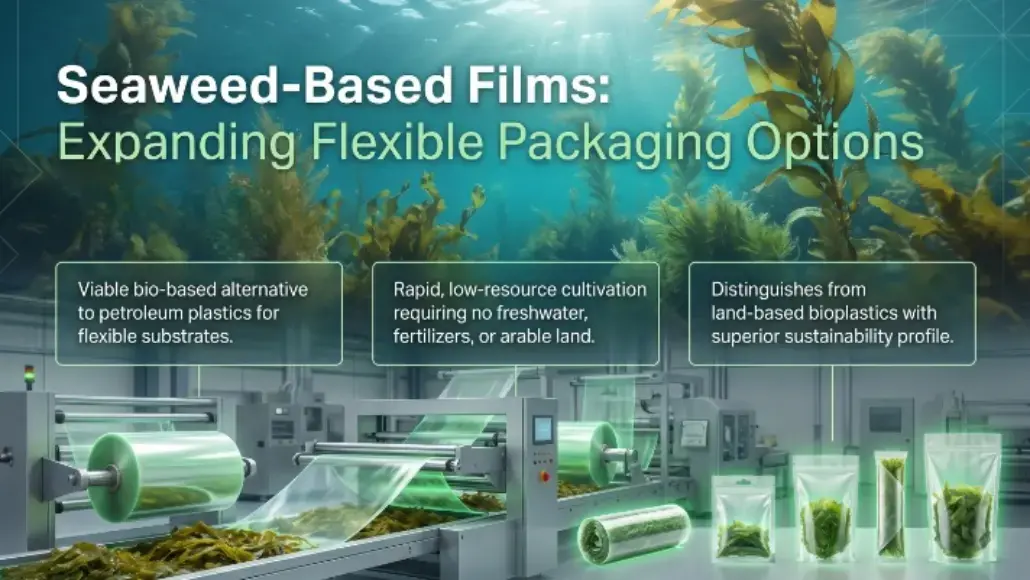
The pursuit of sustainable alternatives to petroleum-derived plastics has led the packaging industry to explore various bio-based feedstocks. Among these, seaweed has emerged as a particularly viable source for producing flexible substrates. The primary advantage of seaweed lies in its rapid growth rate and its ability to thrive without the need for freshwater, fertilizers, or arable land. This distinguishes seaweed-based films from land-based bioplastics, such as those derived from corn or sugarcane, which often compete with food production and require significant agricultural inputs. Large-scale cultivation of brown, red, and green algae provides a consistent supply of hydrocolloids, specifically alginates, carrageenans, and agar. These natural polymers serve as the foundational components for film production. Current developments in offshore aquaculture are focused on optimizing the biomass yield to ensure that the raw material supply can meet the intensive demands of the global packaging market.
By scaling these cultivation methods, producers can stabilize the supply chain for seaweed-based films, making them a competitive option for converters. The ecological benefits of seaweed farming also extend to carbon sequestration and nitrogen absorption, which adds a layer of environmental value to the raw material. Processing seaweed into packaging involves extracting the necessary polysaccharides and refining them into a form that can be cast or extruded. Advanced extraction techniques are being refined to minimize chemical use and energy consumption, aligning the production process with broader sustainability goals. As the infrastructure for seaweed processing matures, the cost of these materials is expected to decrease, allowing for wider adoption across different segments of the flexible packaging sector.
Mechanical properties and barrier performance in flexible formats
For any material to succeed in the flexible packaging space, it must possess specific mechanical attributes such as tensile strength, elongation at break, and puncture resistance. Seaweed-based films have demonstrated impressive performance in these areas, often rivaling traditional low-density polyethylene in certain applications. The molecular structure of seaweed polysaccharides allows for the creation of cohesive networks that can withstand the stresses of the conversion process. Researchers are utilizing various plasticizers, such as glycerol or sorbitol, to enhance the flexibility and durability of these films. These additives prevent the material from becoming brittle over time, ensuring that the packaging remains functional throughout the distribution cycle.
Beyond mechanical strength, barrier performance is a critical factor for food and medical applications. Seaweed-based films inherently possess good oxygen barrier properties, which is essential for preventing the oxidation of fats and oils in food products. However, like many bio-based materials, they are naturally hydrophilic, meaning they can be sensitive to moisture. To address this, industry specialists are developing moisture-resistant coatings and blending seaweed extracts with other biodegradable polymers. These modifications improve the water vapor transmission rate, making seaweed-based films suitable for a broader range of products with varying shelf-life requirements. The ability to fine-tune these barrier properties through multi-layer structures or chemical cross-linking allows seaweed-based films to compete in high-performance packaging markets.
End-of-life pathways and marine degradability standards
One of the most significant challenges facing the flexible packaging industry is the management of post-consumer waste. Conventional plastic films are notoriously difficult to recycle and often end up in landfills or the natural environment. Seaweed-based films offer a distinct advantage by being fully compostable and, crucially, marine degradable. Unlike certain bioplastics that require industrial composting conditions to break down, many seaweed-derived materials can degrade in home compost bins or even in seawater within a matter of weeks. This characteristic addresses the growing concern over marine plastic pollution, as any seaweed-based films that accidentally enter aquatic ecosystems will break down into harmless organic matter.
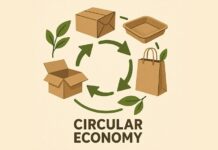
The certification of these materials is governed by rigorous standards such as EN 13432 and ASTM D6400, which verify that the films leave no toxic residues. The rapid decomposition of seaweed-based films is a result of the natural enzymes present in the environment that can easily break the glycosidic bonds in the algae-derived polymers. This ensures that the material returns to the biological cycle, supporting a circular economy. Packaging designers are increasingly selecting seaweed-based films for single-use applications where recycling is impractical, such as condiment sachets, candy wrappers, and small-format pouches. The environmental transparency of these materials provides a clear path for brands to meet their sustainability commitments without relying on complex and often inefficient recycling infrastructures.
Integration into existing conversion and filling machinery
A primary barrier to the adoption of new packaging materials is the capital expenditure required to update or replace existing machinery. Seaweed-based films are being engineered to be compatible with standard heat-sealing, printing, and filling equipment. This “drop-in” compatibility is vital for widespread industry acceptance. Manufacturers are focusing on optimizing the thermal properties of seaweed-based films to ensure they can be sealed at temperatures and speeds comparable to conventional plastics. The surface energy of these films also allows for high-quality printing using water-based or soy-based inks, enabling brands to maintain their visual identity while switching to a more sustainable substrate.
The behavior of seaweed-based films on high-speed form-fill-seal lines is a subject of ongoing technical analysis. Factors such as coefficient of friction and static accumulation must be managed to prevent jams or tearing during the packaging process. Anti-block agents and slip additives derived from natural sources are often incorporated into the film formulation to ensure smooth processing. As more converters gain experience with seaweed-based films, the technical knowledge base is expanding, leading to more efficient production runs. The ability to use existing assets to process these bio-based materials reduces the financial risk for manufacturers and accelerates the transition away from fossil-fuel-dependent flexible packaging.
Economic viability and supply chain resilience in bioplastics
The economic assessment of seaweed-based films involves a comprehensive look at the entire lifecycle, from cultivation to disposal. While the current cost of seaweed-derived polymers is higher than that of mass-produced petroleum plastics, the gap is narrowing as production scales up. The volatility of oil prices and the implementation of plastic taxes in many regions are making seaweed-based films more attractive from a long-term financial perspective. Investing in localized seaweed farming can also enhance supply chain resilience by reducing the reliance on imported raw materials and fossil fuel derivatives. This regional approach to sourcing supports local economies and reduces the carbon footprint associated with transportation.
Collaborations between seaweed growers, material scientists, and packaging manufacturers are driving innovation in this field. These partnerships are essential for developing cost-effective processing methods and expanding the functional range of seaweed-based films. Brands that adopt these materials early can differentiate themselves in a crowded market, appealing to environmentally conscious consumers and complying with increasingly strict regulations. The long-term success of seaweed-based films will depend on the continued investment in aquaculture infrastructure and the refinement of polymer processing technologies. By viewing seaweed as a strategic resource for the packaging industry, stakeholders can build a more sustainable and resilient future for flexible packaging.

