















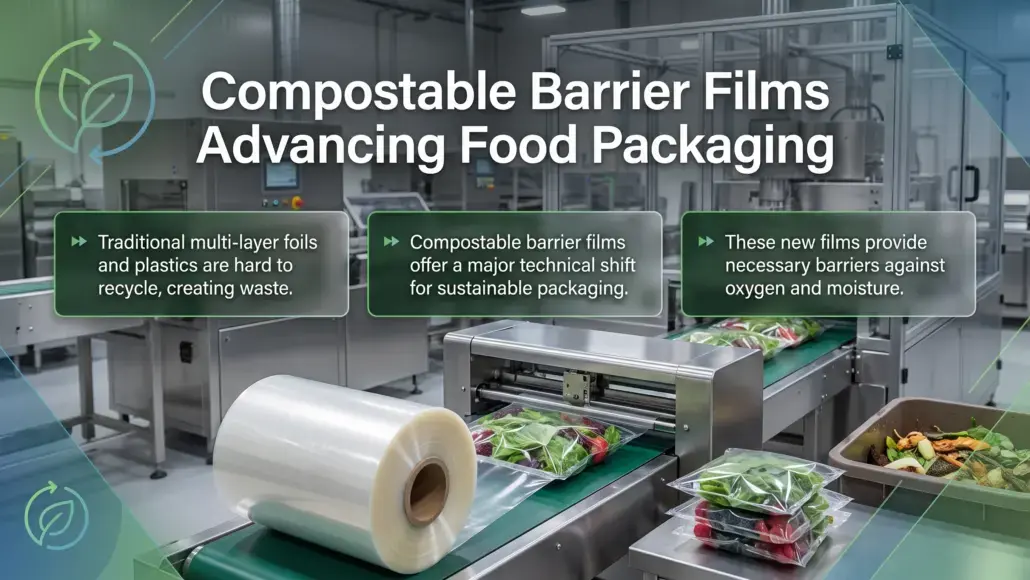
The fundamental requirement for food packaging is the ability to protect the contents from environmental factors that lead to spoilage. For decades, the industry has relied on multi-layer structures containing aluminum foil or metallized plastics to achieve the necessary barrier against oxygen and moisture. However, these complex laminates are virtually impossible to recycle, creating a significant waste problem. The emergence of compostable barrier films represents a major technical shift, aiming to provide equivalent protection using materials that can be fully integrated back into the soil. Achieving high barrier performance in a compostable format requires sophisticated polymer engineering, as many bio-based resins are naturally more permeable than their synthetic counterparts.
To combat oxygen ingress, manufacturers are utilizing high-performance biopolymers such as polylactic acid or polyhydroxyalkanoates in combination with specialized barrier coatings. These coatings, often derived from cellulose or proteins, create a tortuous path for gas molecules, significantly reducing the rate of permeation. Moisture resistance is equally critical, particularly for products with high water activity or those sensitive to humidity. By incorporating hydrophobic elements and optimizing the crystallinity of the base polymers, engineers are producing compostable barrier films that can maintain the crispness of snacks and the freshness of perishables. The development of these materials is an ongoing process of balancing the need for protection with the requirement for rapid degradation at the end of the packaging life cycle.
Functional coatings and multilayer film engineering
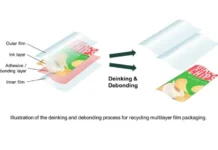
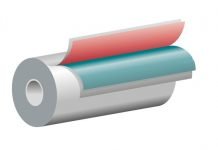
The construction of compostable barrier films often involves the strategic layering of different materials to achieve a specific set of performance characteristics. Each layer in a multilayer structure serves a distinct purpose, such as providing structural integrity, heat sealability, or gas barrier properties. One common approach is to use a biodegradable core layer that provides the bulk of the barrier, sandwiched between outer layers that protect the core and facilitate processing on packaging lines. The use of functional coatings has become a central part of this engineering process. These coatings can be applied in very thin layers, adding significant functionality without compromising the compostability of the overall structure.
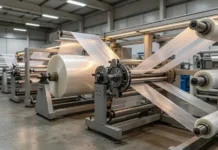
Advances in aqueous-based coating technologies have enabled the application of barrier layers that are both effective and environmentally friendly. These coatings can include nanoclay particles or bio-based resins that specifically target oxygen or water vapor. The precision of modern coating equipment allows for uniform distribution across the entire width of the film, ensuring consistent performance. Furthermore, the compatibility between the different layers is essential to prevent delamination during transport or storage. Adhesives used in these structures must also be fully compostable, often relying on polyurethane or acrylic chemistries that have been modified to break down under composting conditions. This holistic approach to film engineering ensures that every component of the package contributes to its functional and environmental goals.
Shelf life preservation for perishable food categories
The ultimate test for compostable barrier films is their ability to preserve the quality and safety of food over its intended shelf life. Perishable items, such as fresh produce, meat, and dairy, have stringent requirements for gas exchange and moisture control. For example, fresh-cut vegetables require packaging with specific respiration rates to prevent the accumulation of carbon dioxide and the depletion of oxygen, which can lead to anaerobic spoilage. Compostable barrier films can be tailored with micro-perforations or selective permeability to manage these atmospheric conditions within the package. This precision helps to extend the shelf life of fresh foods, reducing the incidence of food waste at the retail and consumer levels.
In the case of dry goods, the focus shifts to preventing moisture gain and the oxidation of sensitive components like vitamins or flavors. Compostable barrier films with high moisture barrier properties are essential for maintaining the shelf stability of products such as coffee, spices, and bakery items. The industry is conducting extensive migration studies and sensory evaluations to ensure that these new materials do not impart any off-flavors or odors to the food. The interaction between the food and the packaging material is a critical consideration, and compostable films must be chemically inert and compliant with food contact regulations such as those set by the FDA and EFSA. As these materials continue to prove their efficacy in real-world applications, their role in the food supply chain is set to expand significantly.
Certification frameworks for industrial versus home composting
The term compostable can be misleading if the specific conditions required for degradation are not clearly defined. Compostable barrier films are generally designed to meet either industrial or home composting standards. Industrial composting facilities operate at high temperatures and controlled humidity levels, which accelerate the breakdown of complex biopolymers. Materials certified under standards like ASTM D6400 or EN 13432 are guaranteed to decompose within a specific timeframe in these professional settings. However, the availability of industrial composting infrastructure varies by region, which can limit the effective end-of-life options for this type of packaging.
Home composting certification, such as the OK compost HOME label, requires materials to degrade at lower, more variable temperatures found in a typical garden compost heap. This is a much higher bar for material performance, as the degradation process must be efficient enough to work without the heat generated in industrial systems. Developing compostable barrier films that meet home composting standards is a major focus for material scientists, as it provides a more accessible disposal route for consumers. Clear labeling and consumer education are essential to ensure that these materials are sorted correctly and do not contaminate traditional plastic recycling streams. The development of robust certification frameworks provides the transparency and trust needed for brands and consumers to adopt these sustainable packaging solutions.
Market adoption trends and consumer perception of biopolymers
The transition to compostable barrier films is driven by a combination of regulatory pressure, corporate sustainability goals, and changing consumer preferences. Many governments are implementing bans on single-use plastics and introducing extended producer responsibility schemes that incentivize the use of more sustainable materials. Brands are responding by setting ambitious targets to make their packaging 100 percent recyclable or compostable within the next decade. Compostable barrier films are seen as a key technology for achieving these goals, particularly for hard-to-recycle flexible formats.
Consumer perception also plays a vital role in the market adoption of these materials. There is a growing awareness of the plastic waste crisis, and many shoppers are actively seeking out products with eco-friendly packaging. However, there is also confusion regarding the differences between biodegradable, compostable, and bio-based materials. Brands that use compostable barrier films must communicate the benefits and disposal instructions clearly to avoid “greenwashing” accusations. As the performance of these materials reaches parity with conventional plastics, the primary differentiator will be the environmental story they tell. The market for compostable films is expected to grow as production capacities increase and the cost becomes more competitive. The integration of these materials into the food packaging landscape is not just a technical challenge but a strategic opportunity for innovation and brand loyalty.

