














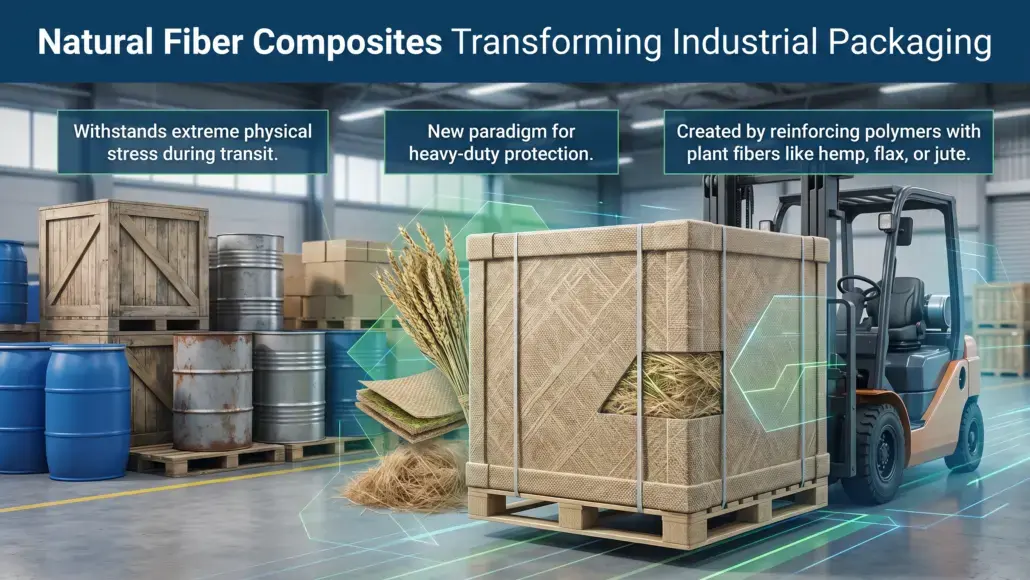
The industrial packaging sector requires materials that can withstand extreme physical stresses, including compression, vibration, and impact during long-distance transit. Traditional solutions have relied heavily on timber, steel, and high-density plastics. However, the introduction of natural fiber composites is offering a new paradigm for heavy-duty protection. These materials are created by reinforcing a polymer matrix with fibers derived from plants such as hemp, flax, jute, or sisal. The resulting composite benefits from the high tensile strength of the fibers and the durability of the matrix, creating a lightweight yet incredibly strong structure. In applications such as pallets, crates, and shipping containers, these composites are demonstrating a load-bearing capacity that is comparable to traditional timber while offering superior resistance to splitting and warping.
The mechanical performance of natural fiber composites is deeply influenced by the orientation and length of the fibers within the matrix. Engineering teams are using advanced modeling techniques to optimize the fiber architecture for specific load cases. For instance, unidirectional fiber alignment can be used to maximize strength in a specific direction, which is ideal for structural components that experience predictable stresses. The ability to tailor the properties of the material allows for the creation of more efficient packaging designs that use less raw material without compromising safety. As the industry moves toward more data-driven logistics, the reliability and consistency of these composites become significant advantages over natural wood, which can have unpredictable defects like knots or irregular grain patterns.
Manufacturing processes for lignocellulosic fiber reinforcement
The production of natural fiber composites involves several complex stages, starting with the extraction and preparation of the fibers. Lignocellulosic fibers must be cleaned and treated to ensure a strong bond with the polymer matrix. Surface treatments, such as alkalization or silanization, are often employed to improve the interfacial adhesion between the hydrophilic fibers and the typically hydrophobic polymers. This bonding is crucial for the efficient transfer of stress from the matrix to the reinforcement fibers. Once treated, the fibers can be incorporated into the matrix through various manufacturing techniques, including injection molding, compression molding, and extrusion.
Innovation in manufacturing is focusing on improving the throughput and consistency of these processes. For example, thermoplastic pultrusion is being used to create continuous profiles of natural fiber composites that can be cut to length for structural framing in large crates. The use of recycled polymers as the matrix material further enhances the sustainability profile of the final product. By combining post-consumer resins with natural fibers, manufacturers can create high-value industrial products from waste streams. The thermal stability of the fibers during processing is a key consideration, as excessive heat can degrade the natural components. Careful control of processing temperatures ensures that the mechanical integrity of the fibers is preserved, resulting in a high-quality composite material.
Moisture resistance and environmental durability of composites
One of the primary concerns with using natural materials in industrial settings is their sensitivity to moisture and environmental degradation. Unprotected natural fibers can absorb water, leading to swelling, loss of strength, and potential fungal growth. To address this, natural fiber composites are engineered with advanced moisture barrier systems. The polymer matrix itself provides the first line of defense, encapsulating the fibers and preventing direct contact with water. Additionally, chemical additives and coatings are used to further enhance the hydrophobic nature of the composite. These treatments ensure that the material maintains its structural properties even in humid or wet conditions, making it suitable for international shipping where environmental variables are often extreme.
The durability of these composites also extends to their resistance to ultraviolet radiation and chemical exposure. In outdoor storage or harsh industrial environments, materials must be able to withstand prolonged exposure to sunlight and various industrial chemicals without degrading. Stabilization packages are incorporated into the polymer matrix to prevent UV-induced brittleness and discoloration. The inherent toughness of the fiber-reinforced structure also provides excellent resistance to abrasion and impact, which is essential for transit packaging that is frequently handled by forklifts and other heavy machinery. This long-term durability reduces the need for frequent replacements, contributing to lower total cost of ownership for logistics providers and their clients.
Weight reduction benefits in heavy-duty industrial shipping
The logistics industry is under constant pressure to improve fuel efficiency and reduce carbon emissions. One of the most effective ways to achieve this is through the lightweighting of packaging and transport assets. Natural fiber composites offer a significant weight advantage over traditional materials like steel and even some high-density plastics. The low density of plant fibers allows for the creation of components that are up to 30 percent lighter than their conventional counterparts while maintaining the necessary strength. This weight reduction translates directly into lower fuel consumption and increased payload capacity for trucks, ships, and aircraft.
The impact of lightweighting is particularly noticeable in air freight, where every kilogram of saved weight results in substantial cost savings. Natural fiber composites are being used to manufacture air cargo containers and pallets that are both durable and exceptionally light. Beyond the direct fuel savings, lighter packaging also improves the ergonomics for workers involved in manual handling tasks. Reducing the weight of crates and dividers can lower the risk of workplace injuries and increase the speed of packing and unpacking operations. The combination of environmental benefits and operational efficiencies makes natural fiber composites a compelling choice for companies looking to optimize their industrial packaging strategies.
Life cycle assessment of bio-based industrial containers
To fully understand the environmental impact of natural fiber composites, it is necessary to conduct a detailed life cycle assessment. This analysis considers every stage of the material’s life, from the cultivation of the fiber crops to the final disposal of the packaging. Natural fibers have a significantly lower carbon footprint than synthetic fibers like glass or carbon fiber, as they require less energy to produce and actually sequester carbon during their growth phase. When combined with bio-based or recycled polymers, the overall environmental profile of the composite is vastly superior to traditional fossil-fuel-based plastics.
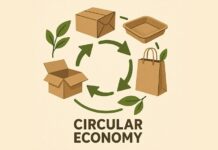
The end-of-life options for natural fiber composites are also an area of active research. While these materials are not as easily recycled as pure polymers, they can be processed into new composite products or used as a source of energy through controlled incineration. Some researchers are also exploring the development of fully biodegradable natural fiber composites using compostable resin systems. Such materials would allow for the disposal of industrial packaging in large-scale composting facilities, completing the circularity of the system. By providing a clear and documented environmental advantage, natural fiber composites help industrial firms meet their sustainability targets and comply with increasingly stringent environmental regulations. The integration of these materials into the global supply chain represents a significant step toward a more sustainable and efficient industrial packaging sector.

