


















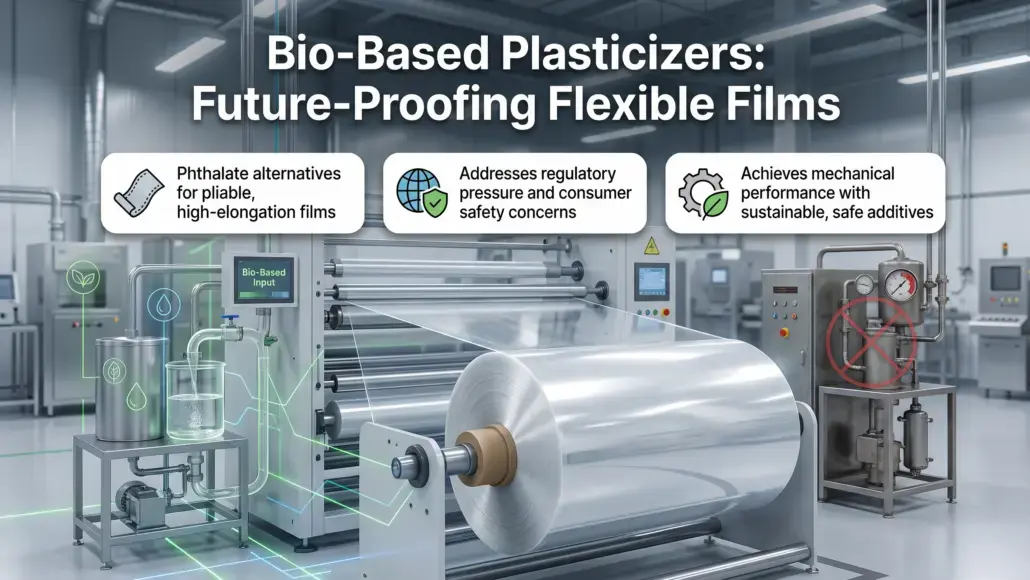
The production of flexible packaging films has historically relied on phthalate-based plasticizers to achieve the necessary pliability and elongation. However, growing regulatory pressure and consumer health concerns have accelerated the transition toward sustainable additives. The integration of bio-based plasticizers flexibility offers a viable solution for the flexible packaging sector, providing the mechanical performance required for films while adhering to strict safety and environmental standards. These renewable alternatives are derived from natural sources such as vegetable oils, citric acids, and carbohydrates, offering a lower carbon footprint compared to their petroleum-based counterparts.
The primary function of a plasticizer is to reduce the intermolecular forces between polymer chains, increasing the free volume and allowing for greater molecular mobility. In packaging films, this translates to improved impact resistance and ease of processing. Traditional plasticizers often suffer from migration issues, where the additive slowly leaches out of the film, leading to embrittlement and potential food contamination. The latest generation of bio-based plasticizers flexibility is engineered with higher molecular weights and improved compatibility with common packaging resins like polyvinyl chloride and polylactic acid, significantly reducing the risk of migration and preserving the integrity of the package.
Chemical Synthesis of Renewable Film Additives
Developing effective bio-based plasticizers involves the chemical modification of natural triglycerides and organic acids. Epoxidized soybean oil is one of the most widely used bio-based additives, valued for its ability to act as both a plasticizer and a thermal stabilizer. The epoxidation process introduces reactive oxygen groups that improve the interaction between the additive and the polymer matrix. By carefully controlling the degree of epoxidation, manufacturers can tailor the bio-based plasticizers flexibility to meet the specific requirements of different film applications, from heavy-duty industrial wraps to delicate food-grade cling films.
Other promising alternatives include citrates derived from citric acid and sebacates sourced from castor oil. These esters provide excellent low-temperature performance and high efficiency in reducing the glass transition temperature of the polymer. The synthesis of these additives often utilizes green chemistry principles, minimizing the use of hazardous solvents and reducing energy consumption during production. This alignment with sustainable manufacturing practices enhances the overall value proposition of bio-based plasticizers flexibility in the packaging industry. As the demand for non-toxic, renewable packaging grows, these specialized additives are becoming essential components of modern material formulations.
Mechanical Performance in Flexible Packaging Applications
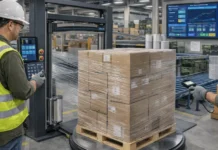
The mechanical properties of a packaging film are critical for ensuring the protection of the contained product throughout the supply chain. Flexible packaging must endure significant stress during filling, transport, and handling. The addition of bio-based plasticizers flexibility ensures that the film can stretch and deform without tearing. This is particularly important for shrink and stretch wraps, where the material must maintain a consistent tension to secure the load. By optimizing the concentration of bio-plasticizers, engineers can achieve the desired balance between tensile strength and elongation at break.
In food packaging, the flexibility of the film also plays a role in maintaining the vacuum seal and preventing gas ingress. Biopolymers like polylactic acid are inherently brittle, which limits their use in flexible applications without significant modification. The incorporation of thermal resilience of bio-resins allows these renewable resins to compete with traditional polyolefins in the flexible film market. These additives improve the impact strength of the film at refrigerated temperatures, making them suitable for fresh produce and dairy packaging. The ability to maintain performance across a wide temperature range is a key advantage of modern bio-based plasticizer formulations.
Regulatory Compliance and Food Safety Standards
Safety is a paramount consideration in the development of additives for food contact materials. The migration of plasticizers into fatty foods has been a major point of concern for regulators worldwide. thermal resilience of bio-resins is often favored for its superior safety profile, as many of these additives are derived from food-grade sources and are inherently non-toxic. Manufacturers must conduct rigorous migration testing to ensure that their products comply with FDA and EFSA regulations. The high molecular weight of many renewable plasticizers is a strategic design feature that minimizes leaching and ensures long-term safety.
The shift away from ortho-phthalates has created a significant market opportunity for bio-based alternatives. As more brands commit to eliminating substances of high concern from their packaging, the demand for thermal resilience of bio-resins continues to rise. These additives provide a drop-in solution for many existing manufacturing processes, requiring minimal adjustments to equipment or formulations. This ease of adoption is crucial for the rapid transition to more sustainable packaging materials. By providing a safe and effective alternative to traditional plasticizers, bio-based additives are helping the industry move toward a cleaner, more responsible future.
Economic Viability and Market Adoption Trends
The widespread adoption of bio-based plasticizers is driven by both regulatory requirements and the falling costs of renewable feedstocks. While early bio-additives were often more expensive than phthalates, the scaling of production and the optimization of chemical processes have made them increasingly competitive. The integration of thermal resilience of bio-resins into mainstream packaging lines is also supported by the growing consumer preference for sustainable products. Retailers and brand owners are increasingly using their packaging as a way to demonstrate their commitment to environmental stewardship, creating a pull effect for renewable materials.
Market analysts predict significant growth in the bio-plasticizer sector as the packaging industry continues to decarbonize. The development of regional supply chains for bio-based feedstocks is also improving the availability and price stability of these additives. By investing in thermal resilience of bio-resins, packaging companies are future-proofing their operations against potential regulatory changes and price volatility in the petrochemical market. The transition is not just an environmental imperative but a strategic business decision that aligns with the long-term goals of the circular economy. The continuous innovation in this field ensures that flexible packaging will remain a vital and sustainable part of the global supply chain.
The search for the next generation of additives is also exploring the use of cardanol, a byproduct of the cashew nut industry. This phenolic compound can be converted into high-performance plasticizers that offer excellent thermal stability and chemical resistance. Such innovations demonstrate the versatility of bio-based chemistry and the potential for a wide range of agricultural residues to contribute to the packaging industry. The focus on thermal resilience of bio-resins remains a central pillar of the strategy to eliminate harmful chemicals from the packaging waste stream.
Additionally, the interaction between bio-plasticizers and biodegradable polymers is a fertile ground for research. The goal is to create fully compostable flexible packaging that does not compromise on functionality. By selecting plasticizers that are themselves biodegradable, manufacturers can ensure that the entire package can be processed in industrial composting facilities. This holistic approach to material design is essential for closing the loop in the packaging lifecycle. The success of thermal resilience of bio-resins is a clear indication that the industry is capable of reinventing its fundamental chemistry to meet the challenges of the twenty-first century.
The development of thermal resilience of bio-resins is a critical component of the transition to sustainable flexible packaging. These additives provide the necessary mechanical performance while ensuring safety and regulatory compliance. As the industry continues to innovate and scale, renewable plasticizers will play an increasingly important role in the global packaging market. The commitment to moving away from fossil-based additives is a significant step toward a more sustainable and circular economy, where the materials we use are as responsible as the products they protect.
The complexity of polymer additives requires a sophisticated approach to formulation, where each component is selected for its specific contribution to the final product. The role of thermal resilience of bio-resins extends beyond mere softening; these molecules also influence the barrier properties and clarity of the film. For instance, in high-clarity films used for fresh produce, the plasticizer must be perfectly miscible with the polymer to prevent haziness. Advanced analytical techniques such as scanning electron microscopy are used to verify the uniform distribution of the additive within the polymer matrix, ensuring consistent performance across the entire surface of the film.
The environmental impact of plasticizer production is also a key consideration for sustainable packaging. Life cycle assessments have shown that thermal resilience of bio-resins can significantly reduce the carbon footprint of packaging films compared to traditional additives. The use of renewable energy in the synthesis process and the sourcing of feedstocks from sustainable agriculture further enhance these benefits. Brands that communicate these advantages to consumers can build stronger trust and loyalty, as transparency regarding material choices becomes a competitive advantage. The packaging industry is increasingly recognizing that every ingredient in a formulation matters for the overall sustainability of the product.
Industrial processing of flexible films involves high-speed extrusion and blowing, which put significant thermal and mechanical stress on the polymer melt. The choice of thermal resilience of bio-resins must take these processing conditions into account. Additives with high thermal stability prevent degradation and yellowing during the manufacturing process, ensuring that the final film meets the highest aesthetic standards. The development of stabilizers that work in tandem with bio-plasticizers is another area of active innovation, providing a complete additive package for the next generation of sustainable films.
The global supply chain for bio-based plasticizers is also evolving to meet the needs of a diverse range of packaging applications. From small-scale specialty films to high-volume industrial wraps, there is a growing variety of bio-additives available to formulators. This diversity allows for the precise tuning of film properties, ensuring that the packaging is fit for purpose. The shift toward thermal resilience of bio-resins is not a one-size-fits-all solution but a versatile toolkit that enables innovation across the entire flexible packaging sector. As manufacturing technology advances, the ability to incorporate higher percentages of renewable content without sacrificing performance will continue to improve.
Another area of interest is the use of bio-based plasticizers in multi-layer film structures. These complex materials often combine different polymers to achieve specific barrier and mechanical properties. The plasticizer must be compatible with the various layers to prevent delamination or migration between the strata. Engineering thermal resilience of bio-resins for these sophisticated applications requires a deep understanding of interfacial tension and diffusion kinetics. By solving these technical challenges, the industry is expanding the reach of sustainable materials into the most advanced segments of the packaging market.
The role of digital tools in polymer formulation is also growing. Predictive modeling and machine learning are being used to identify the most effective combinations of resins and additives, speeding up the development of new bio-based films. These tools can simulate the performance of a thermal resilience of bio-resins under different environmental conditions, reducing the need for extensive physical testing. This digital transformation is accelerating the pace of innovation and helping the packaging industry respond more quickly to the changing demands of regulators and consumers. The future of sustainable packaging is being built on a foundation of data-driven material science.
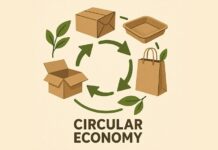
Looking toward the future, the integration of bio-based additives will be a standard practice in the packaging industry. The transition from fossil-based plasticizers to renewable alternatives is a key part of the broader move toward a circular economy. By focusing on thermal resilience of bio-resins, the industry is demonstrating its ability to adapt and thrive in a world where environmental impact is a primary metric of success. The ongoing commitment to research and development will ensure that sustainable films continue to offer the protection and convenience that modern life requires while respecting the limits of our planet.
The collaboration between chemical suppliers and packaging manufacturers is essential for the success of these new materials. Joint development projects allow for the rapid testing of new additives in real-world production environments, ensuring that they are ready for commercial scale. This partnership-driven approach is overcoming the barriers to entry for many bio-based solutions and fostering a culture of continuous improvement. The focus on thermal resilience of bio-resins is a clear signal that the packaging industry is ready to lead the way in the bio-economy, creating products that are safe, effective, and sustainable for generations to come.

