















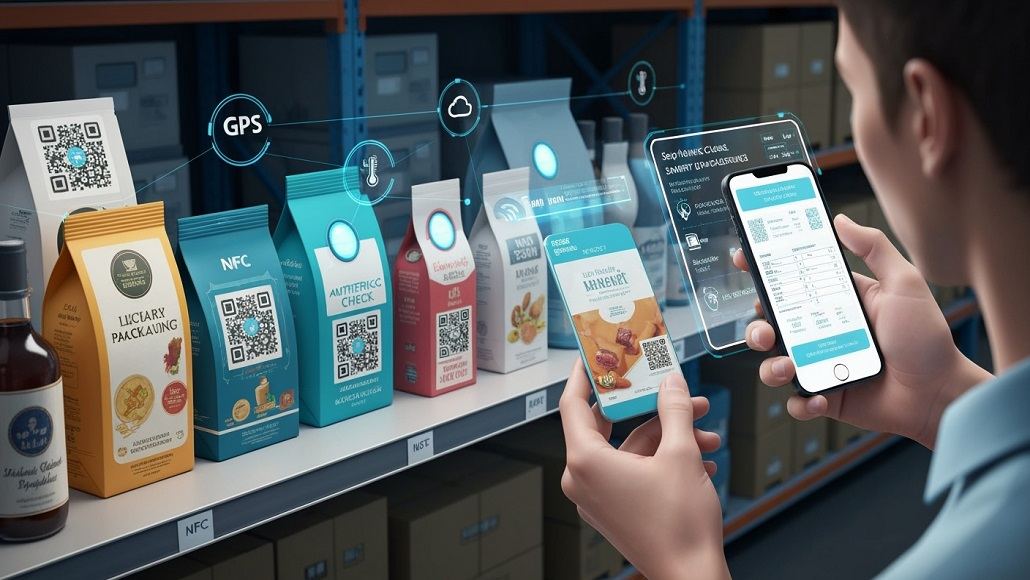

Beyond the Label: The Future of Smart Packaging
The packaging industry is experiencing a revolutionary transformation as smart packaging solutions integrate cutting-edge technologies to create interactive, intelligent systems that enhance consumer engagement while providing unprecedented product information access. The convergence of Internet of Things (IoT) sensors, Near Field Communication (NFC) chips, QR codes, and advanced connectivity platforms is fundamentally redefining packaging from passive protection systems into dynamic communication channels that bridge physical products with digital experiences. This technological evolution represents more than incremental improvement; it embodies a paradigmatic shift toward packaging that actively contributes to supply chain efficiency, consumer satisfaction, and brand differentiation.
Introduction to Smart Packaging
Smart packaging represents the integration of advanced digital technologies into traditional packaging systems, creating intelligent solutions that provide enhanced functionality beyond conventional protection and containment. The global IoT-enabled packaging market has reached USD 20.26 billion in 2025, with projections indicating growth to USD 29.95 billion by 2034, reflecting a robust CAGR of 4.44% that demonstrates accelerating adoption across diverse industry sectors.
Contemporary smart packaging solutions leverage multiple technological components including RFID tags, sensors, QR codes, and cloud integration platforms to transform standard packaging into intelligent systems capable of real-time monitoring, consumer interaction, and supply chain optimization. These integrated technologies enable packaging to serve as data carriers and digital tools that register, update, and communicate information throughout product lifecycles.
The functionality of smart packaging extends beyond simple identification to encompass condition monitoring, authentication verification, consumer engagement, and operational optimization. Temperature-sensitive pharmaceuticals and perishable foods benefit from continuous environmental monitoring, while luxury goods utilize authentication features that combat counterfeiting and protect brand integrity.
Smart packaging solutions create value networks rather than traditional linear value chains, enabling bidirectional information flow that supports dynamic interaction between products, consumers, and supply chain stakeholders. This enhanced connectivity transforms packaging from a cost center into a strategic asset that generates valuable data while improving operational efficiency and consumer satisfaction.
The implementation of smart packaging technologies addresses multiple industry challenges including supply chain visibility, consumer engagement, product authentication, and regulatory compliance. These comprehensive solutions demonstrate how technological integration can create competitive advantages while addressing practical business needs across diverse market segments.
Investment in smart packaging research and development continues expanding as organizations recognize the strategic potential of intelligent packaging systems. This funding supports innovation in sensor technologies, communication platforms, data analytics, and user interface design that advance smart packaging capabilities while reducing implementation costs.
IoT Applications in Packaging
Internet of Things integration in packaging creates sophisticated monitoring and communication systems that provide real-time visibility into product conditions, location tracking, and supply chain performance. IoT-enabled packaging utilizes embedded sensors, wireless communication modules, and cloud-based analytics platforms to deliver comprehensive product lifecycle management.
Temperature and humidity monitoring represents one of the most valuable IoT applications in packaging, particularly for pharmaceuticals, fresh foods, and other climate-sensitive products. Advanced sensor systems continuously track environmental conditions throughout transportation and storage, generating alerts when parameters exceed acceptable ranges and preventing product degradation.
Location tracking capabilities enable comprehensive supply chain visibility from manufacturing facilities through final delivery, providing stakeholders with accurate positioning information and estimated arrival times. GPS integration and cellular communication enable real-time location updates that support logistics optimization and customer communication.
Tamper detection systems utilize IoT sensors to monitor package integrity and identify unauthorized access attempts, providing security features that protect high-value products while ensuring consumer safety. These systems can generate immediate alerts when tampering is detected, enabling rapid response and investigation.
Shock and vibration monitoring protects fragile products during transportation by detecting excessive handling forces and impact events that could cause damage. IoT sensors record acceleration data and impact measurements, providing evidence for insurance claims while identifying areas for handling improvement.
Inventory management applications utilize IoT sensors to automate stock tracking, monitor product movement, and optimize warehouse operations. These systems reduce manual inventory processes while providing accurate real-time stock levels that support demand planning and replenishment decisions.
Predictive maintenance capabilities analyze sensor data to forecast equipment failures and optimize maintenance scheduling, reducing downtime while improving operational efficiency. Machine learning algorithms process historical data to identify patterns that indicate impending maintenance needs.
QR and NFC Integration for Consumers
QR code and NFC technology integration creates seamless consumer interaction platforms that provide instant access to product information, brand experiences, and value-added services through simple smartphone interactions. These accessible technologies require no specialized applications while delivering rich digital content and interactive features.
Product authentication through QR codes and NFC chips provides consumers with immediate verification of product authenticity, combating counterfeit goods while building brand trust. Unique digital identifiers enable consumers to confirm product legitimacy at the point of purchase, protecting both consumers and brand reputation.
Nutritional and ingredient information delivered through QR code scanning provides comprehensive product details beyond traditional label constraints, enabling informed purchasing decisions while supporting dietary restrictions and health considerations. Dynamic content updates ensure information accuracy without requiring package reprinting.
Interactive marketing campaigns utilize QR codes and NFC technology to deliver personalized content, promotional offers, and immersive brand experiences that engage consumers while building loyalty. Augmented reality applications and video content create memorable interactions that differentiate products in competitive markets.
Supply chain transparency features enable consumers to trace product origins, manufacturing processes, and environmental impact through comprehensive digital records accessible via QR code scanning. This transparency supports ethical purchasing decisions while demonstrating corporate responsibility commitments.
Usage instructions and safety information delivered through digital platforms provide detailed guidance that exceeds traditional label limitations while supporting multilingual content and accessibility features. Video demonstrations and interactive guides enhance user experience while reducing product misuse.
Customer support integration through smart packaging technologies provides direct access to technical support, warranty services, and troubleshooting resources, improving customer satisfaction while reducing support costs. Automated ticket creation and product identification streamline support processes.
Enhancing Engagement with Smart Packaging
Smart packaging technologies create unprecedented opportunities for brand engagement through interactive experiences that transform routine product interactions into memorable brand moments. These enhanced engagement strategies build customer loyalty while generating valuable consumer insights and behavioral data.
Personalized content delivery based on consumer preferences and purchase history creates targeted experiences that increase relevance and engagement effectiveness. Machine learning algorithms analyze interaction patterns to optimize content recommendations and timing for maximum impact.
Gamification elements integrated into smart packaging create entertaining experiences that encourage repeat interaction while building brand affinity. Reward programs, contests, and achievement systems transform packaging into engaging platforms that extend brand interaction beyond product consumption.
Social media integration enables consumers to share experiences, reviews, and product photos directly from smart packaging interfaces, amplifying brand reach while generating authentic user-generated content. Seamless sharing capabilities reduce friction while encouraging organic promotion.
Loyalty program integration through smart packaging automates reward tracking and redemption processes while providing convenient access to member benefits and special offers. Digital wallet integration enables seamless point accumulation and reward utilization.
Real-time feedback collection through smart packaging interfaces provides immediate consumer insights that support product development and marketing optimization. Short surveys and rating systems capture sentiment data while identifying improvement opportunities.
Community building features connect consumers with shared interests and product usage patterns, creating brand communities that foster engagement and peer-to-peer support. Discussion forums and experience sharing platforms build lasting customer relationships.
Future Trends in Intelligent Packaging
The future landscape of intelligent packaging promises revolutionary developments as artificial intelligence, advanced sensors, and emerging technologies converge to create increasingly sophisticated and autonomous packaging systems. These innovations will transform packaging from reactive systems to proactive platforms that anticipate needs and optimize performance.
Artificial intelligence integration will enable predictive analytics that anticipate consumer behavior, optimize supply chain operations, and personalize experiences in real-time. Machine learning algorithms will process vast datasets to identify patterns and opportunities that improve packaging effectiveness and consumer satisfaction.
Advanced sensor technologies including biosensors, chemical detectors, and multi-parameter monitoring systems will provide unprecedented product condition visibility while enabling automated quality assurance and safety monitoring. These sensors will detect spoilage, contamination, and degradation with laboratory-level accuracy.
Blockchain integration will create immutable product history records that support comprehensive traceability while enabling secure data sharing across supply chain partners. This technology will enhance authentication capabilities while supporting regulatory compliance and consumer transparency demands.
Autonomous packaging systems will utilize AI-driven decision-making to automatically adjust properties, communicate with supply chain systems, and optimize performance based on real-time conditions. These systems will reduce human intervention requirements while improving consistency and efficiency.
Sustainability monitoring capabilities will track environmental impact throughout packaging lifecycles while identifying optimization opportunities and supporting circular economy initiatives. Real-time carbon footprint calculation and waste reduction recommendations will become standard features.
The convergence of smart packaging technologies with emerging platforms including augmented reality, voice interfaces, and wearable devices will create seamless integration between physical products and digital ecosystems. These developments will further expand the possibilities for consumer engagement and operational optimization.
Smart packaging solutions represent the future of product packaging, where intelligence, connectivity, and interactivity create value far beyond traditional protection and containment functions. As these technologies mature and costs decrease, smart packaging will become standard practice across industries, transforming how products communicate with consumers and supply chain stakeholders. The continued evolution of smart packaging technologies ensures that packaging will remain at the forefront of innovation, creating solutions that benefit businesses, consumers, and the broader ecosystem through enhanced efficiency, engagement, and transparency.