























Enhancing Supply Chain Transparency with Intelligent Packaging Solutions
The modern supply chain landscape demands unprecedented levels of transparency, traceability, and accountability as consumers, regulators, and business partners require comprehensive visibility into product origins, handling conditions, and authenticity verification. Intelligent packaging solutions have emerged as transformative technologies that address these complex requirements through advanced sensor systems, digital communication platforms, and blockchain integration that create end-to-end supply chain transparency. These sophisticated systems transcend traditional packaging functions to become active participants in supply chain management, providing real-time data, authentication capabilities, and operational insights that revolutionize how products move from manufacturers to consumers.
Challenges in Supply Chain Transparency
Contemporary supply chains face multifaceted transparency challenges that stem from increasing complexity, global distribution networks, and heightened stakeholder expectations for visibility and accountability. Traditional supply chain systems often operate with limited visibility between stakeholders, creating information gaps that compromise decision-making and risk management capabilities.
Counterfeit products represent a persistent challenge across industries, with global counterfeiting causing billions in economic losses while threatening consumer safety and brand integrity. Luxury goods, pharmaceuticals, electronics, and automotive components face particular vulnerability to counterfeiting activities that exploit supply chain complexity and limited authentication capabilities.
Regulatory compliance requirements continue expanding across jurisdictions, demanding comprehensive documentation and traceability capabilities that exceed traditional record-keeping systems. Food safety regulations, pharmaceutical tracking mandates, and conflict mineral reporting create complex compliance matrices that require sophisticated data management and reporting capabilities.
Consumer expectations for transparency have evolved dramatically as awareness of ethical sourcing, environmental impact, and supply chain responsibility increases. Modern consumers demand access to comprehensive product information including ingredient origins, manufacturing conditions, environmental footprint data, and labor practice verification.
Quality assurance challenges multiply as supply chains extend across multiple countries and organizations with varying standards and capabilities. Temperature excursions, contamination events, and handling damage often remain undetected until products reach consumers, creating costly recalls and reputation damage.
Data fragmentation across supply chain partners creates information silos that prevent comprehensive visibility and coordination. Different systems, standards, and communication protocols limit data sharing while creating reconciliation challenges that compromise accuracy and timeliness.
Risk management complexity increases as supply chains become more interdependent and vulnerable to disruptions from natural disasters, geopolitical events, and operational failures. Limited visibility into supply chain risks prevents proactive mitigation while complicating response efforts when disruptions occur.
Role of Intelligent Packaging in Traceability
Intelligent packaging solutions provide comprehensive traceability capabilities through integrated sensors, communication technologies, and data platforms that capture, store, and share product information throughout supply chain journeys. These systems create immutable records that support verification, compliance, and quality assurance requirements.
Electronic microchips embedded in intelligent packaging enable comprehensive end-to-end traceability from manufacturing through final consumption. Each package receives unique identifiers that facilitate accurate tracking while supporting product authentication and verification processes throughout supply chain stages.
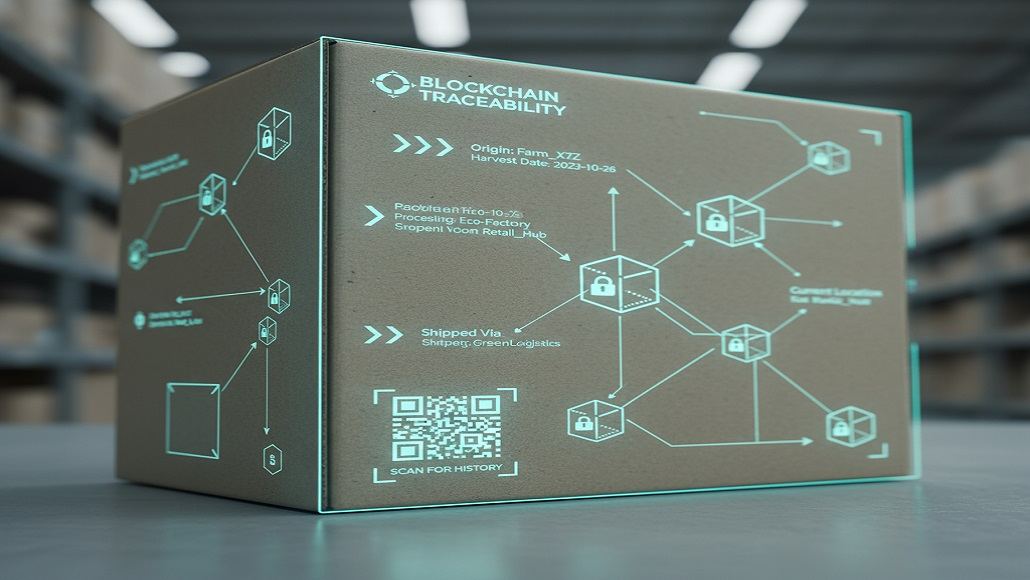
Blockchain integration creates permanent, tamper-proof records of supply chain events that enhance transparency while supporting regulatory compliance and consumer trust. Distributed ledger technology enables secure data sharing among supply chain partners while maintaining data integrity and preventing unauthorized modifications.
Real-time condition monitoring through intelligent packaging sensors provides continuous visibility into environmental parameters including temperature, humidity, shock, and light exposure. These monitoring capabilities enable immediate response to condition excursions while creating comprehensive environmental history records.
Automated data capture eliminates manual record-keeping errors while ensuring consistent documentation throughout supply chain processes. Intelligent packaging systems automatically record timestamps, locations, and condition data without requiring human intervention, improving accuracy while reducing labor costs.
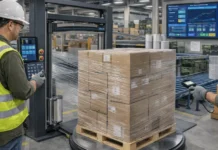
Supply chain visualization platforms integrate intelligent packaging data to provide stakeholders with comprehensive dashboards and analytics that support decision-making and performance optimization. These systems translate raw sensor data into actionable insights that improve supply chain efficiency and risk management.
Predictive analytics capabilities analyze historical data patterns to forecast potential issues and optimize supply chain operations. Machine learning algorithms identify trends that indicate quality risks, delivery delays, or authentication concerns, enabling proactive intervention and prevention.
Preventing Counterfeiting with Smart Packaging
Anti-counterfeiting capabilities represent one of the most valuable applications of intelligent packaging solutions, providing multiple layers of security that protect products, consumers, and brand integrity through advanced authentication technologies and tamper-evident features.
Unique digital identifiers embedded in intelligent packaging create unforgeable product credentials that enable instant authenticity verification through smartphone applications or dedicated readers. These identifiers utilize cryptographic security that prevents duplication while supporting real-time authentication databases.
Tamper-evident technologies integrate with intelligent packaging to provide immediate notification when packages are opened or compromised. These systems can distinguish between authorized access and tampering attempts, providing evidence for investigation while alerting supply chain partners to potential security breaches.
Serialization capabilities assign unique identifiers to individual packages that enable tracking and verification throughout supply chains. These systems support regulatory serialization requirements while providing powerful anti-counterfeiting protection through database verification of legitimate products.
Authentication applications enable consumers and supply chain partners to verify product authenticity instantly through smartphone scanning or dedicated verification devices. These user-friendly systems provide immediate feedback while creating forensic evidence that supports enforcement activities.
Supply chain validation ensures that products follow authorized distribution channels while identifying diversion and grey market activities. Intelligent packaging systems track product movement through legitimate channels while flagging unauthorized distribution patterns that indicate counterfeiting or diversion.
Forensic capabilities embedded in intelligent packaging provide law enforcement and brand protection teams with detailed evidence that supports investigation and prosecution of counterfeiting activities. Digital signatures, location tracking, and access logs create comprehensive evidence trails.
Benefits for Different Industries
Intelligent packaging solutions deliver industry-specific benefits that address unique transparency and traceability requirements while creating competitive advantages through enhanced operational efficiency and consumer trust.
Pharmaceutical industries benefit from intelligent packaging through enhanced patient safety, regulatory compliance, and supply chain security. Serialization requirements, temperature monitoring, and authentication capabilities ensure medication integrity while combating dangerous counterfeit drugs that threaten public health.
Food and beverage companies utilize intelligent packaging to ensure freshness, verify organic certifications, and provide consumers with comprehensive ingredient and sourcing information. Cold chain monitoring prevents spoilage while blockchain traceability supports sustainability claims and allergen management.
Luxury goods manufacturers leverage intelligent packaging to protect brand integrity while providing consumers with authentication capabilities and exclusive digital experiences. Anti-counterfeiting features protect investment value while enhancing customer confidence in authenticity.
Electronics and automotive industries implement intelligent packaging to ensure component authenticity, prevent counterfeit parts integration, and support warranty management. Supply chain visibility identifies unauthorized components while supporting quality assurance and recall management.
Healthcare device manufacturers utilize intelligent packaging to ensure sterility, track usage history, and support regulatory compliance throughout product lifecycles. Environmental monitoring prevents contamination while serialization supports adverse event reporting and device tracking.
Consumer packaged goods companies deploy intelligent packaging to enhance brand engagement while providing transparency about ingredient sourcing, manufacturing processes, and environmental impact. Digital platforms create opportunities for consumer education and loyalty program integration.
Future of Transparent Packaging
The evolution of transparent packaging through intelligent technologies promises revolutionary developments that will further enhance supply chain visibility while creating new opportunities for stakeholder engagement and operational optimization.
Artificial intelligence integration will enable predictive transparency that anticipates stakeholder information needs while automatically generating relevant insights and recommendations. Machine learning algorithms will process supply chain data to identify patterns and anomalies that require attention or investigation.
Advanced sensor technologies including biosensors, chemical detectors, and multi-parameter monitoring systems will provide unprecedented visibility into product conditions and quality parameters. These sensors will detect spoilage, contamination, and degradation with laboratory-level precision while maintaining cost-effectiveness.
Autonomous reporting systems will automatically generate compliance documentation, quality reports, and stakeholder communications based on intelligent packaging data. These systems will reduce administrative burden while ensuring accuracy and timeliness of critical information sharing.
Augmented reality applications will enable immersive supply chain visualization that allows stakeholders to explore product histories, manufacturing processes, and environmental impact through interactive digital experiences. These applications will transform how supply chain information is accessed and understood.
Sustainability monitoring will become standard practice as intelligent packaging systems track carbon footprints, resource utilization, and environmental impact throughout product lifecycles. Real-time sustainability metrics will support informed decision-making while demonstrating corporate responsibility commitments.
The convergence of intelligent packaging with emerging technologies including 5G connectivity, edge computing, and quantum cryptography will create even more sophisticated transparency solutions that provide unprecedented security, speed, and functionality. These advances will establish new standards for supply chain transparency while creating competitive advantages for early adopters.
Intelligent packaging solutions represent the future of supply chain transparency, where technology creates unprecedented visibility, accountability, and trust throughout complex global networks. As these systems mature and become more accessible, they will transform supply chain management from reactive operations to proactive, data-driven systems that anticipate needs and prevent problems. The continued development of intelligent packaging technologies ensures that transparency will become a fundamental characteristic of modern supply chains, benefiting all stakeholders through improved efficiency, safety, and trust.