






















Safety in industrial environments is not just about following rules, it is about protecting lives, assets, and productivity. Every plant, from packaging facilities to manufacturing centers, depends on safe maintenance practices to keep operations running smoothly. When equipment malfunctions or procedures are neglected, the consequences can range from minor injuries to major production losses. Building a strong foundation of safety awareness ensures that employees and equipment function at their best.
Why plant safety is a top priority for modern manufacturers
Industrial plants face unique risks due to heavy machinery, high temperatures, electrical systems, and moving parts. A single lapse in maintenance or supervision can lead to severe injuries, fires, or costly shutdowns. Modern manufacturers understand that a safe workplace is directly linked to performance, efficiency, and reputation.
Creating a culture of safety begins with leadership. Managers who consistently communicate the importance of safety and enforce standards inspire teams to remain vigilant. When workers feel that their well-being is valued, compliance naturally improves, and risks decrease significantly.
How OSHA standards protect plant operations and workers
Safety regulations introduced by the Occupational Safety and Health Administration (OSHA) form the backbone of industrial safety management. These standards provide clear guidelines on handling hazardous materials, operating machinery, and maintaining equipment in compliance with federal laws.
OSHA regulations are designed to prevent accidents through proper training, regular inspections, and emergency preparedness. For industrial and packaging facilities, understanding and applying these standards helps ensure a safe and legally compliant work environment.
The value of professional OSHA training for maintenance teams
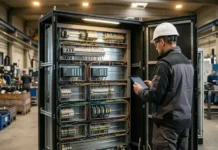
Maintenance workers are often exposed to some of the most hazardous conditions in industrial settings. They work in confined spaces, handle electrical systems, and perform hot work that can easily turn dangerous without proper preparation. Investing in professional osha training equips these teams with the skills and awareness they need to recognize hazards before they cause harm.
Through OSHA-certified programs, workers learn to identify unsafe practices, manage risks, and respond effectively to emergencies. Training sessions also reinforce knowledge of lockout/tagout procedures, machine guarding, and chemical safety, all of which are vital to plant operations. When employees understand both the “why” and “how” behind compliance, they are more likely to make safe decisions on the job.
Integrating safety practices into daily maintenance operations
Preventive maintenance is one of the most effective ways to ensure safety in industrial plants. By scheduling regular inspections and replacing worn-out components, managers can reduce the likelihood of breakdowns that lead to accidents. Including safety checks in maintenance routines helps identify potential hazards such as exposed wiring, oil leaks, or unstable machinery before they escalate.
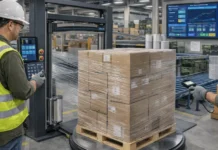
Workforce engagement also plays a key role. Encouraging technicians and machine operators to report hazards immediately creates an open safety culture. Regular toolbox talks and refresher courses help maintain awareness across shifts and departments. In packaging facilities, where machinery often runs continuously, these proactive steps protect both productivity and personnel.
Leadership’s role in sustaining safety and compliance
Strong leadership is the driving force behind lasting safety improvements. Supervisors who lead by example reinforce good habits and motivate teams to prioritize safety. Monitoring performance, rewarding safe behavior, and ensuring consistent communication make employees more attentive and accountable.
Safety leadership also means keeping up with evolving standards. As OSHA regulations are updated to reflect new industrial technologies, continuous education becomes essential. Managers who invest in ongoing training not only meet compliance requirements but also show genuine care for their teams and operations.
Conclusion
Industrial and packaging plants thrive when safety, maintenance, and leadership work together. A secure environment reduces downtime, protects investments, and boosts employee morale.
Partnering with certified training providers such as FMTC Safety ensures that industrial teams receive high-quality OSHA instruction tailored to real workplace conditions, strengthening both compliance and operational safety. Investing in OSHA training empowers maintenance teams to identify risks, apply preventive measures, and respond effectively when incidents occur.
Organizations that prioritize workforce safety demonstrate reliability and responsibility, two qualities that define long-term success. By aligning operations with professional training and compliance standards, companies can achieve a safer, more efficient, and sustainable future.