


















SIG has introduced the first 1-litre aseptic cartons developed using its SIG Terra Alu-free + Full barrier material, which have now arrived in stores. According to the company, this represents the world’s first full barrier solution for aseptic cartons that omits the aluminium layer, offering a further reduction to the already low carbon footprint associated with SIG’s standard carton formats.
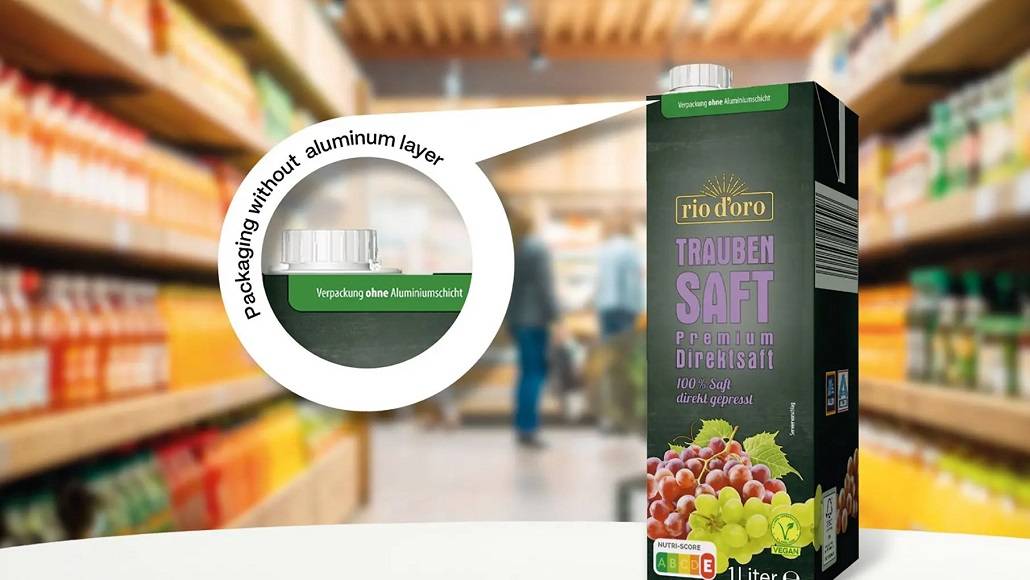
After proving successful in single-serve variants, this packaging innovation is now being scaled into the juice segment, with a multi-serve format launched for the first time. ALDI will be the first to feature this new format, selling grape juice under its Rio d’oro brand in select regions of Germany. The change will deliver a 29% reduction in the carbon footprint when compared to conventional multi-serve cartons. Production and filling are handled by an Italian beverage and food company, utilising its existing SIG Midi 12 Aseptic line operating at full efficiency.
SIG Terra Alu-free + Full barrier retains the complete protection level of traditional aseptic carton materials while supporting a shelf life of up to 12 months. Available globally and at commercial scale, the material is designed to function on all existing SIG filling lines. These include high-speed systems capable of handling up to 24,000 small-size packs or 15,000 multi-serve cartons per hour. The transition to alu-free aseptic cartons requires only minor changes to equipment, making this a plug-and-play solution. Manufacturers can also benefit from the flexibility of SIG’s filling platforms, switching between standard and alu-free materials quickly and without downtime.
“At SIG, one of our goals is to increase the paper content in our aseptic cartons to at least 90% – including the closure – by 2030, allowing further reduction of carbon emissions, and creating a regenerative food packaging system. On the way there, we have developed this packaging structure that is made of more than 80% paper and reduces the number of raw materials from three to two,” said Jose Matthijsse, president and general manager Europe at SIG. “This breakthrough innovation has the potential to streamline the recycling process for aseptic cartons, only requiring the separation of paperboard and polymers.”
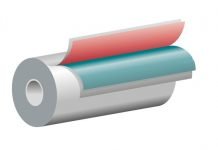
Eliminating the aluminium layer typically required to protect oxygen-sensitive drinks like juices, dairy alternatives, and flavoured milks marks a significant advancement in sustainable packaging. The move represents a meaningful stride toward creating regenerative food packaging systems. The new alu-free aseptic cartons are composed of more than 80% paper, with an ultra-thin polymer coating replacing the aluminium. This protective layer effectively guards against oxygen, moisture, light, and aroma loss. It also reduces the number of raw materials used, enhancing recyclability without compromising product integrity.
When paired with forest-based polymers, this innovation can cut the carbon footprint of SIG’s multi-serve aseptic cartons by as much as 61%. It delivers on both environmental performance and operational efficiency, supporting the industry’s broader shift toward packaging solutions that balance functionality, sustainability, and scalable innovation.