






















Incorporating sustainability into a pack without compromising on any of its other important attributes will help brands to win the hearts – and the heads – of today’s consumers.
Achieving and maintaining consumer loyalty in competitive markets have always been key factors in a brand’s success. Packaging is often critical to this process, whether that means creating on-shelf impact in-store or wowing customers with e-commerce deliveries. From shape and color, to graphics and messaging, to functionality and ease of use, every detail plays its part.
But there’s another major consideration now influencing the consumer – sustainability. With environmental concerns constantly in the news and new regulations to counter these being introduced across the globe, many companies are turning their focus onto more sustainable packaging.
Meeting consumer needs
Recent research supports this approach. According to PWC’s 2024 Voice of the Consumer Survey, there is growing willingness amongst consumers worldwide to prioritize sustainability in their purchasing decisions, with nearly four-fifths of buyers willing to pay a premium for sustainably produced or sourced goods1.
Nevertheless, what is becoming equally clear is that consumers are today more savvy and demanding when it comes to sustainability claims. Euromonitor International found that consumers were not accepting promises or narratives from organisations that don’t show proof of their sustainability pledges2. Lawmakers are also starting to target inaccurate claims, as recent legislation in the UK and Europe demonstrates3.
For packaging manufacturers and specifiers, therefore, the focus needs to be on ensuring that sustainability is not considered as a standalone requirement for a pack but rather as another essential element alongside shape, color and branding aspects.
Plastic’s sustainability credentials
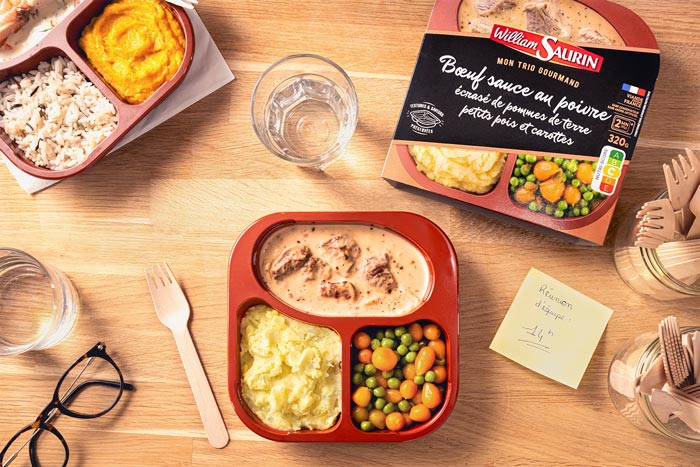
This is particularly important for plastic packaging. The industry continues to take steps to promote the material’s many benefits, for example its lightweight nature and the reduced amount of material needed, which leads to lower energy consumption during production and transportation. Plastic packaging can contribute to reducing food waste by extending shelf life and protecting products, which in turn minimizes emissions associated with food production.
Many plastic packs are also recyclable in countries where the appropriate recycling infrastructure exists, and the recycled material can often be used to produce new packaging. What’s more, advances in mechanical recycling technologies, such as Amcor’s CleanStream® process, are enabling the use of recycled materials in contact-sensitive applications.
Genuine sustainability improvements to boost brand image
The next step is to ensure that benefits such as these are channeled into any new plastic packaging design.
For example, to maximize a pack’s recyclability, choose a mono-material design and a polymer that is already widely recycled. Equally important, look to include recycled content in the pack. Today, a huge variety of packs for many end-markets can contain anything from 30 to 100 percent recycled plastic. Importantly, the use of recycled plastic can help to further reduce CO2 emissions.
Color can sometimes impact on the recyclability of a pack, so this will need to be taken into consideration as part of the design process. For PET containers, for example, transparent or light colors are preferable, as these can be recycled multiple times.
Plastics’ contribution to reducing food waste can be enhanced by the use of portion control packs, resealable options or barrier materials that keep food fresh for longer.
Keeping packs out of the waste stream
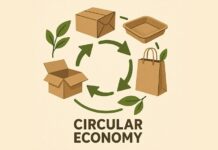
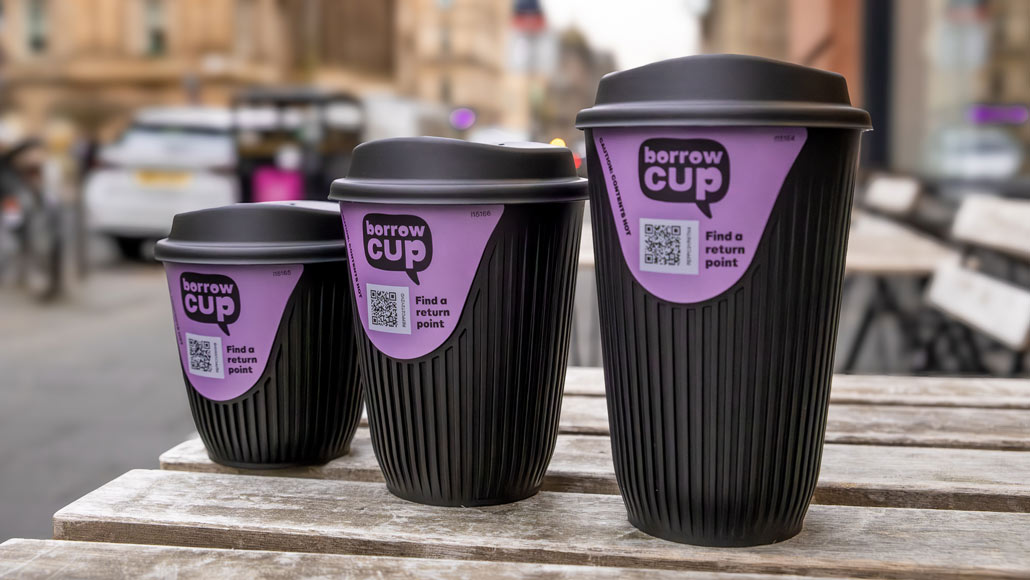
Reuse is a cornerstone of the circular economy. Many plastic containers are ideal for this, from plastic cups to skincare sticks to homecare bottles. In the personal care market, refillable containers offer the perfect combination of promoting reuse while maintaining a premium look for the brand. In the food retail sector, plastic’s lightweight, durable and flexible design makes it perfect for attractive and practical refillable containers.
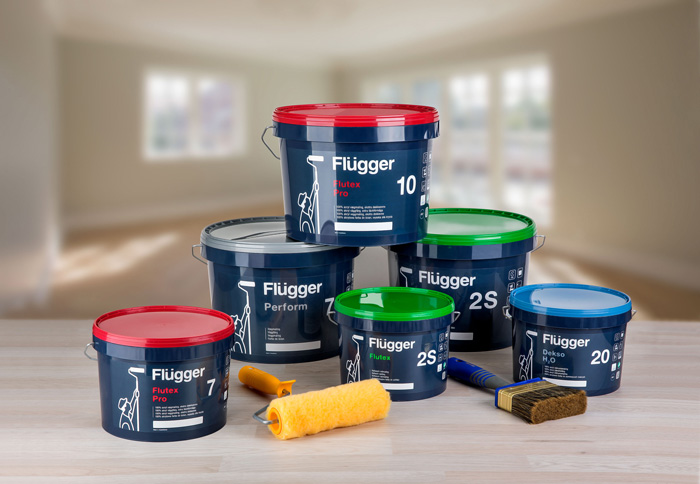
A main requirement for the circular economy is to keep materials out of landfill and incineration, to help ensure high-quality recycled material from which to produce new containers. One example from our portfolio is the award-winning recycled paint container4 solution, where residue paint is removed from the containers and re-engineered into new paint containers, enabling the empty paint cans to be recycled back into new ones.
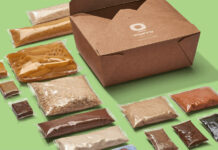
Physical design is another important element in creating a more sustainable pack. While we usually think of shape in terms of aesthetics and on-shelf appeal, it is just as important to design a pack to be as carbon-efficient as possible. Maximizing pallet loads or reducing secondary packaging for an e-commerce delivery can contribute to minimizing emissions while cutting transportation costs.
Fit-for-purpose packaging: sustainability meets functionality
There are, therefore, many ways in which sustainability can be incorporated into a pack’s design. Nevertheless, it is vital that sustainability enhancements complement and do not conflict with any of the other vital components that contribute to its ability to protect, preserve and promote a product. All parameters to develop a more sustainable pack need to be evaluated and integrated whenever appropriate, while at the same time making sure products are still desirable for customers and profitable for the brand.
Lightweighting is a perfect example. A five-liter UN-approved jerrycan is now 35% lighter than a few years ago, but it still ensures effective protection for hazardous products. On supermarket shelves, many brands are now cutting down on plastic. Reducing a 500 ml PET bottle from 28 gms to 23 gms saves 18% in plastic and slashes CO2 emissions by 37% per bottle.
Trigger sprays and pump dispensers are favorite formats for their convenience. Latest designs made in a single material with no metal parts enable them to be more easily recycled. Packs can also use recycled material and new manufacturing techniques enable them to be even lighter.
Building trust with brand values
What is important to point out is that in all these examples, there is no requirement to compromise on the shape or aesthetics of the pack, nor on its functionality and end-user convenience. At the same time, reductions in carbon emissions, improved recyclability and the use of recycled plastic all provide powerful stories for brands to tell.
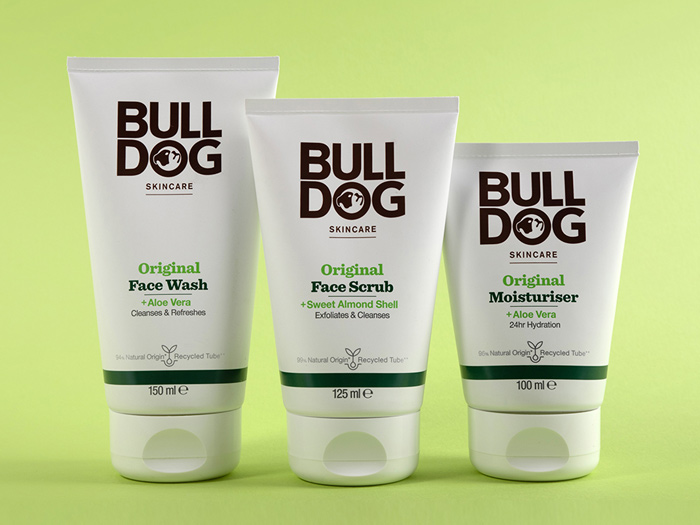
And this gets to the heart of sustainable packaging design – sustainability improvements and attributes offer great opportunities for brands to shine, but they have to be embraced for the right reasons. Today’s consumers are savvier and more skeptical about sustainability claims. Inaccurate or misleading claims can backfire, damaging brand reputation and even opening up the possibility of legal proceedings. But when sustainability is credibly and genuinely integrated into a brand’s positioning, it can enhance image and consumer perceptions, encourage loyalty and boost sales.
With expert insights from Amcor.