



























Key Takeaways
- AI vision systems achieve defect detection accuracy exceeding 99.8%, reducing defect rates by up to 83% in production environments
- Machine vision technology automatically identifies label misalignment, seal integrity issues, barcode readability problems, and color inconsistencies in real-time
- AI-driven systems reduce manual inspection workloads by up to 90%, enabling redeployment of personnel to higher-value functions
- Predictive analytics identify potential quality issues before they cascade into production problems, minimizing waste and rework costs
- Continuous learning algorithms improve detection accuracy over time by analyzing historical data and production patterns
- Integration with production systems enables automatic rejection or correction of defective packages without manual intervention
Quality control in packaging production has historically relied on labor-intensive manual inspection, sampling protocols, and end-of-line auditing processes that inherently introduce inconsistency and allow defects to reach consumers. This traditional approach persists despite significant costs associated with product recalls, customer returns, regulatory penalties, and brand reputation damage. The emergence of artificial intelligence and advanced machine vision systems is fundamentally restructuring how manufacturers approach packaging quality, shifting from reactive inspection-and-rework to proactive defect prevention and real-time quality assurance.
The transformation represents far more than incremental improvement—it marks a paradigm shift toward autonomous quality systems that operate at line speed, with superhuman consistency, learning continuously from production data. Contemporary AI-driven platforms achieve defect detection accuracy exceeding 99.8%, a precision level impossible through manual inspection regardless of operator expertise or vigilance. This remarkable accuracy translates directly to reduced waste, minimized reprints, improved consumer satisfaction, and strengthened regulatory compliance across food, beverage, pharmaceutical, and specialty packaging applications.
Machine Vision Technology and Visual Inspection Capabilities
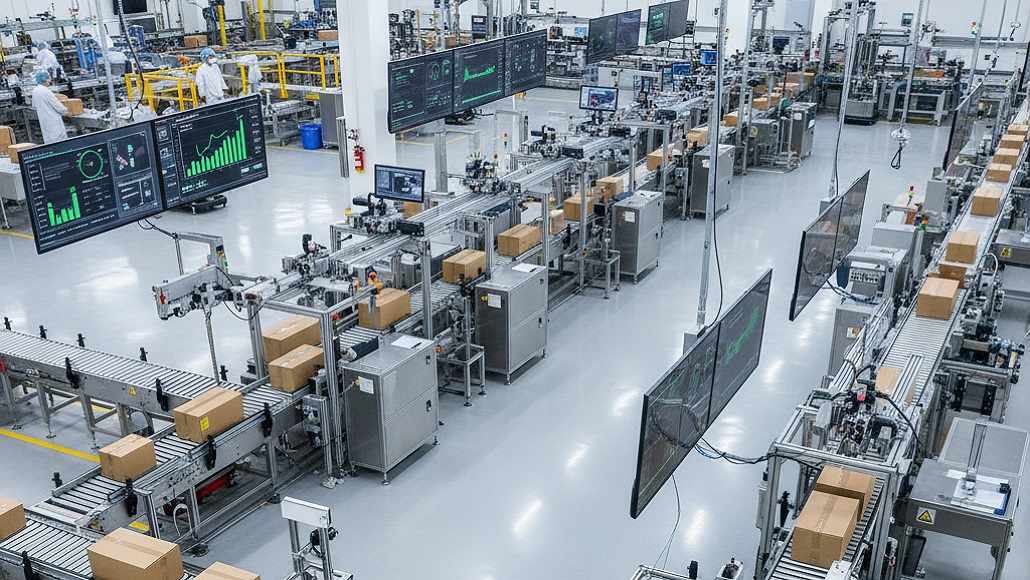
Machine vision packaging inspection systems employ high-resolution imaging—often 4K or higher—combined with sophisticated optical components to capture detailed images of each package surface, label, seal region, and closure. These cameras operate at production line speeds, capturing images continuously while specialized lighting systems illuminate specific features or defects without casting shadows that obscure inspection details.
The computational processing that follows image capture represents the core innovation driving AI-powered inspection. Rather than predetermined rule-based algorithms—which struggle with lighting variations, substrate irregularities, and manufacturing tolerances—modern systems employ deep learning neural networks trained on millions of high-quality images representing both acceptable packages and diverse defect categories. These neural networks learn subtle patterns distinguishing defective packages from acceptable variations, continuously improving accuracy as they encounter new packaging formats or production conditions.
Defect Detection Across Multiple Packaging Parameters
AI quality control systems detect and classify defects across numerous packaging parameters simultaneously, delivering comprehensive quality assurance previously impossible at production line speeds. Label verification represents a foundational capability, automatically identifying skewed, misaligned, incomplete, or missing labels. Optical character recognition algorithms read printed text, verify date codes, allergen information, barcodes, and regulatory content, automatically flagging discrepancies against master specifications.
Seal integrity inspection analyzes seal lines for leaks, incomplete bonding, contamination, or surface irregularities that could compromise product protection or shelf life. Computer vision algorithms compare seal patterns against trained reference images, identifying even minute deviations from acceptable parameters. For sensitive applications including food, pharmaceuticals, and healthcare products, this automated assurance provides quantifiable confidence in product integrity and regulatory compliance.
Color accuracy assessment represents another critical AI inspection capability, automatically measuring color values across package surfaces and comparing against master specifications. Advanced systems detect faded areas, color bleeding, hue shifts, and registration errors that might otherwise escape manual observation. This color verification ensures brand consistency across distributed production facilities, supports supply chain transparency, and enables rapid identification and containment of problematic production batches before distribution.
Pattern Recognition and Defect Classification
Pattern recognition capabilities enable AI packaging systems to identify complex defects including dents, punctures, warping, crumpling, and structural deformations. The technology learns the three-dimensional geometry of acceptable packages, automatically flagging structural anomalies that could affect product protection or shelf presentation. For transparent packaging, foreign object detection identifies contamination, dust, or unwanted particles inside sealed containers—risks that might catastrophically damage brand reputation if distributed to consumers.
Barcode and QR code verification represents another sophisticated pattern recognition function. AI systems automatically detect barcode presence, orientation, and readability, simulating real-world scanning conditions—various angles, lighting, distance—to ensure codes will scan reliably in retail environments. Variable data elements including serial numbers, batch codes, and security features are automatically verified against individual package records, enabling comprehensive product authentication and traceability.
The system’s learning capabilities continuously improve as production continues. Machine learning algorithms accumulate data on packaging variations, manufacturing tolerances, and environmental conditions that influence inspection reliability. This continuous learning means accuracy improves over time—the system becomes progressively more reliable and sensitive as it encounters expanding combinations of conditions and defect scenarios.
Integration with Production Systems and Automated Response
Modern AI inspection systems extend beyond visual identification to integrate directly with production equipment and automated response mechanisms. Packages flagged as defective can be automatically segregated from acceptable units without manual intervention, preventing defective products from reaching distribution or consumers. This automated rejection capability transforms quality control from a detection function to a prevention system, fundamentally restructuring operational workflows.
Real-time communication between inspection systems and upstream production equipment enables process optimization and problem prevention. When quality metrics drift outside acceptable parameters, automated alerts notify production personnel or trigger corrective actions. For sophisticated installations, machine learning algorithms predict optimal machine settings to prevent future defects, enabling continuous process improvement without manual experimentation or operator intervention.
Integration with enterprise quality management systems captures comprehensive defect data across all production lines and shifts, enabling statistical process control, Pareto analysis, and continuous improvement initiatives. Manufacturing personnel can rapidly identify emerging trends—whether equipment wear, material variation, or operator-influenced factors—and implement targeted corrections before quality degradation becomes significant.
Labor Productivity and Workforce Transformation
The implementation of automated visual inspection systems fundamentally transforms packaging facility employment models. Manual inspection represents one of the most monotonous, physically demanding, and cognitively unstimulating roles in manufacturing environments. AI-driven automation eliminates this soul-destroying work while simultaneously improving quality outcomes beyond human capability.
Packaging operations traditionally employ substantial inspection workforces consuming 15-25% of total labor hours. The transition to automated systems often reduces inspection headcount by 80-90%, though enlightened manufacturers redeploy these personnel to higher-value functions—machine maintenance, quality system management, production optimization, and continuous improvement initiatives. This workforce reallocation typically generates net employment benefits through improved career progression, higher compensation, and more intellectually engaging responsibilities.
Predictive Analytics and Quality System Intelligence
Advanced AI systems extend beyond real-time defect detection to employ predictive analytics that anticipate quality problems before they occur. Machine learning models trained on historical production data identify patterns preceding quality deterioration, enabling proactive interventions. Equipment showing early signs of wear or degradation are identified before producing defective packages. Environmental conditions that influence product quality are monitored continuously, with alerts triggered when conditions drift toward problematic ranges.
This predictive capability dramatically changes the economics of quality management. Rather than detecting and segregating defective output, manufacturers prevent defect generation entirely. Maintenance interventions become precisely targeted based on actual equipment condition rather than predetermined maintenance schedules. Production parameters are continuously optimized based on real-time data rather than standardized recipes that tolerate suboptimal operating windows.
Pharmaceutical and Regulated Product Applications
Pharmaceutical and medical device packaging faces exceptionally stringent quality requirements where even minute defects create substantial liability exposure. AI-driven inspection systems deliver the precision and documentation required to meet regulatory standards while providing defensible evidence of quality assurance to regulators and customers.
Security printing features including holograms, microtext, and tamper-evident indicators require sophisticated vision systems and pattern recognition to verify authenticity. AI defect detection technology automatically identifies counterfeit attempts or unauthorized package modifications, protecting brand integrity and consumer safety. The technology’s ability to authenticate security features with superhuman consistency prevents adulterated products from entering legitimate supply chains.
Serialization and traceability requirements mandated by regulations including European Falsified Medicines Directive and Prescription Drug Marketing Act require verification of unique identifiers on every package. AI systems automatically verify serial number presence, readability, and format compliance—tasks impossible through traditional manual inspection at production line speeds. Integration with centralized serialization databases enables real-time verification and authentication across distributed production facilities.
Color Management and Brand Consistency
Food and beverage brands often rely on distinctive package colors as critical brand recognition elements. Color accuracy variations across production batches or facilities undermine brand consistency and consumer perception. AI-powered color management systems ensure consistency within specified tolerances across all production facilities and time periods, protecting brand equity.
The systems employ spectrophotometric measurements combined with machine vision analysis to verify color values across package surfaces. Advanced algorithms account for lighting conditions, viewing angles, and material characteristics that influence perceived color. Automatic alerts notify production personnel when color values drift outside acceptable ranges, triggering corrective actions including ink adjustments or substrate recalibration.
For limited-edition products or seasonal variants where precise color matching authenticates legitimacy, AI color verification prevents adulteration and maintains supply chain integrity. The technology enables authentication through color verification—another layer of anti-counterfeiting protection that’s impossible through conventional methods.
Implementation Challenges and Success Factors
Despite substantial benefits, implementation of AI-driven inspection systems requires careful planning and appropriate expectation management. The technology performs optimally for well-defined defects with substantial visual distinctions from acceptable packages. Subtle quality variations that might escape automated detection but remain unacceptable for certain applications require careful system configuration and supplementary human inspection.
Training data quality directly influences system accuracy and reliability. AI systems trained on limited or unrepresentative data perform poorly when encountering production variations not present in training datasets. Successful implementations invest heavily in comprehensive, diverse training datasets capturing the full spectrum of acceptable packages and relevant defect categories.
Phased implementation approaches typically deliver superior results compared to simultaneous deployment across entire facilities. Pilot deployments on single production lines enable personnel to develop proficiency with new technology, identify unexpected edge cases, and optimize system configuration before scaling. Early deployments should include continued human inspection to verify system accuracy and identify potential blind spots or areas requiring adjustment.
Economic Impact and Return on Investment
The financial analysis supporting AI inspection system deployment typically demonstrates attractive return on investment within two to four years. Cost reductions derive from multiple sources: reduced manual inspection labor, improved first-pass quality reducing rework and scrap, minimized product recalls and associated costs, and optimized material utilization reducing waste.
A typical midsize packaging facility processing 500,000 packages daily might employ 20-30 full-time quality inspectors generating annual costs exceeding $800,000 in direct labor. AI-driven systems often achieve payback periods between 18-36 months based solely on labor reduction, not accounting for quality improvements, waste reduction, or prevented recalls—all of which typically deliver additional substantial value.
Future Evolution and Advanced Capabilities
The trajectory of AI-driven packaging inspection continues accelerating toward more sophisticated capabilities. Three-dimensional imaging systems provide volumetric data enabling complete package analysis rather than simple surface examination. Advanced AI models train on defect consequences—identifying packages that might appear acceptable to conventional inspection but will fail during distribution or retail handling.
Blockchain integration enables cryptographic package authentication and tamper-evident verification at scale. AI systems verify blockchain credentials embedded in packaging materials or printed security features, preventing sophisticated counterfeiting attempts targeting lucrative pharmaceutical and specialty markets.
Conclusion
AI-driven quality control represents one of the most transformative innovations in contemporary packaging manufacturing. The technology delivers precision, consistency, and comprehensive documentation impossible through traditional approaches while simultaneously improving working conditions and enabling workforce reallocation to higher-value functions. As AI capabilities continue advancing and implementation costs decline, deployment across packaging facilities will accelerate rapidly, establishing automated quality assurance as industry standard rather than competitive advantage.