














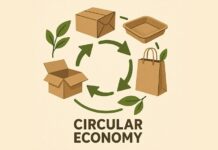







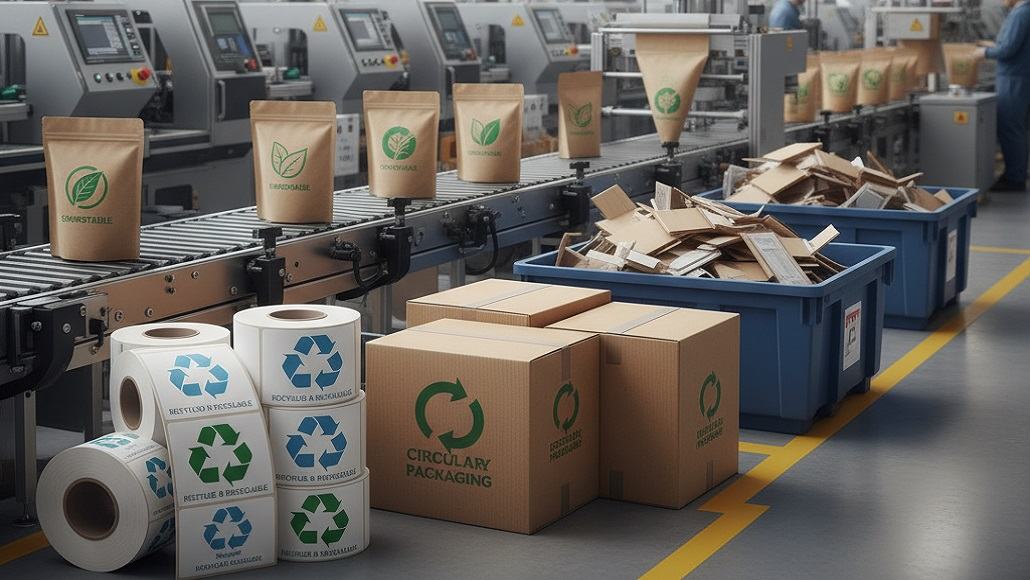

The transition toward circular economy principles has positioned sustainable label design as a critical factor in packaging recyclability and environmental impact reduction. Designing labels for recycling requires comprehensive understanding of material interactions, recycling processes, and separation technologies to create solutions that maintain functional performance while supporting end-of-life processing and material recovery objectives.
Fundamentals of Recyclable Label Design
Effective design approaches for recyclable labels begin with material selection strategies that prioritize compatibility with recycling streams while maintaining essential performance characteristics. Understanding the specific requirements of different recycling processes enables designers to make informed choices about substrates, adhesives, and inks that optimize both functional performance and recyclability outcomes.
Material compatibility assessments evaluate how label components interact with primary packaging materials during recycling processes. These assessments consider density differences, melting point variations, chemical compatibility, and separation behavior under different processing conditions. Proper material selection ensures that labels either separate cleanly from packaging during recycling or remain compatible throughout the recycling process without compromising output quality.
Mono-material approaches utilize materials that are chemically and physically compatible with the primary packaging substrate, enabling recycling as a single material stream. These approaches require careful balance between functional requirements and material compatibility, often necessitating compromises in performance characteristics to achieve recyclability objectives.
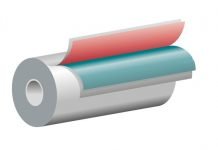
Separation-friendly designs incorporate features that facilitate label removal during recycling processes without damaging the primary packaging material or contaminating recycling streams. These designs may utilize specialized adhesives, perforations, or construction methods that enable clean separation under recycling conditions.
Advanced Adhesive Technologies for Recycling
Washable adhesive formulations represent significant innovations in recycling-compatible label design, enabling complete removal of labels and adhesive residues during standard recycling wash processes. These adhesives maintain adequate performance during product use and distribution while dispersing completely in alkaline wash solutions commonly used in recycling facilities.
Debonding adhesives utilize specialized chemistry that responds to specific triggers such as temperature, pH, or chemical exposure to release labels from packaging substrates. These technologies enable labels to remain securely attached during normal use while facilitating easy removal during recycling processes without leaving residual contamination.
Low-adhesion formulations provide sufficient bonding for intended applications while enabling easier removal and reduced contamination potential during recycling. These adhesives require careful optimization to balance functional requirements with recyclability objectives, often incorporating modified tackifier systems or specialized polymer architectures.
Temperature-responsive adhesives change their bonding characteristics when exposed to elevated temperatures commonly encountered in recycling processes. These systems may become more or less adhesive depending on their specific formulation, enabling either enhanced separation or improved compatibility depending on recycling requirements.
Substrate Selection and Material Optimization
Bio-based substrates derived from renewable resources offer enhanced sustainability while maintaining compatibility with recycling processes. These materials may incorporate agricultural residues, wood fibers, or other renewable components while providing performance characteristics suitable for labeling applications.
Recycled content substrates demonstrate circular economy principles by incorporating post-consumer or post-industrial waste materials into new label products. These materials require careful quality control and processing to ensure consistent performance while supporting waste diversion and resource conservation objectives.
Biodegradable options provide alternative end-of-life pathways for applications where recycling may not be feasible or optimal. These materials break down under composting conditions without leaving harmful residues, supporting organic waste management strategies and reducing landfill disposal requirements.
Thickness optimization reduces material usage while maintaining functional performance, supporting both cost reduction and environmental impact minimization. Thinner substrates require advanced processing techniques and quality control to ensure consistent performance while achieving material savings objectives.
Ink and Coating Compatibility Considerations
Water-based ink formulations eliminate volatile organic compounds while providing excellent printability and color reproduction characteristics. These inks demonstrate superior compatibility with recycling processes compared to solvent-based alternatives while supporting worker safety and environmental protection objectives.
UV-curable inks offer rapid processing speeds and excellent durability while avoiding solvent emissions. Modern UV ink formulations demonstrate improved recyclability characteristics through careful selection of photoinitiators and additives that minimize recycling contamination potential.
Deinkable ink technologies enable complete removal of printing inks during recycling processes, particularly important for paper recycling applications where ink contamination can significantly impact recycled material quality. These inks utilize specialized chemistry that facilitates separation during standard deinking processes.
Barrier coating alternatives replace traditional plastic barrier layers with recyclable or biodegradable options that provide equivalent protection while maintaining compatibility with recycling streams. These coatings may utilize modified paper treatments, bio-based polymers, or other innovative approaches.
Design Guidelines and Best Practices
Minimalist design approaches reduce ink coverage and color complexity while maintaining brand recognition and regulatory compliance. These approaches support both cost optimization and improved recyclability by reducing ink usage and simplifying color separation requirements during recycling.
Color selection strategies prioritize pigments and dyes that demonstrate minimal impact on recycling processes while maintaining brand requirements and visual appeal. Understanding how different colors affect recycling sorting equipment and material quality enables informed design decisions.
Size optimization balances functional requirements with material usage efficiency, ensuring adequate space for required information while minimizing environmental impact. Strategic use of white space and typography can maintain readability while reducing overall label size.
Perforation and kiss-cutting techniques facilitate label removal when required for recycling compatibility. These mechanical features must be carefully designed to maintain label integrity during use while enabling easy removal when necessary.
Regulatory Compliance and Certification Programs
Recycling compatibility testing protocols verify that label designs meet specific recyclability criteria established by industry organizations and regulatory bodies. These tests evaluate separation behavior, contamination levels, and impacts on recycled material quality under standardized conditions.
Third-party certification programs provide independent verification of recyclability claims while building consumer confidence in environmental benefits. Organizations such as the Association of Plastic Recyclers provide testing and certification services that validate recyclability claims.
Regional regulation compliance addresses varying requirements across different markets and jurisdictions where recycling systems and standards may differ significantly. Understanding these variations ensures that label designs meet applicable requirements across intended distribution areas.
Industry standards development continues to evolve as recycling technologies advance and environmental regulations become more stringent. Staying current with emerging standards ensures that label designs remain compliant and competitive in evolving regulatory environments.
Economic Considerations and Value Optimization
Cost-benefit analysis evaluates the economic implications of recyclable design decisions while considering both direct costs and potential savings from improved sustainability positioning. These analyses must consider material costs, processing changes, and potential market advantages from environmental benefits.
Supply chain optimization addresses sourcing requirements for sustainable materials while ensuring reliable availability and quality consistency. Developing relationships with suppliers who specialize in sustainable materials supports long-term success in recyclable label design.
Market positioning advantages from environmental sustainability can justify premium pricing and support brand differentiation strategies. Consumer willingness to pay for sustainable packaging continues to increase, creating economic incentives for recyclable design approaches.
Life cycle cost analysis considers total environmental and economic impacts throughout the label lifecycle, from raw material extraction through end-of-life processing. These comprehensive analyses support informed decision-making that balances multiple cost factors and sustainability objectives.
Innovation Opportunities and Future Developments
Emerging material technologies continue to expand options for recyclable label design while improving performance characteristics and reducing costs. Developments in bio-based polymers, nanomaterials, and smart materials create new possibilities for sustainable labeling solutions.
Smart label technologies that facilitate recycling through embedded information or responsive features may enable more sophisticated sorting and processing systems. These technologies could provide information about optimal recycling conditions or indicate separation timing for automated processing systems.
Digital printing compatibility ensures that recyclable label designs work effectively with both conventional and digital printing processes. As digital printing continues to grow, ensuring compatibility across printing technologies supports market access and operational flexibility.
Circular economy integration opportunities extend beyond basic recyclability to encompass comprehensive resource recovery and reuse strategies. These approaches may incorporate take-back programs, reuse incentives, or closed-loop material systems that maximize resource utilization.
The continued evolution of designing labels for recycling reflects growing environmental awareness and regulatory requirements while supporting business objectives through cost optimization and market differentiation. Organizations that invest in sustainable label design capabilities position themselves for continued success in markets where environmental performance increasingly influences purchasing decisions and regulatory compliance requirements.