


















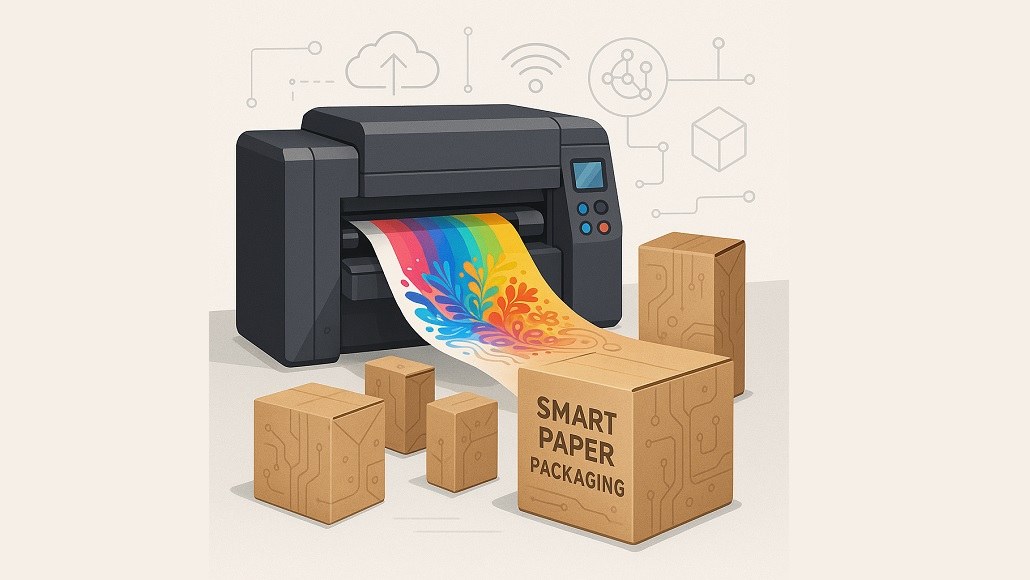

The paper packaging industry stands at the forefront of a revolutionary digital transformation that is reshaping every aspect of production, design, and customer engagement. This digital paper packaging evolution represents far more than incremental technological improvements—it fundamentally redefines how packaging solutions are conceived, manufactured, and integrated into global supply chains.
The Digital Revolution Reshaping Traditional Packaging
Digital transformation has moved beyond simple automation to encompass comprehensive integration of advanced technologies throughout the paper packaging value chain. The global digital printing packaging market, valued at $30.2 billion in 2024 and projected to reach $46.2 billion by 2029, demonstrates the accelerating adoption of digital technologies across the packaging sector.
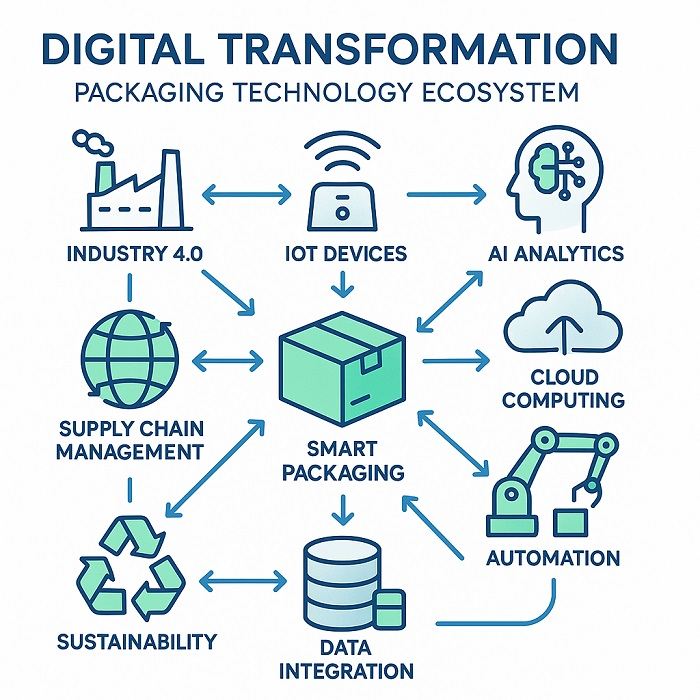
This transformation extends beyond manufacturing processes to include artificial intelligence-driven design optimization, Internet-of-Things integration for smart packaging functionality, and blockchain-based supply chain transparency. Digital paper packaging represents a convergence of materials science, information technology, and consumer experience design that creates unprecedented opportunities for innovation and value creation.
The shift toward digital technologies addresses fundamental challenges that have long constrained paper packaging applications, including production flexibility limitations, customization costs, and supply chain visibility gaps. Digital solutions eliminate many of these constraints while introducing new capabilities that expand market opportunities and enhance competitive positioning.
Advanced Digital Printing Technologies
Digital printing technologies have revolutionized paper packaging production by enabling cost-effective customization, rapid prototyping, and short-run manufacturing that was previously economically unfeasible. Inkjet printing technology, leading market growth at the highest compound annual growth rate, provides exceptional print quality, enhanced production speeds, and environmental benefits that align with sustainability objectives.
Modern digital printing systems achieve remarkable precision and color accuracy that rivals traditional offset printing while offering superior flexibility for variable data printing, personalized messaging, and dynamic content generation. These capabilities enable brands to create unique packaging experiences for different customer segments, geographic markets, or promotional campaigns without traditional setup costs and minimum order requirements.
The integration of advanced ink formulations, including UV-cured and water-based options, ensures compatibility with food-contact applications while maintaining recyclability and environmental safety. UV-cured inks, controlling 44.62 percent of market share in 2024, provide instant curing capabilities that accelerate production schedules while reducing energy consumption compared to conventional drying processes.
Variable data printing capabilities transform packaging into personalized communication vehicles that can incorporate individual customer names, purchase history references, or customized promotional offers. This personalization enhances customer engagement while providing measurable marketing value that justifies premium packaging investments.
Smart Labels and Intelligent Packaging Integration
Smart labels represent a paradigm shift in packaging functionality, transforming traditional identification and branding functions into interactive communication platforms that connect physical products with digital ecosystems. The smart labels market demonstrates robust growth as brands recognize opportunities to enhance customer experiences while gaining valuable data insights.
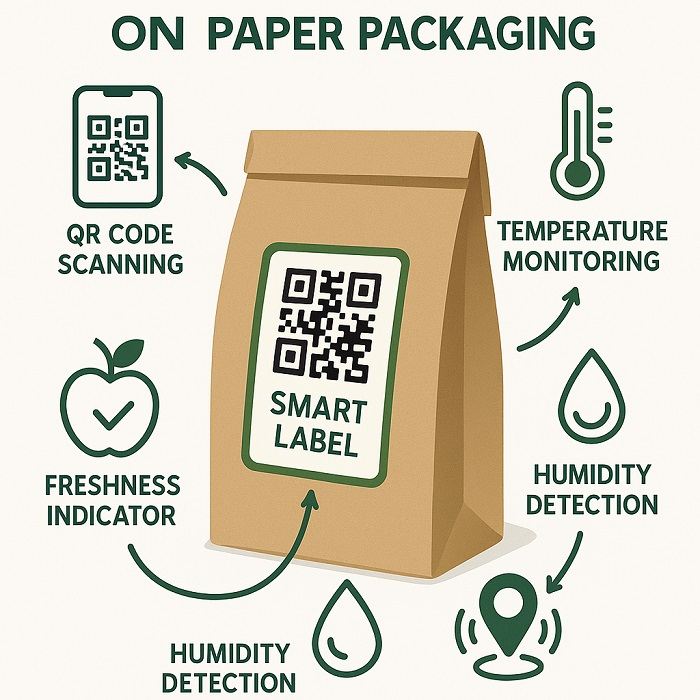
Radio Frequency Identification and Near Field Communication technologies embedded in paper packaging enable real-time tracking, authentication, and customer interaction capabilities that were previously impossible with traditional packaging approaches. These technologies provide supply chain visibility, anti-counterfeiting protection, and customer engagement opportunities that create measurable business value.
Temperature-indicating inks and environmental sensors integrated into paper packaging provide real-time monitoring capabilities that ensure product quality throughout transportation and storage. These smart features prove particularly valuable for pharmaceutical applications, fresh food products, and specialty chemicals where environmental conditions directly impact product integrity.
QR codes, augmented reality markers, and interactive elements printed directly onto paper packaging create bridges between physical products and digital content that enhance customer experiences while providing analytics data about consumer behavior and preferences. These digital touchpoints extend brand engagement beyond the point of purchase while supporting marketing attribution and customer lifetime value optimization.
Manufacturing Process Revolution
Digital transformation in paper packaging manufacturing encompasses comprehensive integration of automation, artificial intelligence, and data analytics that optimize efficiency while reducing waste and environmental impact. Advanced manufacturing systems achieve unprecedented precision and consistency while adapting dynamically to changing production requirements.
Automated production equipment with integrated quality control systems ensures consistent output while minimizing human intervention requirements and reducing error rates. Computer vision systems monitor print quality, structural integrity, and dimensional accuracy in real-time, automatically adjusting parameters to maintain specifications throughout production runs.
Predictive maintenance systems utilize sensor data and machine learning algorithms to optimize equipment performance and minimize unplanned downtime. These systems reduce maintenance costs while improving overall equipment effectiveness and extending machinery lifespan through optimized operating parameters.
Digital workflow management systems integrate design, production planning, inventory management, and quality control into unified platforms that provide real-time visibility across all manufacturing operations. These integrated systems enable rapid response to customer requirements while optimizing resource utilization and delivery performance.
Artificial Intelligence and Design Optimization
Artificial intelligence applications in digital paper packaging extend from automated design generation through supply chain optimization and customer behavior prediction. Machine learning algorithms analyze vast datasets to identify optimal packaging configurations that balance protection requirements, material usage, cost considerations, and aesthetic appeal.
Generative design algorithms create packaging solutions that human designers might never conceive, exploring vast solution spaces to identify optimal configurations for specific product protection and marketing requirements. These AI-generated designs often achieve superior performance characteristics while utilizing fewer materials and reducing manufacturing complexity.
Predictive analytics applications analyze historical data, market trends, and consumer behavior patterns to forecast demand, optimize inventory levels, and identify emerging opportunities for new packaging solutions. These insights enable proactive decision-making that improves customer service while reducing costs and risks.
Computer vision and image recognition technologies automate quality inspection processes while providing detailed analytics about production performance and defect patterns. These systems achieve inspection accuracy levels that exceed human capabilities while operating continuously without fatigue or inconsistency.
Supply Chain Digitization and Transparency
Digital transformation extends throughout paper packaging supply chains, creating unprecedented visibility and coordination capabilities that optimize efficiency while reducing environmental impact and improving customer service. Blockchain technology provides immutable records of material sourcing, manufacturing processes, and distribution activities that enable comprehensive traceability and authentication.
Internet-of-Things sensors throughout supply chains provide real-time data about inventory levels, transportation conditions, and handling events that enable proactive management and exception resolution. This visibility reduces waste, improves delivery reliability, and enhances customer confidence in product quality and authenticity.
Digital twins of manufacturing facilities and supply chain networks enable simulation and optimization of operations before implementing physical changes. These virtual models reduce risks while identifying improvement opportunities that might not be apparent through traditional analysis approaches.
Automated procurement systems utilize artificial intelligence to optimize supplier selection, negotiate contracts, and manage relationships based on comprehensive performance data and predictive analytics. These systems reduce costs while improving supplier performance and relationship quality.
Customer Engagement and Experience Enhancement
Digital paper packaging creates opportunities for unprecedented customer engagement through interactive features, personalized content, and seamless integration with digital marketing campaigns. These capabilities transform packaging from passive containers into active brand communication vehicles that drive customer loyalty and lifetime value.
Augmented reality applications accessed through smartphone cameras transform static packaging into interactive experiences that provide product information, usage instructions, entertainment content, or promotional offers. These experiences create memorable brand interactions that differentiate products while providing measurable marketing value.
Personalization engines utilize customer data to create individualized packaging experiences that reflect purchase history, preferences, demographic characteristics, or behavioral patterns. This personalization demonstrates brand attention to individual customers while increasing perceived value and emotional connection.
Social media integration features encourage customers to share unboxing experiences, product reviews, and brand interactions across digital platforms, extending marketing reach while providing authentic customer testimonials and user-generated content that supports acquisition and retention efforts.
Environmental Impact and Sustainability Integration
Digital paper packaging technologies contribute significantly to environmental sustainability through reduced waste, optimized resource utilization, and enhanced recyclability. Digital printing eliminates many of the waste streams associated with traditional printing processes while enabling on-demand production that minimizes inventory waste and obsolescence.
Optimization algorithms minimize material usage while maintaining protection and aesthetic requirements, reducing resource consumption and disposal requirements throughout product lifecycles. These efficiencies translate directly into cost savings while supporting environmental objectives.
Digital tracking and analytics provide detailed data about packaging performance, recycling rates, and environmental impact that enables continuous improvement and accountability measurement. This data supports sustainability reporting requirements while identifying opportunities for further environmental improvement.
The elimination of physical printing plates, setup materials, and chemical processing associated with traditional printing reduces environmental impact while improving workplace safety and reducing regulatory compliance requirements.
Future Trends and Strategic Implications
The trajectory of digital transformation in paper packaging continues accelerating as new technologies mature and integration capabilities expand. Emerging trends include increased artificial intelligence sophistication, expanded Internet-of-Things integration, and enhanced sustainability optimization that will further transform industry capabilities and customer expectations.
The integration of 5G communication networks will enable real-time data exchange and remote monitoring capabilities that enhance smart packaging functionality while reducing infrastructure requirements and operational complexity.
Advanced materials science combined with digital manufacturing techniques will create opportunities for packaging solutions that adapt dynamically to environmental conditions, usage patterns, or customer preferences, transforming static packaging into responsive systems that optimize performance continuously.
The convergence of digital paper packaging with broader Industry 4.0 initiatives will create integrated manufacturing ecosystems where packaging production optimizes automatically based on real-time demand signals, supply chain conditions, and customer feedback loops.
Organizations that embrace comprehensive digital transformation while maintaining focus on customer value creation and environmental responsibility will establish market leadership positions that strengthen as digital capabilities become increasingly important for competitive success in evolving global markets.