
























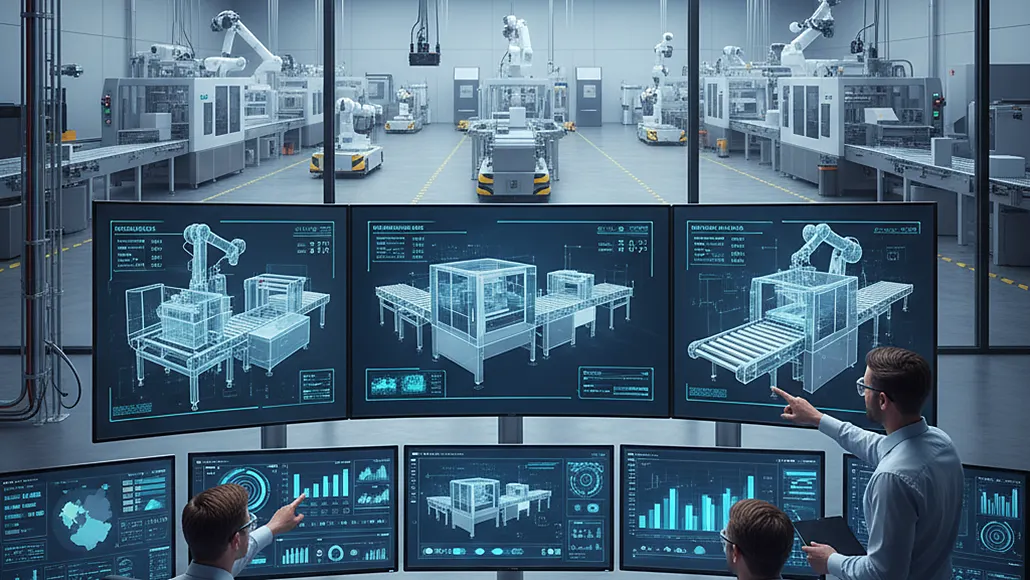

Modern manufacturing demands unprecedented levels of efficiency, flexibility, and reliability from packaging operations that must adapt rapidly to changing market conditions, product variations, and consumer expectations. Traditional approaches to packaging line optimization rely on physical testing, trial-and-error modifications, and reactive maintenance strategies that consume time, resources, and production capacity. Digital twins in packaging represent a transformative technology that creates virtual replicas of physical packaging systems, enabling real-time simulation, predictive analysis, and proactive optimization that accelerates performance improvements while reducing costs and minimizing operational disruptions.
The digital twin packaging line market, valued at approximately $1.7 billion in 2024 and projected to reach $3.2 billion by 2035 with a compound annual growth rate of 6.0%, reflects growing industry recognition that virtual modeling and simulation capabilities provide competitive advantages in increasingly complex manufacturing environments. Digital twins enable packaging manufacturers to optimize production processes, predict equipment failures, validate design changes, and train operators without interrupting actual production lines, creating opportunities for continuous improvement and operational excellence.
Contemporary digital twins integrate Internet of Things sensors, artificial intelligence algorithms, cloud computing platforms, and advanced simulation engines to create comprehensive virtual representations that mirror physical packaging systems with remarkable accuracy. These intelligent systems continuously collect and analyze data from production equipment, environmental conditions, and process parameters while providing actionable insights that drive immediate and strategic optimization decisions. The result is manufacturing intelligence that transforms packaging operations from reactive to predictive, enabling faster response to challenges while maximizing equipment effectiveness and product quality.
Understanding Digital Twin Architecture for Packaging Systems
Core Components and Data Infrastructure
Digital twins in packaging systems consist of interconnected components that create bidirectional information flows between physical and virtual environments. The physical layer encompasses actual packaging equipment including filling machines, labeling systems, conveyor networks, and quality control devices equipped with sensors that monitor operational parameters such as temperature, pressure, vibration, speed, and throughput rates. These sensors generate continuous streams of real-time data that feed the virtual representation while providing granular visibility into equipment performance and process conditions.
The virtual layer comprises sophisticated software models that replicate physical system behavior through mathematical algorithms, simulation engines, and machine learning frameworks. These models incorporate equipment specifications, process parameters, material properties, and environmental conditions to create accurate representations of packaging line behavior under various operating scenarios. Advanced simulation capabilities enable testing of different configurations, operating parameters, and improvement strategies without affecting physical production processes.
The data infrastructure connects physical and virtual layers through secure communication networks, edge computing platforms, and cloud-based analytics systems that ensure reliable information exchange while maintaining data integrity and security. Edge computing capabilities enable real-time processing and decision-making at production locations while cloud platforms provide scalable analytics and storage resources for complex modeling and long-term trend analysis. This hybrid architecture balances performance requirements with cost considerations while ensuring robust system operation.
Integration with Manufacturing Execution Systems
Successful digital twin implementation requires seamless integration with existing manufacturing execution systems, enterprise resource planning platforms, and production control infrastructure to ensure comprehensive visibility and coordinated optimization efforts. Standard communication protocols including OPC-UA, MQTT, and RESTful APIs enable real-time data exchange between digital twin platforms and manufacturing systems while maintaining data consistency and security across organizational boundaries.
Integration capabilities extend to quality management systems, maintenance management platforms, and supply chain management tools that benefit from digital twin insights and predictions. Production scheduling systems utilize digital twin performance data to optimize batch sequencing and changeover planning while maintenance systems receive predictive alerts that enable proactive intervention before equipment failures occur. This comprehensive integration creates coordinated manufacturing ecosystems that maximize the value of digital twin investments.
The integration architecture incorporates data standardization protocols that ensure consistent interpretation of information across different systems and platforms. Common data models enable sharing of equipment information, process parameters, and performance metrics while maintaining compatibility with diverse software vendors and technology platforms. These standardization efforts reduce implementation complexity while enabling future system upgrades and technology evolution.
Simulation Capabilities and Predictive Analytics
Process Optimization Through Virtual Testing
Digital twins enable comprehensive process optimization through virtual testing capabilities that allow packaging manufacturers to evaluate different operational scenarios without disrupting physical production. Advanced simulation engines model the effects of parameter changes including line speeds, temperature settings, pressure adjustments, and material variations while predicting impacts on throughput, quality, and efficiency metrics. These virtual experiments identify optimal operating conditions while minimizing risks associated with physical testing.
The simulation capabilities extend to equipment configuration testing where manufacturers can evaluate different machine layouts, conveyor arrangements, and workflow designs before implementing physical changes. Virtual commissioning processes validate new equipment installations, software configurations, and integration procedures while identifying potential problems before they affect production operations. These capabilities significantly reduce implementation timeframes while ensuring successful system deployments.
Scenario analysis functions enable evaluation of various production strategies including different product mixes, seasonal demand patterns, and capacity planning alternatives. Manufacturers can assess the impacts of new product introductions, packaging format changes, and regulatory requirements while developing implementation strategies that minimize disruption and maximize success probability. These analytical capabilities support strategic decision-making while reducing uncertainties associated with operational changes.
Predictive Maintenance and Equipment Health Monitoring
Digital twins provide sophisticated predictive maintenance capabilities that monitor equipment health continuously while forecasting potential failures before they impact production operations. Machine learning algorithms analyze sensor data patterns, historical maintenance records, and operating conditions to identify degradation trends and predict maintenance requirements with increasing accuracy over time. These predictions enable proactive maintenance scheduling that minimizes unplanned downtime while optimizing maintenance resource utilization.
Equipment health monitoring extends beyond simple sensor threshold monitoring to include complex pattern recognition that identifies subtle changes in equipment behavior that may indicate developing problems. Vibration analysis algorithms detect bearing wear, alignment issues, and mechanical loosening while thermal monitoring identifies lubrication problems, electrical faults, and cooling system inefficiencies. These advanced diagnostic capabilities enable early intervention that prevents minor problems from escalating into major failures.
The predictive analytics capabilities incorporate external factors including environmental conditions, production schedules, and material characteristics that influence equipment performance and maintenance requirements. Seasonal variations, product changeovers, and operational intensity levels all affect equipment wear patterns and maintenance needs. Digital twin systems account for these factors while providing maintenance recommendations that balance equipment reliability with operational efficiency and cost considerations.
Real-Time Performance Monitoring and Control
Operational Visibility and Dashboard Analytics
Digital twins provide comprehensive operational visibility through advanced dashboard systems that present real-time performance metrics, trend analysis, and predictive insights in intuitive formats accessible to operators, supervisors, and management personnel. Customizable displays present relevant information for different organizational roles while maintaining focus on critical performance indicators including overall equipment effectiveness, quality rates, energy consumption, and throughput metrics.
Real-time monitoring capabilities track production performance against targets while identifying deviations and potential problems as they develop. Automated alerting systems notify appropriate personnel when performance metrics exceed acceptable ranges while providing contextual information that supports rapid problem resolution. These monitoring systems enable immediate response to operational issues while maintaining comprehensive records for trend analysis and continuous improvement initiatives.
The analytics capabilities extend beyond simple performance measurement to include root cause analysis, correlation identification, and optimization recommendations based on historical data patterns and predictive modeling. Advanced algorithms identify relationships between different process parameters while recommending adjustments that improve overall performance. These insights drive continuous improvement efforts while building organizational knowledge about optimal operating strategies.
Automated Control and Adaptive Optimization
Digital twins enable automated control capabilities that adjust process parameters in real-time based on changing conditions, performance feedback, and optimization algorithms. Closed-loop control systems modify equipment settings including speeds, temperatures, pressures, and timing parameters to maintain optimal performance while adapting to variations in materials, environmental conditions, and production requirements. These adaptive systems reduce operator workload while ensuring consistent performance across diverse operating conditions.
The automated optimization capabilities incorporate machine learning algorithms that continuously refine control strategies based on performance outcomes and changing conditions. These self-learning systems identify optimal operating points for different product types, environmental conditions, and equipment states while automatically implementing improvements that enhance efficiency and quality. The continuous learning approach ensures sustained performance improvement over time while reducing dependence on manual optimization efforts.
Safety and quality control systems integrate with automated control functions to ensure that optimization efforts never compromise product quality or operator safety. Constraint management algorithms prevent parameter adjustments that could result in unsafe conditions or quality problems while maintaining focus on performance improvement objectives. These safeguards enable confident deployment of automated control systems while ensuring responsible operation.
Quality Improvement and Defect Prevention
Statistical Process Control and Quality Analytics
Digital twins enhance quality management through sophisticated statistical process control capabilities that monitor quality parameters continuously while identifying trends and variations that may indicate developing problems. Advanced analytics algorithms process quality data from multiple sources including vision inspection systems, sensor measurements, and laboratory testing results to provide comprehensive quality assessment and trend analysis capabilities.
Quality prediction models utilize historical data patterns, process parameters, and environmental conditions to forecast quality outcomes and identify operating conditions that maximize quality performance. These predictive capabilities enable proactive quality management that prevents defects before they occur while reducing inspection requirements and quality-related waste. Machine learning algorithms continuously refine quality predictions while adapting to changing process conditions and product requirements.
The quality analytics extend to root cause analysis capabilities that identify relationships between process parameters and quality outcomes while recommending corrective actions that address underlying causes rather than symptoms. Correlation analysis identifies critical control points while optimization algorithms recommend parameter adjustments that improve quality while maintaining productivity and efficiency targets. These capabilities support continuous quality improvement while reducing quality-related costs and customer complaints.
Defect Detection and Classification Systems
Advanced computer vision and artificial intelligence capabilities integrated with digital twins enable sophisticated defect detection and classification systems that identify quality issues with greater accuracy and consistency than traditional inspection methods. Deep learning algorithms trained on extensive datasets recognize subtle defect patterns while adapting to new product types and quality requirements without requiring extensive reprogramming efforts.
Real-time defect analysis capabilities provide immediate feedback about quality performance while identifying patterns that may indicate systematic problems requiring corrective action. Automated classification systems categorize defects by type, severity, and probable cause while generating data that supports quality improvement initiatives and supplier feedback programs. These analytical capabilities enable targeted improvement efforts while building knowledge about quality drivers and control strategies.
The defect prevention capabilities extend beyond detection to include predictive modeling that identifies process conditions likely to produce defects while recommending preventive actions. Predictive quality models analyze equipment performance, material properties, and environmental conditions to forecast quality risks while enabling proactive interventions that prevent defect occurrence. These prevention-focused approaches reduce waste while improving customer satisfaction and brand reputation.
Training and Skills Development Applications
Virtual Training Environments and Simulation
Digital twins provide sophisticated training environments that enable operator skill development without interrupting production operations or risking equipment damage. Virtual reality interfaces allow trainees to interact with realistic packaging line simulations while learning equipment operation, troubleshooting procedures, and safety protocols in controlled environments. These immersive training experiences accelerate learning while providing consistent training quality across different locations and time periods.
The virtual training capabilities include scenario-based learning modules that present trainees with various operational challenges including equipment malfunctions, quality problems, and emergency situations. Trainees develop problem-solving skills while learning proper response procedures without the risks and costs associated with real equipment failures. Performance tracking systems monitor trainee progress while identifying areas requiring additional instruction or practice.
Advanced training simulations incorporate realistic physics models and equipment behavior patterns that provide authentic operational experiences while maintaining safety and cost effectiveness. Trainees can practice complex procedures including equipment changeovers, maintenance tasks, and troubleshooting activities while building confidence and competence before working on actual production equipment. These training capabilities reduce onboarding time while improving operator performance and safety awareness.
Knowledge Capture and Best Practice Documentation
Digital twins serve as platforms for capturing and preserving organizational knowledge about optimal operating procedures, troubleshooting strategies, and improvement techniques. Experienced operators and technicians can document their expertise within digital twin environments while creating training materials and reference resources that preserve institutional knowledge for future generations of employees.
Best practice documentation capabilities enable standardization of procedures across multiple production lines and facilities while ensuring consistent performance and quality outcomes. Digital twin systems can replay optimal operating sequences while providing detailed explanations of parameter settings, timing requirements, and quality checkpoints. These documentation capabilities support knowledge transfer while reducing variability in operational performance.
The knowledge management systems incorporate feedback mechanisms that enable continuous improvement of training materials and operational procedures based on real-world experience and performance outcomes. User-generated content including troubleshooting guides, optimization tips, and safety reminders enriches the knowledge base while building collaborative learning environments that benefit from collective expertise and experience.
Cost Reduction and Return on Investment
Operational Efficiency Improvements
Digital twin implementation delivers substantial operational efficiency improvements through optimized equipment utilization, reduced downtime, and enhanced process performance that translate directly into cost savings and improved profitability. Predictive maintenance capabilities typically reduce unplanned downtime by 30-50% while extending equipment life by 20-40% through optimized maintenance scheduling and early problem detection. These improvements significantly reduce maintenance costs while improving production reliability and customer satisfaction.
Energy efficiency optimization through digital twin analysis often yields 10-20% reductions in energy consumption through improved equipment settings, operational procedures, and maintenance practices. Smart scheduling algorithms optimize equipment operation during periods of favorable energy pricing while reducing peak demand charges and improving overall energy utilization efficiency. These energy savings provide immediate cost benefits while supporting environmental sustainability objectives.
Quality improvement initiatives enabled by digital twin analytics typically reduce defect rates by 15-30% while improving first-pass yield and reducing rework requirements. Enhanced process control and predictive quality management minimize waste generation while improving customer satisfaction and reducing quality-related costs including returns, replacements, and reputation damage. These quality improvements often provide the largest return on investment components for digital twin implementations.
Resource Optimization and Waste Reduction
Digital twins enable sophisticated resource optimization that minimizes material consumption, reduces changeover waste, and improves overall equipment effectiveness through intelligent scheduling and process optimization. Material usage optimization algorithms identify opportunities to reduce packaging material consumption while maintaining protective performance and regulatory compliance. These optimizations often yield 5-15% reductions in material costs while supporting sustainability objectives.
Changeover time reduction through virtual validation and optimization typically decreases setup times by 25-40% while improving changeover consistency and reducing material waste associated with startup and adjustment procedures. Digital twin simulations enable pre-validation of changeover procedures while identifying optimal parameter settings that minimize startup time and waste generation. These improvements increase productive capacity while reducing operating costs.
Inventory optimization capabilities help manufacturers reduce working capital requirements while ensuring adequate material availability for production operations. Digital twins enable accurate demand forecasting, optimal safety stock calculations, and improved supplier coordination that reduces inventory carrying costs while minimizing stockout risks. These inventory optimizations often provide significant cash flow improvements while reducing storage and handling costs.
Integration Challenges and Implementation Strategies
Technology Infrastructure Requirements
Successful digital twin implementation requires robust technology infrastructure including high-speed communication networks, edge computing platforms, and cloud-based analytics systems that support real-time data collection, processing, and analysis requirements. Network infrastructure must provide reliable, low-latency communication between production equipment and digital twin platforms while ensuring data security and system availability. Redundant communication paths and backup systems ensure continued operation during network disruptions or maintenance activities.
Data management infrastructure must accommodate large volumes of sensor data while providing efficient storage, retrieval, and analysis capabilities that support both real-time operations and long-term trend analysis. Cloud-based platforms provide scalable storage and computing resources while edge computing systems enable local processing that reduces network bandwidth requirements and improves response times. Hybrid architectures balance performance requirements with cost considerations while ensuring robust system operation.
Cybersecurity infrastructure protects sensitive operational data while preventing unauthorized access that could compromise production operations or intellectual property. Multi-layered security approaches including network segmentation, encryption, access controls, and monitoring systems ensure comprehensive protection while maintaining system usability and performance. Regular security assessments and updates maintain protection against evolving threats while ensuring compliance with industry standards and regulatory requirements.
Change Management and Organizational Adaptation
Digital twin implementation requires comprehensive change management programs that address organizational culture, skill development, and workflow modifications necessary for successful technology adoption. Training programs must address different organizational levels from operators and technicians to supervisors and management while ensuring everyone understands digital twin capabilities and benefits. Clear communication about implementation objectives, timelines, and expected outcomes builds organizational support while addressing concerns about job security and technology complexity.
Workflow integration requires careful analysis of existing procedures and responsibilities while developing new processes that leverage digital twin capabilities effectively. Cross-functional teams including production, maintenance, quality, and IT personnel collaborate to develop implementation strategies that minimize disruption while maximizing benefits. Pilot programs enable validation of new procedures while building organizational confidence and expertise before full-scale deployment.
Performance measurement systems track implementation progress while identifying areas requiring additional support or modification. Key performance indicators including system utilization rates, user adoption metrics, and performance improvements provide objective measures of implementation success while guiding continuous improvement efforts. Regular feedback collection and analysis ensure that implementation strategies remain aligned with organizational needs and objectives.
Future Developments and Emerging Technologies
Artificial Intelligence and Machine Learning Evolution
The continued evolution of artificial intelligence and machine learning technologies promises even more sophisticated digital twin capabilities including autonomous optimization, predictive reasoning, and adaptive learning systems that require minimal human supervision. Advanced AI algorithms will enable digital twins to identify optimization opportunities automatically while implementing improvements without human intervention. These autonomous systems will continuously learn from operational experience while adapting to changing conditions and requirements.
Natural language processing capabilities will enable conversational interfaces that allow operators and managers to interact with digital twins using normal speech while receiving intelligent responses and recommendations. Voice-controlled systems will provide hands-free access to digital twin information while visual interfaces present complex data in intuitive formats that support rapid understanding and decision-making. These user interface improvements will accelerate technology adoption while reducing training requirements.
Explainable AI technologies will provide transparency into digital twin reasoning and recommendations while enabling users to understand how conclusions are reached and decisions are made. This transparency will build trust in automated systems while supporting regulatory compliance and quality management requirements. Visual explanation systems will present complex analyses in understandable formats that enable informed decision-making and continuous learning.
Extended Reality and Immersive Technologies
Extended reality technologies including virtual reality, augmented reality, and mixed reality will enhance digital twin interfaces while providing immersive experiences that improve understanding and engagement with complex systems. Virtual reality training environments will provide realistic operational experiences while augmented reality overlays will present digital twin information within real-world contexts. These immersive technologies will accelerate learning while improving operational effectiveness.
Augmented reality maintenance guidance will overlay digital twin information onto physical equipment while providing step-by-step instructions for maintenance procedures, troubleshooting activities, and optimization tasks. Remote assistance capabilities will enable expert technicians to provide guidance to local personnel while reducing travel requirements and improving response times. These applications will improve maintenance quality while reducing costs and skill requirements.
Digital collaboration platforms will enable multiple users to interact with digital twins simultaneously while sharing insights and coordinating improvement activities across different locations and time zones. Virtual meeting spaces within digital twin environments will facilitate collaborative problem-solving while providing shared visualization of complex data and analysis results. These collaborative capabilities will enhance organizational learning while accelerating improvement initiatives.
The transformation of packaging operations through digital twin technology represents a fundamental shift toward intelligent manufacturing that leverages virtual modeling, predictive analytics, and automated optimization to achieve unprecedented levels of efficiency, quality, and reliability. Digital twins in packaging provide comprehensive visibility into operational performance while enabling proactive management strategies that prevent problems before they impact production operations.
Organizations that invest in digital twin capabilities today will establish competitive advantages through reduced costs, improved quality, enhanced flexibility, and accelerated innovation that support long-term business success. The continued evolution of artificial intelligence, extended reality, and cloud computing technologies will further enhance digital twin capabilities while creating new opportunities for operational excellence and competitive differentiation in the dynamic packaging industry.