





















Smarter Melt-On-Demand Systems for High-Speed Packaging
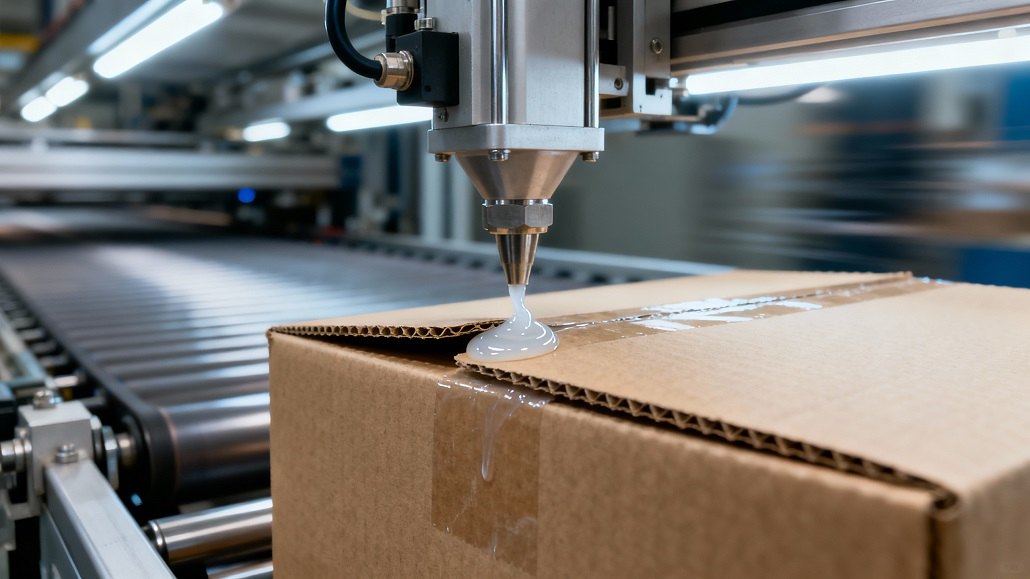
The evolution of adhesive dispensing technology has reached a decisive turning point. Modern packaging operations no longer tolerate the inefficiencies that once characterized traditional hot-melt systems—prolonged startup times, adhesive degradation, and unplanned downtime have become unacceptable in an industry where every minute of production carries measurable financial weight. Melt-on-demand systems packaging represents a fundamental shift in how manufacturers approach adhesive application, delivering improvements that extend far beyond simple operational convenience.
Understanding the Technology Behind Modern Adhesive Systems
Traditional tank-based melters operate on a principle that inherently creates problems. Large reservoirs of adhesive sit at elevated temperatures for extended periods, waiting to be dispensed. This approach, reminiscent of keeping food warm in a slow cooker, inevitably leads to thermal degradation. The adhesive along the perimeter of the tank experiences excessive heat exposure, forming char that eventually breaks free and travels through the system, plugging nozzles and creating blockages that halt production.
Melt-on-demand technology addresses this fundamental flaw through a different architectural approach. Rather than maintaining a large volume of molten adhesive in a heated tank, these systems employ specially designed melting chambers that process adhesive on a first-in, first-out basis. The adhesive reaches its optimal temperature precisely when needed, moves immediately to the point of application, and never experiences the prolonged heat exposure that causes degradation. This seemingly simple change in methodology produces cascading benefits throughout the packaging operation.
The melting rate performance of contemporary systems demonstrates remarkable advancement. Where traditional tank-based units required forty-five minutes or more to reach operating temperature, current melt-on-demand systems packaging achieve full operational readiness in ten minutes or less. One manufacturer reports their latest system delivers a thirteen kilogram per hour melt rate while maintaining this rapid startup capability. This sixty-five percent reduction in startup time translates directly into increased line productivity, particularly valuable for operations running multiple shifts or requiring frequent equipment cycling.
Operational Advantages Driving Industry Adoption
The prevention of adhesive charring stands as perhaps the most significant operational benefit these systems deliver. Char formation represents the leading cause of unplanned downtime in packaging adhesive applications. Once char enters a system, removing it completely becomes nearly impossible without taking extreme measures—system flushes may provide temporary relief, but char adhering to tight corners and crevices within the equipment continues causing problems long after cleaning attempts conclude.
Melt-on-demand technology eliminates char formation through thermal management that prevents adhesive degradation. The adhesive never sits idle at elevated temperature, never experiences oxygen exposure in a stagnant state, and never undergoes the thermal shocking that occurs when room-temperature adhesive drops into a heated reservoir. Industry case studies document adhesive usage reductions of thirty to forty-five percent when operations transition from tank-based to melt-on-demand systems packaging, with simultaneous reductions in maintenance requirements and equipment failures.
Temperature consistency throughout the dispensing process significantly impacts adhesive performance and packaging quality. Traditional heated hoses often develop hot spots—localized areas where temperature exceeds the surrounding environment—creating viscosity variations that result in inconsistent adhesive bead patterns. Advanced melt-on-demand systems packaging incorporate heated hose designs with additional silicone layers that distribute thermal energy evenly, eliminating hot spots and ensuring consistent adhesive viscosity from melter to applicator. This thermal uniformity directly improves seal quality and reduces pop-opens, those frustrating packaging failures that occur when adhesive bonds fail during handling or transit.
Integration Capabilities for Modern Production Environments
Contemporary packaging lines operate at speeds that would have seemed impossible a generation ago. High-speed pharmaceutical packaging applications, for example, demand cure times measured in milliseconds rather than seconds. One adhesive formulation designed specifically for pharmaceutical packaging achieves full cure in one hundred sixty milliseconds, enabling packaging machinery to operate without slowing for adhesive setting. Melt-on-demand systems packaging must deliver adhesive at the precise temperature, viscosity, and volume required to support these demanding applications.
The ability to supply multiple applicators from a single melting unit provides operational flexibility that tank-based systems struggle to match. Advanced systems feature ten or more independent outlets, capable of feeding multiple dispensing heads without supply pressure variations or flow inconsistencies. This architecture supports complex packaging operations where different stations along a line require adhesive application, eliminating the need for multiple melting units and simplifying equipment management.
Automated adhesive feeding systems complement melt-on-demand systems packaging by maintaining optimal adhesive levels without operator intervention. These pneumatic or vacuum-based feeders monitor reservoir levels continuously and replenish adhesive automatically, preventing the tank from running empty—a situation that can introduce air into the system and disrupt adhesive flow. Automated feeding also eliminates the safety risks associated with manual adhesive handling, reducing operator exposure to heated equipment and preventing the spillage that can introduce contaminants into the system.
Energy Consumption and Sustainability Considerations
The environmental and economic implications of adhesive system operation have received increasing attention as manufacturers pursue sustainability targets. Traditional tank-based systems consume substantial energy, not only during operation but also during extended idle periods. Many operations leave these systems powered continuously, even when plants shut down, to avoid the lengthy startup period required when restarting cold equipment. This practice wastes energy and accelerates adhesive degradation.
Melt-on-demand systems packaging reduce energy consumption through multiple mechanisms. The rapid startup capability eliminates the need to maintain systems at temperature during idle periods—operators can power down equipment at shift end and quickly restart it when production resumes. The smaller volume of molten adhesive maintained within the system requires less energy to heat and maintain at temperature. The elimination of adhesive char reduces material waste, as operations no longer discard degraded adhesive or struggle with the yield losses that occur when char-contaminated adhesive creates defective packaging.
Some manufacturers report energy consumption reductions of forty percent or more when transitioning to melt-on-demand systems packaging from traditional tank-based equipment. These savings accumulate over time, contributing to improved operational economics while supporting corporate environmental objectives. Lower-temperature adhesive formulations, designed to function effectively at application temperatures as low as one hundred twenty degrees Celsius, further reduce energy requirements while enhancing operator safety by minimizing burn risks and reducing exposure to adhesive fumes.
Maintenance Requirements and System Reliability
The maintenance profile of adhesive dispensing equipment significantly impacts total cost of ownership. Traditional systems require regular tank scraping to remove accumulated char—a labor-intensive process that can consume half a day or more and cost thousands in labor and overhead. Operations lacking internal capability to perform tank cleaning must send equipment to specialized service providers, incurring shipping costs, refurbishing fees, and extended downtime.
Melt-on-demand systems packaging dramatically reduce these maintenance requirements. The absence of char formation eliminates the need for regular tank scraping. Filter replacement intervals extend because adhesive flowing through the system maintains consistent cleanliness without the contamination that char introduces. Pump seals and gaskets last longer when processing adhesive that has not degraded from thermal stress. Nozzles remain clear, maintaining precise bead patterns and eliminating the constant cleaning that char-prone systems demand.
Filter system maintenance deserves particular attention because clogged filters create pressure variations that damage pumps and cause inconsistent adhesive flow. Establishing filter replacement schedules based on operating hours rather than calendar intervals optimizes this maintenance activity. Monitoring pressure drop across filters provides early indication of contamination, allowing replacement before performance degrades. Maintaining adequate spare filter inventory ensures immediate replacement capability when pressure thresholds are exceeded.
The reliability improvements that melt-on-demand systems packaging deliver extend beyond reduced maintenance to encompass fundamental operational stability. Consistent adhesive quality ensures predictable packaging performance. Stable equipment operation reduces the troubleshooting demands placed on maintenance personnel. Fewer emergency repairs mean more time available for preventive maintenance activities that further improve system reliability. These benefits compound over time, creating operational environments where equipment failures become increasingly rare rather than routine occurrences.
Strategic Implementation for Maximum Benefit
Transitioning to melt-on-demand systems packaging requires careful planning to maximize return on investment. Understanding current adhesive consumption patterns provides baseline data for measuring improvement. Documenting existing downtime incidents related to adhesive system failures establishes the opportunity for improvement that new equipment can address. Analyzing energy consumption associated with current adhesive equipment quantifies one important cost reduction that advanced systems deliver.
Selecting appropriate melt-on-demand systems packaging involves matching system capabilities to operational requirements. Melt rate capacity must align with adhesive demand across the production line. The number of independent outlets should accommodate current applicator requirements while providing expansion capability for future needs. Compatibility with preferred adhesive formulations ensures the system will function effectively with materials that have proven successful in the application.
Integration with existing line control systems enables coordinated operation that optimizes overall equipment effectiveness. Modern adhesive dispensing systems communicate with production line controllers, adjusting adhesive flow rates and temperatures in response to line speed changes. This integration prevents adhesive waste during line slowdowns and ensures adequate supply during periods of peak demand. Advanced monitoring capabilities provide real-time visibility into system performance, allowing operators to identify and address developing issues before they cause downtime.
The packaging industry’s trajectory points clearly toward increased automation, higher operating speeds, and greater emphasis on sustainability. Melt-on-demand systems packaging align with these trends, delivering the performance characteristics that modern packaging operations require while reducing environmental impact and improving economic returns. As adhesive technology continues advancing and system capabilities expand, these platforms provide the foundation for meeting future operational challenges while maintaining the reliability that current production demands require.