



















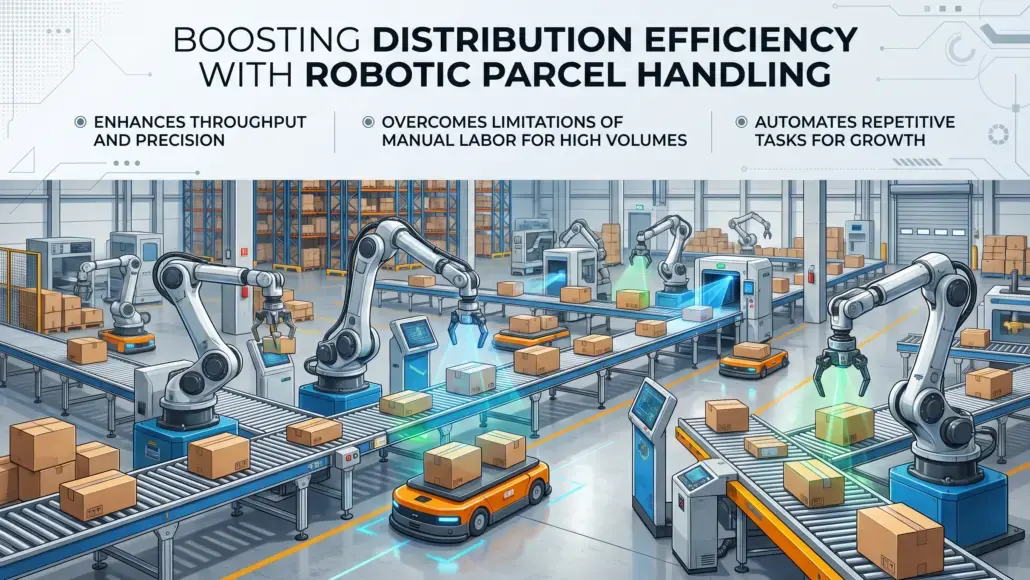

The integration of advanced robotics into the physical handling of goods has become a central pillar of the strategy to enhance throughput and precision in modern distribution hubs. As the volume of parcels continues to escalate globally, the traditional reliance on manual labor for repetitive tasks has proven to be a significant limitation to growth. Modern facilities are increasingly turning to robotic parcel handling to overcome these hurdles, utilizing machines that can operate with a degree of consistency and speed that far exceeds human capabilities. These systems are not merely static replacements for manual workers, but are sophisticated, intelligence led platforms capable of adapting to a wide variety of package shapes, sizes, and weights. The implementation of robotic solutions allows packaging centers to maintain a constant pace of operation, even during peak periods, while simultaneously reducing the error rates that lead to costly delivery delays. By focusing on the automation of high volume, repetitive tasks, companies can significantly improve their overall productivity and create a more resilient operational framework for the future of global logistics.
Articulated Arm Systems for Precision Picking and Placing
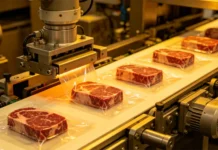
The use of articulated arm robots for picking and placing parcels is a significant advancement in robotic parcel handling technology. These machines, often equipped with advanced vision systems and sophisticated end of arm tooling, are capable of identifying and selecting individual items from a chaotic mix on a conveyor belt. The precision of these arms allows them to handle delicate items with care, while their speed ensures that the flow of goods is never interrupted. In a typical packaging workflow, these robots are used to sort parcels into specific bins or to place them onto outgoing conveyors with a high degree of accuracy. The ability of the software to calculate the optimal grip for each unique package ensures that even irregularly shaped items are handled securely, minimizing the risk of damage during the sorting process.
Additionally, the intelligence embedded within these robotic systems allows them to learn from their interactions with different parcel types. Over time, the system can optimize its movements to reduce cycle times and energy consumption. The integration of high resolution cameras and LiDAR sensors provides the robot with a detailed three dimensional view of its workspace, allowing it to operate safely and effectively in complex environments. This level of sensory awareness is essential for maintaining high throughput in facilities that process thousands of different SKUs every hour. The reduction in manual picking tasks also has a profound impact on worker safety, as it eliminates the need for staff to perform the repetitive reaching and lifting motions that are common causes of workplace injury. By automating these tasks, robotic parcel handling creates a more ergonomic and efficient work environment, allowing human employees to focus on higher level supervisory and maintenance roles.
Automated Palletization Strategies in High Density Centers
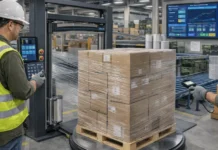
Palletization is a critical but labor intensive stage of the packaging process, and the introduction of robotic parcel handling has transformed this task into a high speed, automated operation. Robotic palletizers are designed to stack parcels onto pallets in a stable and efficient manner, utilizing complex algorithms to determine the best layout for every load. This ensures that the space on the pallet is maximized, reducing the number of shipments required and lowering overall transport costs. These robots can handle heavy loads with ease, working at a pace that would be impossible for manual laborers to sustain. The consistency of the stacking process also ensures that pallets are stable during transport, reducing the likelihood of items shifting or being damaged in transit.
The flexibility of modern robotic palletizers is a key advantage for facilities that handle a diverse range of product types. These systems can be programmed to follow specific stacking patterns for different clients or to accommodate various pallet sizes automatically. This adaptability is essential for maintaining productivity in multi client distribution hubs, where the requirements for every shipment can change from one hour to the next. The integration of the palletization robots with the facility’s warehouse management system ensures that every pallet is correctly labeled and tracked as it moves toward the dispatch area. This seamless flow of information is a hallmark of the data-driven packaging center, where every physical movement is mirrored by a digital record. The resulting increase in palletization speed and accuracy is a major contributor to the overall productivity gains seen in facilities that have embraced robotic technology.
Collaborative Robotics Enhancing Human Labor Output
Collaborative robots, or cobots, are a growing segment of robotic parcel handling that focuses on direct interaction between machines and human workers. Unlike traditional industrial robots that must be housed behind safety cages, cobots are designed with sensitive sensors and force limiting technology that allows them to work safely alongside people. In a packaging environment, cobots are often used to assist with tasks such as box assembly, label application, or the sorting of smaller items. This partnership allows for the best of both worlds: the precision and endurance of the robot combined with the problem solving abilities and flexibility of the human worker. The presence of cobots can significantly increase the output of a manual sorting station, as the robot takes over the most repetitive elements of the job, allowing the worker to maintain a high level of accuracy and speed.
The ease of programming cobots is another factor that makes them an attractive option for packaging companies. Many of these systems feature intuitive interfaces that allow workers to “teach” the robot new tasks by simply moving its arm through the desired sequence. This reduces the need for specialized programming knowledge and allows for the rapid deployment of robotic assistance in different parts of the facility as demand changes. The deployment of cobots is often seen as a gateway to broader automation, as it allows companies to experience the benefits of robotics with a lower initial investment and less operational disruption. The positive impact of these collaborative systems on worker morale is also noteworthy, as they reduce the physical strain of the job and provide employees with the opportunity to work with sophisticated technology. As the technology continues to mature, the role of collaborative systems in robotic parcel handling will only continue to expand, creating a more integrated and productive workforce.
Reducing Physical Strain and Injury Risks in Distribution
One of the most significant benefits of robotic parcel handling is the substantial reduction in the physical strain placed on human workers. The logistics and packaging industry has long been associated with high rates of musculoskeletal disorders due to the constant lifting, bending, and reaching required in manual sorting operations. By delegating these physically demanding tasks to robots, companies can create a much safer work environment and reduce the costs associated with workplace injuries and absenteeism. Robots do not suffer from fatigue or repetitive strain, allowing them to maintain the same high level of performance throughout a twenty four hour shift. This consistency is vital for maintaining the flow of goods in a high volume distribution network, where even a small decrease in human productivity can lead to significant backlogs.
The safety benefits of robotics also extend to the handling of hazardous or heavy items. Robotic systems can be equipped with specialized grippers and shielding to safely manage packages that might pose a risk to human health, such as heavy machinery parts or containers of industrial chemicals. This specialization allows facilities to handle a wider variety of goods without compromising the safety of their staff. The data collected by these systems also provides insights into the physical stresses placed on the machinery, allowing for predictive maintenance that ensures the equipment remains in safe operating condition. The focus on safety and ergonomics is a core component of the modern approach to packaging productivity, as a healthy and safe workforce is a more stable and productive one. The investment in robotic parcel handling is thus an investment in the long term well being of the company’s most valuable asset: its people.
Technical Specifications for Modern Robotic Integration
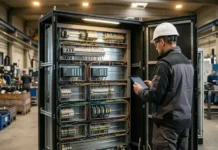
Successful integration of robotic parcel handling requires a deep understanding of the technical specifications and operational requirements of the machinery. This includes factors such as the robot’s reach, payload capacity, and degrees of freedom, which must be carefully matched to the specific tasks it will perform. The communication protocols used by the robots are also critical, as they must be able to share data effectively with the facility’s existing control systems and other robotic units. The use of standardized software platforms and open APIs is increasingly common, allowing for easier integration and more flexible system management. The physical environment of the packaging center must also be prepared for robotic deployment, including the installation of appropriate power supplies, safety sensors, and floor markings.
The ongoing maintenance and calibration of these systems are essential for ensuring their long term reliability. This involves regular inspections of mechanical components, software updates, and the periodic recalibration of vision systems and sensors. Many packaging companies are now utilizing specialized service providers to manage their robotic fleets, ensuring that they have access to the latest technical expertise and support. The evolution of robotic parcel handling is also being driven by advances in materials science, leading to lighter and more durable robotic components that can operate more efficiently. As the technology continues to advance, the boundaries of what is possible in robotic automation will continue to expand, leading to a new era of productivity and innovation in the packaging sector. The commitment to robotic integration is a clear signal that the industry is ready to embrace a more automated and intelligent future, providing the essential infrastructure for the global parcel distribution network. The strategic importance of robotic parcel handling cannot be overstated, as it provides a solution to the challenges of volume growth, labor scarcity, and operational complexity.