


























Key Takeaways
- RFID tags enable simultaneous scanning of multiple items without line-of-sight requirements, dramatically improving inventory processing speed compared to barcode systems
- Real-time wireless tracking eliminates blind spots in supply chains, enabling rapid identification of delays, misrouted shipments, and product location at any moment
- Pharmaceutical RFID integration prevents counterfeit drug distribution while automating medication inventory management with 96-bit encrypted tags
- Cold chain monitoring through temperature-sensitive RFID tags ensures perishable products maintain required conditions throughout distribution, reducing spoilage and waste
- Automated data capture reduces manual entry errors by 95%, accelerating recall processes and improving recall efficiency from days to hours
- RFID integration with cloud platforms enables cross-facility inventory visibility, supporting just-in-time procurement and optimized stock management
- Hospital adoption of RFID kit and tray management creates strong incentives for pharmaceutical manufacturers to implement tagging systems on all products
Supply chain visibility has historically represented one of manufacturing’s greatest operational challenges. Products moved through distribution networks with minimal visibility departing production facilities and reappearing at retail locations with substantial blind spots regarding location, condition, or handling throughout intermediate stages. This opacity creates cascading problems: inaccurate inventory data, delayed problem identification, inefficient recalls, and vulnerability to product diversion and counterfeiting. RFID smart labels fundamentally restructure this paradigm by providing real-time, wireless visibility into product location, condition, and supply chain status across entire distribution networks.
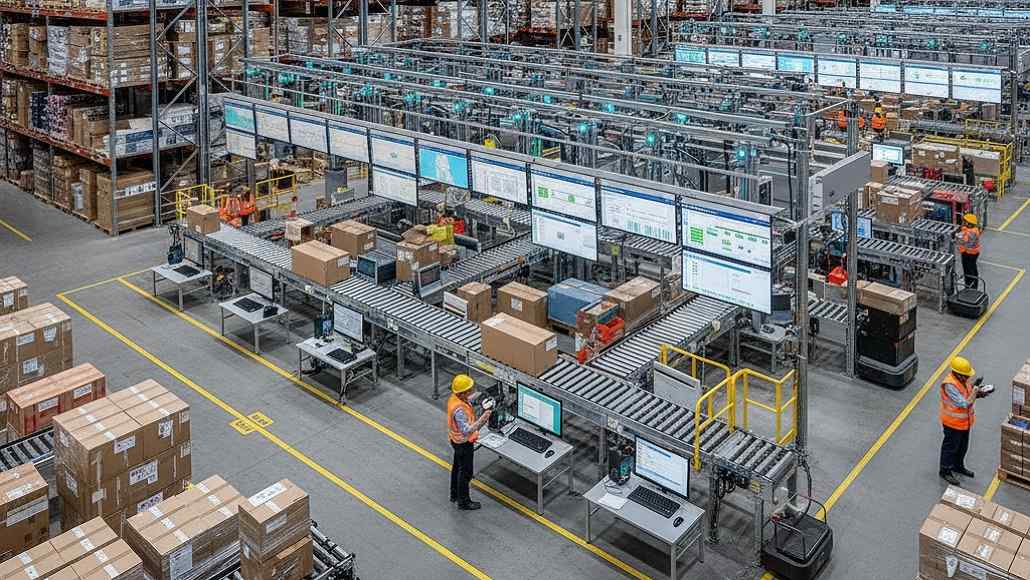
Radio Frequency Identification technology represents a dramatic evolution beyond barcode-dependent systems that have dominated logistics since the 1970s. Where barcodes require line-of-sight scanning and individual item handling, RFID tracking technology enables simultaneous scanning of multiple items wirelessly a single reader can identify hundreds of tagged items within range instantaneously. This architectural difference transforms operational workflows, eliminating scanning bottlenecks and enabling automated data capture integrated directly into facility systems without human intervention.
Fundamental RFID Architecture and Data Capture
RFID technology relies on radio waves to wirelessly transmit unique identification data from tags to readers. Contemporary systems employ standardized 96-bit tag formats encoding product information, lot numbers, expiration dates, and manufacturing details into encrypted data sets. The tags small adhesive label inlays, embeds within packaging, or integrated components contain minimal circuitry: a microchip storing encoded data and an antenna transmitting signals. This simplicity enables cost-effective mass production and integration into existing packaging workflows.
The distinction between passive and active RFID systems carries significant operational implications. Passive tags powered entirely by reader signal require no internal battery, function reliably for 10+ years, and cost substantially less than active alternatives. Active tags with internal batteries offer longer read ranges and enabling real-time transmission capabilities, proving advantageous for applications requiring continuous monitoring without regular scanning points. Modern supply chains increasingly employ hybrid approaches: passive tags for routine tracking with active tags deployed for high-value items, temperature-sensitive products, or applications requiring continuous condition monitoring.
Real-time product tracking through RFID networks provides unprecedented visibility into supply chain operations. Each scanning event whether at manufacturing, distribution center, transportation vehicle, or retail location creates timestamped records in cloud-based systems providing comprehensive visibility into product journey. Analytics platforms process these data streams, identifying anomalies including unexpected delays, unauthorized route deviations, temperature excursions, or security breaches warranting immediate investigation.
Inventory Management Transformation
Traditional inventory systems relying on periodic cycle counts, manual transaction recording, and statistical forecasting introduce substantial error rates and information latency. RFID inventory management transforms this paradigm through continuous real-time visibility eliminating most error sources. As products enter warehouses, RFID readers automatically capture receiving transactions without requiring manual scanning or data entry. Similarly, outbound shipments trigger automatic inventory transactions, maintaining perpetual inventory accuracy impossible through traditional counting methodologies.
The accuracy improvements prove dramatic compared to conventional systems. Traditional inventory systems typically maintain 65-75% accuracy for high-velocity items; RFID-enabled systems routinely achieve 95-98% accuracy. This accuracy improvement eliminates expensive inventory reconciliation procedures, reduces carrying costs through more precise procurement, and prevents stock-out situations where demand exceeds available inventory due to inaccurate records.
Automated procurement triggering represents another substantial inventory optimization capability. RFID systems monitoring material consumption continuously compare actual inventory levels against reorder thresholds, automatically generating purchase orders when quantities approach minimum levels. This continuous reordering eliminates manual procurement intervention, reduces procurement lead times, and enables just-in-time inventory strategies previously impossible without real-time visibility.
Pharmaceutical Applications and Counterfeit Prevention
The pharmaceutical industry represents RFID technology’s most commercially significant application driver, particularly for preventing dangerous counterfeit medications increasingly entering global supply chains. Counterfeit drugs represent a massive public health threat: the World Health Organization estimates that over 10% of medications in developing regions contain insufficient active ingredients or are entirely fraudulent. These counterfeits cause preventable deaths, antibiotic resistance development, and catastrophic harm to patient trust in healthcare systems.
Pharmaceutical tracking systems incorporating RFID technology attach serialized tags to individual medications or medication packages, enabling authentication verification at any distribution point. Cloud-based registries cross-reference tag identifiers against legitimate production records, immediately identifying unauthorized products attempting entry into legitimate supply chains. Hospital systems increasingly require RFID tagging on high-value medications including injectables, biologics, and specialty drugs, creating powerful incentives for pharmaceutical manufacturers to implement serialization capabilities across product portfolios.
Automated recall management through RFID represents another critical pharmaceutical advantage. Traditional recalls required manual identification of affected production batches, laborious communication to distributors, retailer recalls, and hospital-by-hospital verification. This process typically consumed 7-10 days, allowing potentially dangerous products to remain in circulation. RFID-enabled recall systems automatically identify all units produced within affected date ranges, initiating automated notifications to distribution partners and enabling rapid product removal within hours rather than days.
Cold Chain Monitoring and Perishable Product Protection
Temperature-sensitive products including biologics, vaccines, fresh produce, and prepared foods require stringent environmental control throughout distribution. Conventional cold chain management relies on periodic temperature recording at predefined locations with substantial blind spots regarding actual product exposure between recording points. Temperature excursions whether brief or prolonged may not be immediately apparent, allowing potentially compromised products to reach consumers.
RFID-enabled cold chain monitoring systems incorporate temperature sensors within tags, recording continuous temperature data throughout distribution journeys. These sensor-equipped tags detect temperature excursions exceeding defined acceptable ranges, triggering real-time alerts enabling immediate intervention. Data analysis identifies which products experienced compromised conditions, enabling rapid quarantine and testing rather than allowing questionable products to continue distribution.
For perishable applications, this continuous monitoring proves particularly valuable. Vaccines, biologics, and specialty medications exposed to temperatures outside specifications may remain physically intact while losing efficacy an invisible but critical compromise. Continuous RFID temperature monitoring combined with automated alert systems ensures only properly maintained products reach end-users, protecting patient safety while reducing waste from products compromised by undetected temperature excursions.
Retail Supply Chain Integration and Product Authentication
Retail environments increasingly employ RFID systems for inventory management and shelf monitoring. Supply chain transparency extends to final retail shelf placement, enabling retailers to track inventory accuracy, identify shrink problems, and optimize stock rotation. Consumer-facing RFID tag scanning enables instant product authentication verification consumers or healthcare providers can verify medication legitimacy by scanning tags with smartphones, accessing verification portals confirming product authenticity against manufacturing records.
This consumer-level authentication proves particularly valuable for combating pharmacy counterfeiting where fake medications are placed in prescription packaging, appearing legitimate to patients. Point-of-use scanning provides definitive authentication impossible with visual inspection alone, protecting consumers from unknowingly consuming dangerous counterfeits.
Implementation Challenges and Standardization
Despite compelling advantages, RFID implementation encounters substantial technical and operational hurdles requiring careful planning. Pharmaceutical applications mandate ARC (Auto-ID Rapid Cycle Council) certification confirming tag performance under challenging pharmaceutical conditions including exposure to moisture, temperature variation, and packaging material interference. Selection of certified inlay designs specifically engineered for pharmaceutical applications ensures reliable performance across diverse medications and packaging configurations.
Integration with existing packaging lines represents another critical implementation consideration. Modern solutions achieve seamless integration through “drop-in” implementations minimizing operational disruption during deployment. Two-step workflows replace complex multi-step legacy processes: scan validated medication, apply RFID tag to individual unit a dramatic simplification reducing operator burden and error potential compared to historical 12-step procedures.
Data security and cybersecurity considerations require substantial attention in RFID implementations. Encrypted 96-bit tags prevent unauthorized information capture, while cloud platform security protocols protect centralized registries containing sensitive medication and patient data. Regular security audits and firmware updates maintain protection against evolving threats targeting industrial supply chains.
Economic Justification and Financial Performance
RFID implementation costs primarily driven by tag expenses ranging 0.50 per unit depending on sophistication require careful financial analysis. For high-value pharmaceutical products, serialization costs typically represent <2% of product value, easily justified by counterfeit prevention benefits. However, for lower-value products, tag costs may exceed acceptable price points, limiting practical applications.
Financial benefits accrue through multiple mechanisms. Reduced inventory waste from expired or compromised products often generates immediate payback within 6-12 months. Labor reduction through automated processes, improved recall efficiency preventing costly product withdrawals, and counterfeiting prevention protecting brand reputation collectively create compelling financial cases for adoption across pharmaceutical and specialty products.
Supply Chain Digitalization and Future Evolution
RFID represents a foundational technology enabling broader digital supply chain transformation. Integration with blockchain technology creates immutable records of product journey providing cryptographic evidence of product authenticity and handling. IoT integration combines RFID identification with environmental sensor data, structural integrity monitoring, and real-time visibility into multi-dimensional supply chain conditions.
Artificial intelligence systems analyzing historical RFID data identify patterns predicting supply chain disruptions, enabling proactive interventions preventing problems before materialization. Machine learning algorithms optimized based on actual product handling patterns continuously refine forecasting accuracy and supply chain efficiency.
Adoption Trajectory and Industry Standards
Hospital adoption of RFID-enabled medication management systems has driven substantial manufacturer implementation, with leading pharmaceutical companies now tagging entire medication portfolios. Regulatory bodies increasingly recognize RFID benefits, establishing standards and guidelines encouraging wider adoption. The trajectory points toward RFID becoming industry standard rather than competitive differentiator, particularly for pharmaceuticals, high-value products, and perishable goods.
Conclusion
RFID smart labels represent far more than incremental technology upgrade they fundamentally restructure supply chain visibility, inventory accuracy, and product authentication capabilities. The technology’s proven performance in pharmaceutical applications, combined with declining tag costs and improved integration methodologies, accelerates adoption across industries where visibility and authenticity prove critical. As regulatory requirements tighten and consumer expectations for product safety intensify, RFID systems will transition from competitive advantage to industry standard, establishing real-time supply chain transparency as essential operational capability rather than optional feature.