






















The integration of robotic systems in label handling represents a transformative advancement in packaging automation that addresses the growing demands for precision, speed, and flexibility in modern manufacturing environments. These sophisticated robotic systems in label handling deliver unprecedented levels of accuracy while reducing operational costs and enabling production capabilities that exceed traditional manual or semi-automated approaches.
Evolution of Robotic Label Handling Technologies
The development of robotic systems specifically designed for label handling applications has evolved significantly from basic pick-and-place operations to sophisticated systems that can manage complex labeling sequences across diverse product configurations. Modern robotic systems incorporate advanced sensors, artificial intelligence, and adaptive control mechanisms that enable real-time adjustment to varying product dimensions, surface characteristics, and labeling requirements.
Contemporary robotic label handling systems demonstrate remarkable versatility in managing different label types, sizes, and application methods without requiring extensive reprogramming or mechanical adjustments. These systems utilize machine vision technologies to identify product characteristics and determine optimal labeling approaches dynamically, ensuring consistent placement accuracy regardless of product variations or environmental conditions.
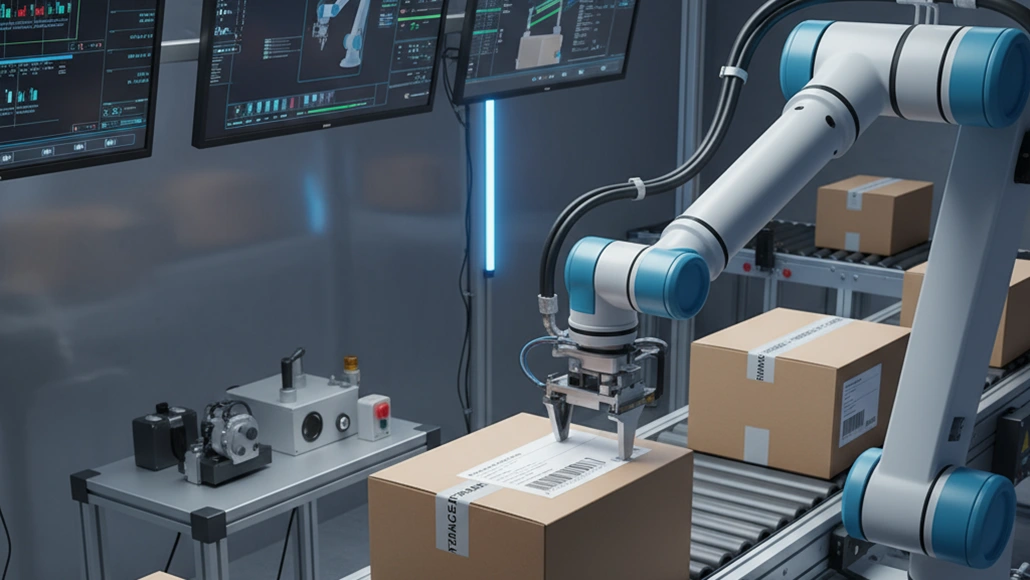
The integration of collaborative robotics technologies has created opportunities for human-robot cooperation in labeling applications where the flexibility of human judgment combines with the precision and endurance of robotic systems. These collaborative approaches optimize productivity while maintaining the adaptability required for complex or specialized labeling applications.
Advanced end-effector technologies enable robotic systems to handle delicate labels and apply them to challenging surfaces with controlled pressure and positioning accuracy that prevents damage while ensuring adequate adhesion. These specialized gripping and application tools adapt automatically to different label materials and surface conditions, providing consistent performance across diverse applications.
Precision Control and Quality Assurance Systems
Robotic label handling systems incorporate sophisticated control mechanisms that deliver positioning accuracy measured in fractions of millimeters while maintaining consistent performance at high application speeds. Advanced servo control systems and feedback mechanisms continuously monitor and adjust robot positioning to compensate for variations in product placement, conveyor speed, or environmental conditions.
Vision-guided robotics systems utilize high-resolution cameras and advanced image processing algorithms to identify optimal label placement locations and verify application accuracy in real-time. These systems can detect product defects, surface irregularities, or contamination that might affect label adhesion while automatically adjusting application parameters to optimize results.
Force control capabilities enable robots to apply appropriate pressure during label application while preventing damage to delicate products or labels. These systems continuously monitor application force and adjust pressure based on substrate characteristics, label material properties, and adhesive requirements to ensure optimal bonding without product damage.
Integrated quality control systems provide immediate feedback on label placement accuracy, adhesion quality, and overall application success, enabling real-time correction of application parameters and automatic rejection of substandard products. These quality assurance capabilities reduce waste while maintaining consistent product quality throughout production runs.
Flexibility and Adaptability in Production Environments
Modern robotic label handling systems demonstrate exceptional adaptability to varying product configurations, production schedules, and labeling requirements without extensive setup procedures or programming modifications. Quick-change capabilities enable rapid reconfiguration for different product lines while maintaining production efficiency and minimizing downtime.
Multi-axis robotic systems provide access to complex product geometries and enable labeling of surfaces that would be difficult or impossible to reach with conventional labeling equipment. These systems can apply labels to curved surfaces, recessed areas, or multiple surfaces simultaneously while maintaining precise registration and consistent quality.
Automated tool changing capabilities allow single robotic systems to handle multiple labeling operations including different label sizes, application methods, or specialty processes such as sleeve application or wraparound labeling. These capabilities maximize equipment utilization while reducing the space and capital requirements associated with dedicated labeling systems.
Intelligent programming interfaces enable rapid setup and modification of labeling programs through intuitive user interfaces that require minimal technical expertise. These systems often incorporate teach-pendant programming methods that allow operators to demonstrate desired labeling procedures rather than requiring complex programming knowledge.
Integration with Production Line Systems
Seamless integration with existing production line equipment represents a critical capability that enables robotic label handling systems to optimize overall line efficiency while maintaining synchronization with upstream and downstream processes. Advanced communication protocols and control system integration ensure coordinated operation with conveyors, printers, packaging equipment, and quality control systems.
Real-time data exchange with enterprise resource planning systems provides visibility into production requirements, inventory levels, and quality metrics that enable optimized labeling operations and proactive management of production schedules. These integrations support demand-driven production strategies and enable rapid response to changing requirements.
Automated material handling capabilities ensure consistent supply of labels, ribbons, and other consumables to robotic systems while monitoring inventory levels and alerting operators to replenishment requirements. These capabilities minimize production interruptions while optimizing inventory carrying costs and storage requirements.
Predictive maintenance integration monitors robot performance parameters and consumable usage patterns to predict maintenance requirements and schedule interventions during planned downtime periods. These capabilities maximize equipment availability while minimizing unexpected failures and associated production disruptions.
Advanced Applications and Specialized Capabilities
Complex labeling applications requiring multiple labels, sequential application, or specialized positioning benefit significantly from robotic systems that can coordinate sophisticated labeling sequences with precision timing and placement accuracy. These applications may include pharmaceutical products requiring multiple regulatory labels, food products with promotional elements, or industrial products with safety and identification requirements.
Temperature-controlled labeling applications utilize specialized robotic systems designed to operate in refrigerated or heated environments while maintaining positioning accuracy and equipment reliability. These systems incorporate environmental protection features and specialized materials that ensure consistent performance across varying temperature conditions.
High-speed applications requiring rapid label application rates benefit from robotic systems optimized for speed while maintaining placement accuracy and quality standards. These systems incorporate lightweight components, optimized motion profiles, and advanced control algorithms that maximize throughput while minimizing mechanical stress and wear.
Specialty label materials including metallic films, transparent substrates, and textured surfaces require specialized handling techniques and application methods that robotic systems can accommodate through adaptive programming and specialized end-effector designs. These capabilities enable robotic systems to handle challenging materials that might cause difficulties for conventional labeling equipment.
Performance Optimization and Maintenance Strategies
Continuous performance monitoring systems track key performance indicators including application speed, positioning accuracy, quality metrics, and equipment availability to identify optimization opportunities and maintain peak performance levels. These monitoring systems provide detailed analytics that support data-driven decision making and continuous improvement initiatives.
Preventive maintenance programs specifically designed for robotic label handling systems address the unique requirements of precision positioning systems, vision equipment, and specialized end-effectors. These programs incorporate condition monitoring, scheduled component replacement, and performance validation procedures that maximize equipment reliability while minimizing maintenance costs.
Operator training programs ensure effective utilization of robotic systems while developing internal capabilities for routine maintenance, troubleshooting, and performance optimization. Comprehensive training addresses both technical operation and maintenance procedures while emphasizing safety considerations and best practices.
Performance benchmarking against industry standards and continuous improvement initiatives drive ongoing optimization of robotic label handling operations while identifying opportunities for enhanced efficiency, quality improvement, and cost reduction.
Economic Benefits and Return on Investment Considerations
Labor cost reduction represents a significant economic benefit of robotic label handling systems, particularly in applications requiring consistent performance across extended operating periods. These systems eliminate labor-intensive manual labeling while reducing the variability and quality issues associated with human fatigue and distraction.
Improved product quality and reduced waste through precise label placement and consistent application quality generate cost savings that contribute to attractive return on investment calculations. The elimination of mislabeled products and associated rework costs provides quantifiable benefits that support capital investment justification.
Increased production capacity and flexibility enable organizations to respond more effectively to market demands while optimizing equipment utilization and reducing per-unit labeling costs. These capabilities often enable organizations to accommodate growth without proportional increases in labor requirements or facility space.
Enhanced workplace safety through reduction of repetitive motion injuries and elimination of worker exposure to hazardous environments provides both economic benefits through reduced workers’ compensation costs and intangible benefits through improved employee satisfaction and retention.
Future Developments and Emerging Technologies
Artificial intelligence integration will enable robotic systems to learn from experience and automatically optimize performance based on historical data, environmental conditions, and quality feedback. These adaptive capabilities will reduce setup requirements while continuously improving performance throughout system operation.
Advanced sensor technologies including force-torque sensors, thermal imaging, and chemical detection capabilities will enable more sophisticated quality control and application optimization while expanding the range of applications suitable for robotic handling.
Collaborative intelligence systems that combine human decision-making capabilities with robotic precision and endurance will create new opportunities for complex applications requiring adaptability and judgment while maintaining high productivity and quality standards.
The continued evolution of robotic systems in label handling applications positions these technologies as essential capabilities for organizations seeking to maintain competitive advantages in increasingly demanding manufacturing environments where precision, flexibility, and efficiency are critical success factors.