























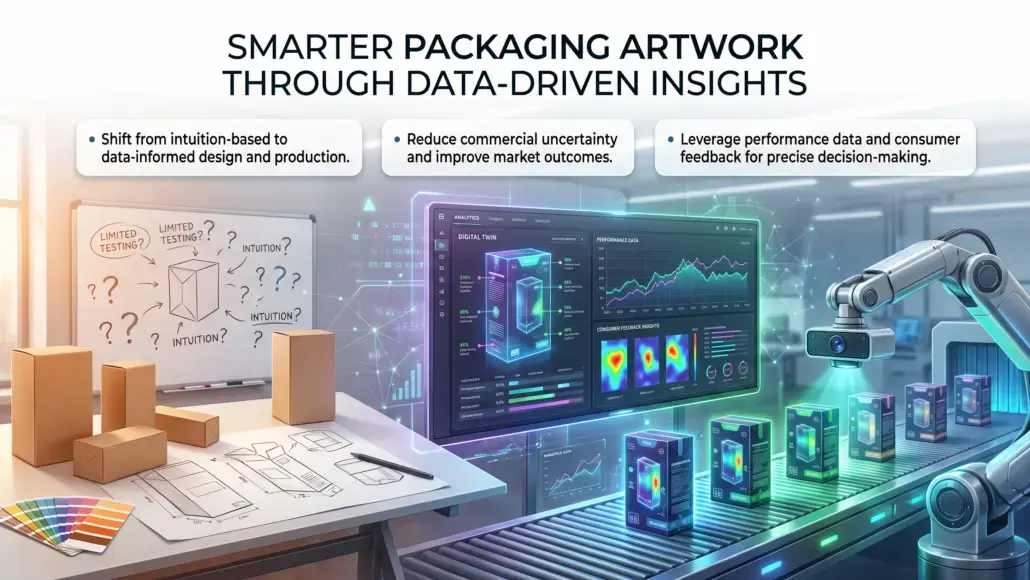

The integration of advanced analytics and data driven insights into the packaging workflow is transforming the way brand owners approach design and production. Traditionally, decisions regarding artwork and structural choices were often based on intuition or limited market testing, leading to a degree of uncertainty in the final commercial outcome. By leveraging packaging intelligence, organizations can now access a wealth of performance data and consumer feedback to inform their decision making process, ensuring that every design choice is backed by objective evidence. This transition toward an intelligence led approach allows brands to optimize their packaging for both aesthetic appeal and operational efficiency, reducing the risk of costly design failures and improving the overall impact of the product on the shelf.
The core of digital packaging intelligence lies in the ability to collect and analyze data from across the entire lifecycle of the package, from the initial creative concept to the point of sale and beyond. This comprehensive view of packaging performance provides brand managers with deep insights into how different design elements, such as color, typography, and structural form, influence consumer behavior and brand perception. The use of predictive metrics allows for the simulation of various design scenarios, enabling teams to evaluate the potential impact of a design change before it is implemented. This proactive approach to design optimization ensures that the final artwork is not only visually compelling but also strategically aligned with the brand’s commercial objectives and market demands.
Data Driven Design Validation Processes
Validating a packaging design before it reaches the consumer is a critical step in the artwork development cycle. Historically, this process involved manual reviews and limited focus groups, which were often slow and subjective. With the introduction of these analytical tools, brand owners can now use a variety of digital tools to validate their designs more objectively and efficiently. This includes the use of eye tracking software and heat maps to analyze how consumers interact with the package, as well as digital simulations that predict how the design will look under different lighting conditions or on different retail shelves. These data driven validation processes provide a more accurate assessment of a design’s potential performance, allowing for more confident decision making at every stage of the creative process.
The ability to compare different design variants using objective performance data is particularly valuable for organizations that are looking to refresh their brand identity or launch new products. By testing multiple options in a virtual environment, brands can identify the most effective design elements and refine their artwork to maximize impact. This iterative approach to design validation reduces the reliance on subjective opinions and ensures that the final output is optimized for the target audience. Additionally, the use of historical performance data allows brands to learn from past successes and failures, building a knowledge base that informs future design choices. This systematic approach to design validation is a hallmark of a modern, data centric packaging operation.
Applying Predictive Metrics to Structural Choices
The structural design of a package is just as important as its graphic elements, influencing everything from manufacturing costs to consumer convenience and sustainability. Modern analytics enable brand owners to apply predictive metrics to their structural choices, evaluating how different materials and formats will perform in the real world. This includes assessing the durability of the package during transit, its ease of use for the consumer, and its environmental impact throughout its lifecycle. By using data to inform structural decisions, brands can ensure that their packaging is both functional and sustainable, meeting the high expectations of modern consumers and regulatory bodies.
Predictive analytics also play a role in optimizing the cost of packaging production. By simulating the manufacturing process, brands can identify opportunities to reduce material waste and improve production speed without compromising on quality. This level of technical insight allows for more informed negotiations with conversion partners and ensures that the final package is as cost effective as possible. The ability to model the impact of structural changes on the overall supply chain further enhances the strategic value of packaging intelligence, providing a holistic view of the operational and financial implications of every design choice. This integration of structural and commercial data is essential for maintaining a competitive edge in a fast moving global market.
Enhancing Commercial Outcomes Through Design Feedback
The ultimate goal of any packaging design is to drive commercial success, whether through increased sales, improved brand loyalty, or better shelf presence. Advanced data systems provide the tools to measure and enhance these outcomes by collecting and analyzing consumer feedback and sales data in real time. This feedback loop allows brands to understand how their packaging is performing in the retail environment and identify opportunities for improvement. For instance, if a particular package is failing to attract attention on the shelf, the data can reveal whether the issue is related to color, typography, or structural form, enabling the brand to make targeted adjustments to the artwork.
Enhancing commercial outcomes also involves the use of intelligence to identify emerging market trends and consumer preferences. By analyzing social media sentiment and online shopping data, brands can stay ahead of the curve and adapt their packaging to meet changing demands. This agility is particularly important in sectors such as personal care and electronics, where design trends can shift rapidly. The ability to integrate consumer insights directly into the artwork decision making process ensures that the brand remains relevant and appealing to its target audience. This consumer centric approach to packaging design, supported by reliable data analytics, is a key driver of long term growth and success in the modern retail environment.
Risk Assessment in High Volume Printing Environments
Producing packaging at scale involves a significant degree of risk, particularly when dealing with complex graphics and high volume printing processes. A small error in the artwork or a deviation in the printing conditions can lead to thousands of defective packages and substantial financial losses. Digital monitoring helps to mitigate these risks by providing real time monitoring and analysis of the production process. This includes the use of digital sensors and automated inspection systems that detect deviations in color, registration, and print quality as they occur. By identifying issues early in the production run, brands and converters can take immediate corrective action, reducing the amount of waste and ensuring that the final output meets the highest standards of quality.
Risk assessment also extends to the management of global production networks, where maintaining consistency across different locations is a major challenge. By using intelligence to monitor the performance of each converter and production line, brands can identify potential vulnerabilities and implement strategies to ensure a consistent output. This includes the use of standardized quality metrics and automated reporting that provide a transparent view of the global production footprint. The ability to assess and manage risk through data provides brand owners with the peace of mind they need to execute large scale packaging projects with confidence. This rigorous approach to quality management is essential for protecting the brand’s reputation and ensuring the reliability of the supply chain.
Operational Efficiency Gains from Advanced Analytics
Beyond the immediate benefits to design and quality, packaging intelligence also drives significant gains in operational efficiency by streamlining the entire packaging workflow. Advanced analytics can identify bottlenecks in the approval process, optimize the allocation of resources, and predict the time and cost associated with different projects. This level of operational visibility allows brand managers to make more informed decisions about how to manage their packaging portfolios and prioritize their investments. The automation of routine tasks, such as data entry and status reporting, further enhances efficiency by reducing the administrative burden on creative and production teams.
The integration of advanced analytics with other enterprise systems, such as supply chain management and customer relationship management, provides a more comprehensive view of the entire business, enabling better alignment between packaging and broader strategic goals. For instance, by linking packaging data with sales forecasts, brands can optimize their production schedules to ensure that they have the right packaging at the right time to meet market demand. This strategic alignment, supported by the power of advanced data, is a key enabler of business agility and growth. As the industry continues to embrace digital transformation, the ability to utilize data for operational excellence will become a critical differentiator for organizations that seek to lead in the global packaging space. The ongoing investment in these technologies ensures that the packaging workflow is not just a cost center but a source of strategic value and innovation. Maintaining this commitment to intelligence driven operations allows brands to deliver superior results in a complex and ever changing market environment.
Ultimately, the application of data driven insights to the packaging workflow represents a major step forward in the digital transformation of the industry. By improving the speed and accuracy of artwork decision making, organizations can reduce risk, enhance quality, and drive significant commercial success. The focus on design validation, predictive metrics, and real time feedback provides a framework for continuous improvement that ensures every design choice is optimized for performance. As the global packaging sector continues to evolve, the ability to manage and utilize intelligence effectively will remain a key differentiator for brands that seek to excel in a crowded and competitive market. This commitment to data driven excellence is the hallmark of a successful and forward thinking packaging operation, ensuring that the brand’s vision is accurately and effectively translated into every package that reaches the consumer.